REVIEW · COLOMBO
Colombo Morning Food Tour by Tuk Tuk
Book on Viator →Operated by Capital Tour By Tuk Tuk · Bookable on Viator
A great breakfast plan should move you through real neighborhoods. This Colombo morning food tour mixes a tuk-tuk ride with a local guide’s taste for side-street eats, so you’re not stuck with the same menu as everyone else. I love how the food focuses on Sri Lanka classics like string hoppers and milk rice, with sambal doing the flavor work.
I also like the pacing: you’re on the go, but it doesn’t feel rushed, and reviews describe being picked up on time and not feeling hurried before eating. One thing to consider is that this tour is weather-dependent, and the food is roadside-style with plenty of sambal, so it may be a challenge if you hate spice or prefer a slower, sit-down meal.
In This Review
- Key Things I’d Watch For Before You Go
- Tuk-Tuk Morning Food in Colombo: Why This Works
- The $50 Price: What You’re Really Paying For
- Pickup and the Flow of the Tour: Getting Started Without Hassle
- String Hoppers and Milk Rice: The Sambal Math
- Finding Real Food Stops: What the Local Guide Brings
- City Context Along the Way: Temples, Town Spaces, and Market Energy
- Tuk-Tuk Comfort and Safety: The Practical Reality
- Morning Timing: Why the First Hours Can Be Better
- Who This Tour Is Best For (and Who Might Skip)
- Booking Tips That Actually Help
- Should You Book the Colombo Morning Food Tour by Tuk Tuk?
- FAQ
- Does this tour offer pickup?
- How long is the Colombo Morning Food Tour?
- Is this a private tour?
- What does the tour cost?
- What kind of ticket do I get?
- Will I get confirmation after booking?
- Is the tour near public transportation?
- Does the tour run in any weather?
- Where is this tour located?
- FAQ
- How spicy is the food?
- Who operates the tour?
Key Things I’d Watch For Before You Go
- Private tuk-tuk for your group: you’re not sharing seats with strangers, and that makes conversation and timing easier.
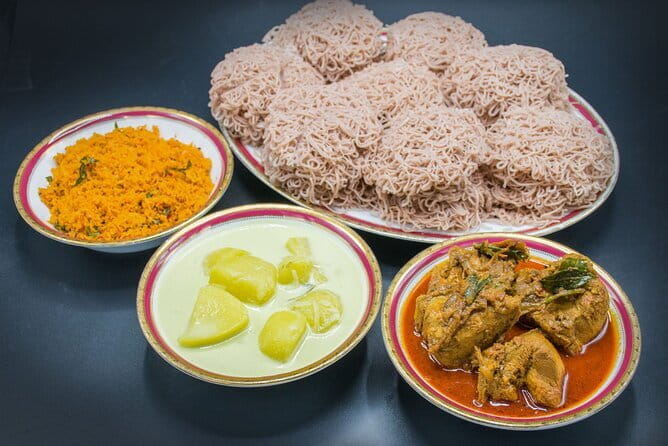
- Classic tastes in a smart order: string hoppers and milk rice come with sambal, so you can build your flavor map fast.
- Morning timing matters: one reviewer noted Sunday streets and the market felt less crowded, making the walk-around more pleasant.
- Clean, well-maintained ride and a safety-first feel: tuk-tuks are reported as clean and comfortable.
- Good-weather requirement: plan to be flexible if weather forces changes or a refund.
- Spice is part of the deal: expect sambal on the side, and ask how hot it is if you’re cautious.
Tuk-Tuk Morning Food in Colombo: Why This Works
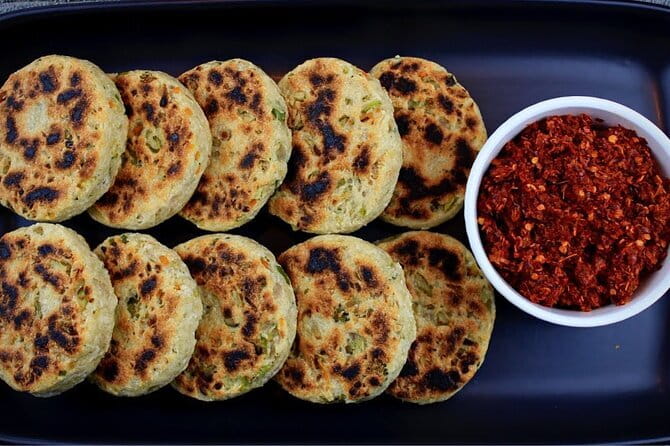
Colombo is one of those cities where food is easier than directions. You can point at a street stall, nod at what looks good, and still end up missing the best stuff. That’s where a tuk-tuk food run helps. The vehicle gets you past the gridlock and into the exact lanes where vendors set up and flavors start to move.
What makes this tour a good value is that you’re paying for three things at once: a local guide’s choices, transport that saves time, and a breakfast-to-early-lunch food route that’s built around Sri Lanka staples. At about 2 hours 30 minutes, it’s long enough to sample more than one stop, but short enough that you don’t lose the day.
You can also read our reviews of more tours and experiences in Colombo.

The $50 Price: What You’re Really Paying For
Fifty bucks isn’t cheap, but it also isn’t priced like a fancy tasting menu. You’re mostly paying for access and decision-making: a local expert choosing where to stop and when, plus the convenience of a tuk-tuk to move you between neighborhoods.
Private tours also tend to cost more than group tours, and that’s true here. The upside is you get your own schedule with only your group participating. If you’re traveling with kids, friends, or anyone who prefers not to wait for other people, that privacy can be worth real money.
One practical tip: treat this as a food tour first, sightseeing second. You’ll get city context, but the goal is eating. If you want museum stops and long viewpoints, you might be better served by a full city tour. If you want food that feels like local life, this hits the mark.
Pickup and the Flow of the Tour: Getting Started Without Hassle
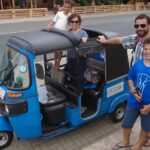
Pickup is offered, and reviews back up that it can be on time. One person described being picked up at their hotel in Negombo on time by T. Kavithan, with no rushing as they were finishing breakfast. That’s a small detail, but it matters. A food tour that starts after you’re already stressed about timing tends to feel chaotic fast.
Another reviewer specifically praised safety and comfort, mentioning a clean, well-maintained tuk-tuk that made them feel secure throughout the journey. That’s not about luxury. It’s about confidence. When you feel good in transit, you enjoy the stops more.
Your ticket is mobile, and you get confirmation at the time of booking. That’s handy if you’re juggling train times, beach time, or a tight Colombo schedule. It also means you don’t need to hunt for paperwork at the start.
String Hoppers and Milk Rice: The Sambal Math
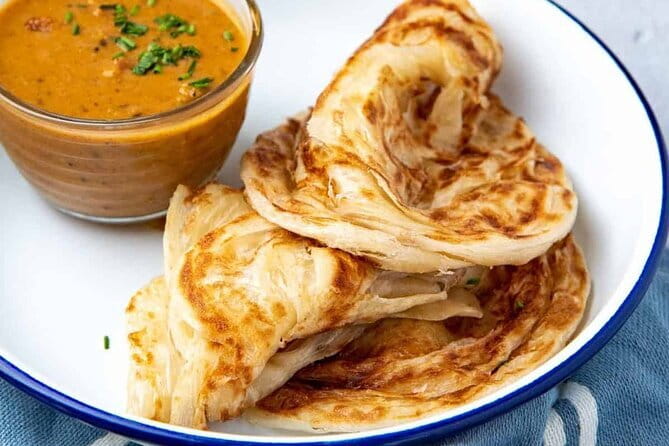
The center of this tour is Sri Lanka roadside comfort food. The big two you’re set up for are string hoppers and milk rice, both commonly paired with spicy sambal.
String hoppers are easy to underestimate if you’re used to Western breakfast staples. They look delicate, but they’re filling. When you add sambal, you get a fast flavor contrast: soft base, bold chili depth, and often a tang that keeps you wanting another bite.
Milk rice is a different mood. It’s creamy, sweet-leaning, and comfortable. Sambal turns that comfort into something more complex. If you’ve ever had fruit with chili on the side, you’ll understand the idea: sweet and heat don’t cancel out, they balance.
Here’s the practical part. If you’re sensitive to spice, you’ll want to manage sambal. Ask what’s mild and what’s hot, and don’t assume every sambal is the same. Some reviews mention hoppers with Maldive katta sambal in other tuk-tuk city food contexts, which hints at how varied sambal can be. Sri Lankan flavors love customization.
Also, eat slowly. A lot of street food is served fresh, and it’s better to savor than inhale. You’ll learn more from the guide when you’re not rushing.
Finding Real Food Stops: What the Local Guide Brings
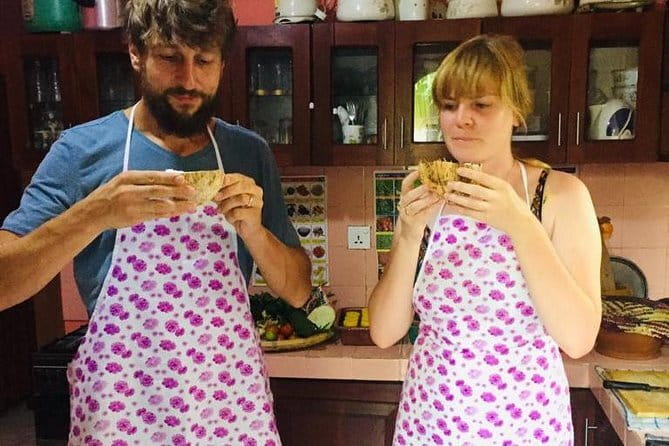
A food tour lives or dies based on choices. This one is built around a local guide’s insider knowledge—where to go, what to order, and how to read the scene.
You’re not just hunting for food yourself. You’re letting the guide do the pattern recognition. That’s especially helpful in markets and along busy roads, where a vendor can look busy without always being the best place for your exact taste.
One reviewer described the enjoyment of markets and streets feeling easier to walk around on a Sunday, and credited the right people for making Colombo feel like more than a commute. That’s the real value of a good guide: they help you understand what you’re seeing while you eat.
The tour is also described as off-the-beaten-path in feel, which usually means fewer tourist traps and more everyday stalls. You may still see familiar ingredients—rice, chili, coconut—but you’re far more likely to see the versions locals actually rely on.
City Context Along the Way: Temples, Town Spaces, and Market Energy
Food tours shouldn’t feel like a moving buffet line. They’re better when you understand the setting. Colombo’s food culture is tied to city life: temples, markets, and public spaces where people grab meals between errands.
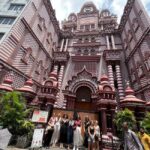
In tuk-tuk city tour reviews associated with this operator, a Hindu temple stop was mentioned, along with a Town Hall area and market visits. I can’t promise the exact same landmarks on every run, but it’s a clear sign that the route style includes meaningful city moments, not just driving past restaurants.
Why this matters: when you see religious sites and public spaces, food stories make more sense. Street food in Sri Lanka isn’t just a snack. It’s part of how daily life moves. If your guide explains what a dish means, or how roadside meals fit into local routines, the food becomes easier to remember.
So even though this is a morning food focus, you’ll likely get small doses of Colombo geography that help you make sense of the city after the tour too.
Tuk-Tuk Comfort and Safety: The Practical Reality
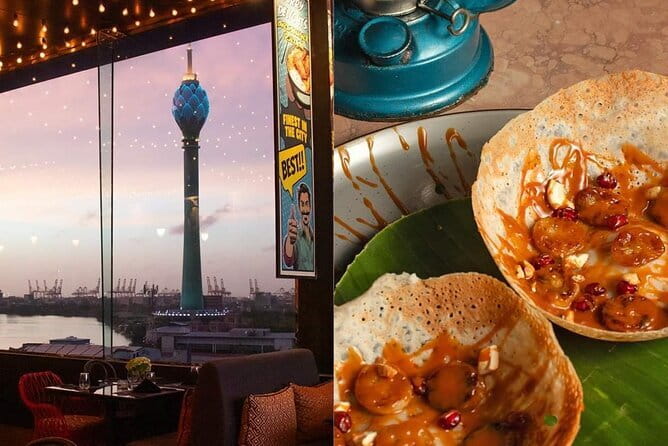
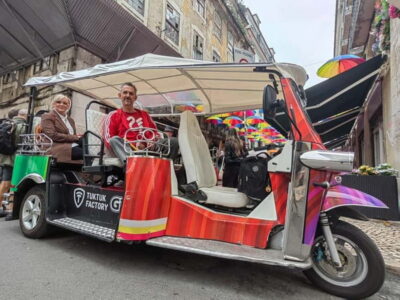
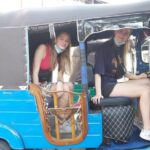
Tuk-tuks can sound intimidating if you’ve never ridden in one. The comfort piece is crucial, and reviews here are positive. One person specifically mentioned the vehicle was clean and well-maintained, and that they felt safe and comfortable during the journey.
Private tuk-tuk tours also help. When you’re not squeezed in with strangers, you can sit back, watch, and enjoy the ride without feeling like you’re performing social patience for two hours.
One more practical benefit: a tuk-tuk can be a better choice for short hops than a larger vehicle in city traffic. You feel the route more like a glide between neighborhoods than a long transfer.
Morning Timing: Why the First Hours Can Be Better
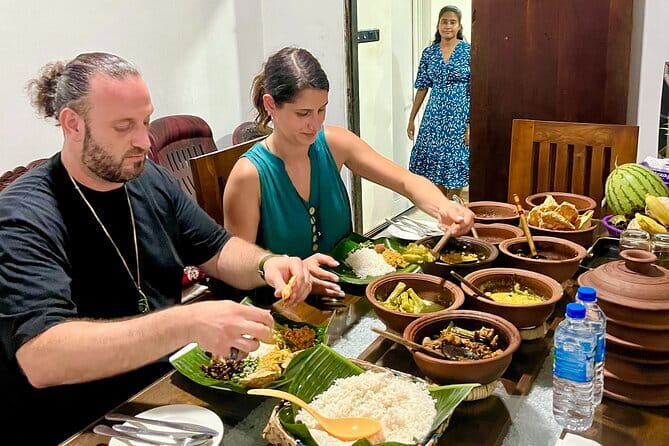
This is a morning tour, and that’s a clever way to start your Colombo day. Markets and food stalls often run on a rhythm, and earlier hours can mean fresher choices and easier movement.
A reviewer noted that on a Sunday the market and streets were less busy than usual, making it more enjoyable to walk around. That matters because food tours often include walking between stops. If you show up when everything is at peak chaos, you end up counting your steps instead of tasting your meals.
Also, a morning food tour sets you up for the rest of the day. You’re full enough to skip the first tourist-bait lunch. Then you can explore markets, viewpoints, or museums without feeling hungry every hour.
Who This Tour Is Best For (and Who Might Skip)
This tour fits you if:
- you want Sri Lankan street food without guessing where to go
- you like learning dish context while you eat
- you prefer private experiences over group logistics
- you’re comfortable with sambal and bold flavors
It may not be the best match if:
- you want a quiet, sit-down restaurant crawl
- you hate spice and don’t want to negotiate heat levels
- you only want major landmarks and long guided history stops
It’s a great option for couples, small families, and anyone who wants Colombo through food rather than through an itinerary sheet.
Booking Tips That Actually Help
You’ll receive confirmation at booking time, and the ticket is mobile. That’s one less thing to manage on arrival day.
Because the experience requires good weather, keep your mindset flexible if weather changes plans. If the tour is canceled due to poor weather, you’ll be offered a different date or a full refund. That’s about risk control, and it’s worth paying attention to before you schedule other activities tightly.
If you like clear communication, the operator has been described as using WhatsApp for booking in other contexts. That can be comforting if you’re coordinating pickup and timing across multiple days in Sri Lanka.
Should You Book the Colombo Morning Food Tour by Tuk Tuk?
I’d book it if you want Colombo the practical way: with a guide, on a tuk-tuk, and fed by real local favorites. The strongest reasons are the focus on Sri Lankan classics like string hoppers and milk rice with sambal, plus the private, comfort-minded tuk-tuk experience that reviews describe as clean and safe.
Skip it if your idea of a tour is mostly monuments and photos, with food as a side quest. This is a food tour, and your enjoyment will depend on being willing to eat roadside-style meals and handle sambal.
FAQ
Does this tour offer pickup?
Yes, pickup is offered.
How long is the Colombo Morning Food Tour?
It lasts about 2 hours 30 minutes.
Is this a private tour?
Yes. It’s private, and only your group will participate.
What does the tour cost?
The price is $50.
What kind of ticket do I get?
You receive a mobile ticket.
Will I get confirmation after booking?
Confirmation is received at the time of booking.
Is the tour near public transportation?
The tour is listed as near public transportation.
Does the tour run in any weather?
It requires good weather. If it’s canceled due to poor weather, you’ll be offered a different date or a full refund.
Where is this tour located?
It’s in Colombo, Sri Lanka.
FAQ
How spicy is the food?
The tour includes sambal with dishes like string hoppers and milk rice, so expect spice as part of the experience.
Who operates the tour?
The experience provider is Capital Tour By Tuk Tuk.