REVIEW · BATTAMBANG
Battambang,Tuktuk and kayak, BambooTrain ,Wat Banan,Bat cave
Book on GetYourGuide →Operated by Battambang First Choi Tours · Bookable on GetYourGuide
The bats come out right on cue. This Battambang countryside day blends a slow kayak on the Sangker River with a rare ride on the bamboo train, plus temple stops and the famous bat cave at dusk. It is a good mix of outdoorsy time, local life, and big scenery, all with a live guide in the background.
I especially love the Sangker River kayak stretch: one hour drifting through farmland country, fish farms, and river life. I also love the bamboo train part because it feels practical and local, not staged. With a guide like Pao, you get real context for what you are seeing and why it matters to the community.
One consideration: the tour price is a base price, and several key moments are paid add-ons like the bamboo train ride, the kayak/boat time, temple fees, and the small extra ride to reach the top area. Also, there’s walking involved, including stairs on the way down.
In This Review
- Key things to know before you go
- How the tuk-tuk and kayak mix works in Battambang
- Sangker River kayak: crops, fish farms, and river bridges
- Bamboo Train ride: the 2.5 by 4 meter bamboo cart on a single track
- Wa Kor Cultural Village (Wat Kor) and the swing bridge detour
- Wat Banan Temple: mountain views with less stair strain
- Bat cave at dusk: millions of fruit bats leaving the mountain-side
- Temple and cave fees, plus kayak and bamboo train add-ons
- What’s included (and what you should bring)
- Who should book this Battambang countryside day
- Should you book this tuk-tuk and kayak tour?
- FAQ
- What time does the tour start and end?
- Where is pickup offered?
- How long is the kayaking portion?
- Is the bamboo train included in the base price?
- Are temple and cave entrance fees included?
- Is lunch included?
- What is included in the $11 per person price?
- How much is the optional ride up the mountain?
- What should I bring and wear?
- Is this tour suitable for people with mobility issues?
Key things to know before you go
- Sangker River kayak for about one hour with countryside views along the way
- Bamboo train ride on a small bamboo cart that runs on a single-track line both directions
- Wat Banan viewpoints after passing villages, rice fields, and bat-related stops
- Phnom Sampeau area with temples plus the killing caves (you skip the steepest step climb by motorbike)
- Bat cave at dusk for the peak moment when fruit bats fly out
How the tuk-tuk and kayak mix works in Battambang
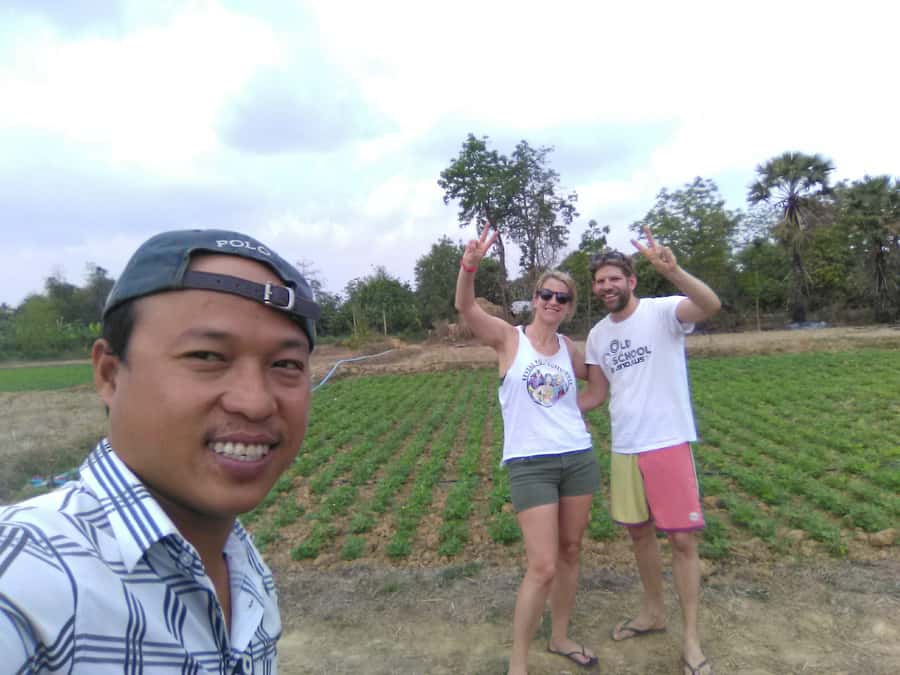
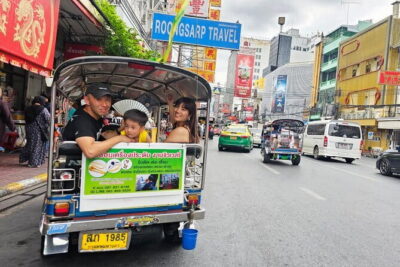
This is the kind of day that makes Battambang feel bigger than just a town. You start in Battambang, then spend the day bouncing between villages and river scenery—first by boat/kayak, then by tuk-tuk, and finally by a mountain route tied to temples and caves.
The pacing is built around two different kinds of travel comfort. The river time is quiet and slow, so you can actually look around. The tuk-tuk time is for moving between viewpoints and cultural stops without feeling trapped in a bus.
Your guide is a big part of the value. With people like Pao leading the way, the focus stays on the countryside and local routines instead of turning into a shop tour. You’ll hear stories as you travel, and it helps you connect the scenery to how people live.
Sangker River kayak: crops, fish farms, and river bridges
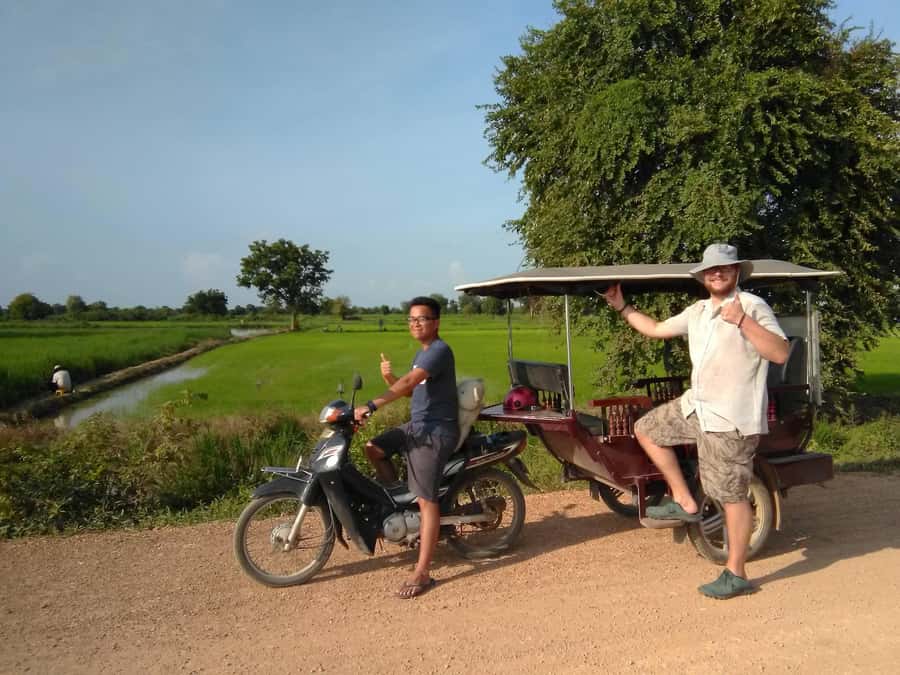
The day kicks off around 9:00 AM with hotel pickup in the Battambang area. After pickup, you go straight to the kayak portion for about one hour.
What I like about this segment is how it keeps you in the river’s working world, not just sightseeing-from-a-distance. You’ll pass farmland where people grow long beans, corn, chili, and peanuts. You might also spot a fishing village feel and plenty of fish farms along the water.
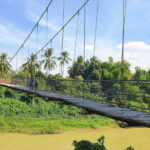
One of the most memorable details here is the suspension bridge scenery tied to the river network. Even if you have seen bridges before, this one feels tied to day-to-day life on this stretch of the Sangker.
Practical note: you are not doing a strenuous paddle marathon. It is more about drifting, looking, and letting the scenery move past you. Still, bring a camera that can handle splashes and sudden shade changes.
Bamboo Train ride: the 2.5 by 4 meter bamboo cart on a single track
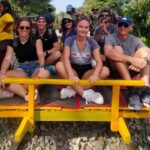
After the river time, you head to the bamboo train. The ride itself is paid separately, and it is typically $5 per adult.
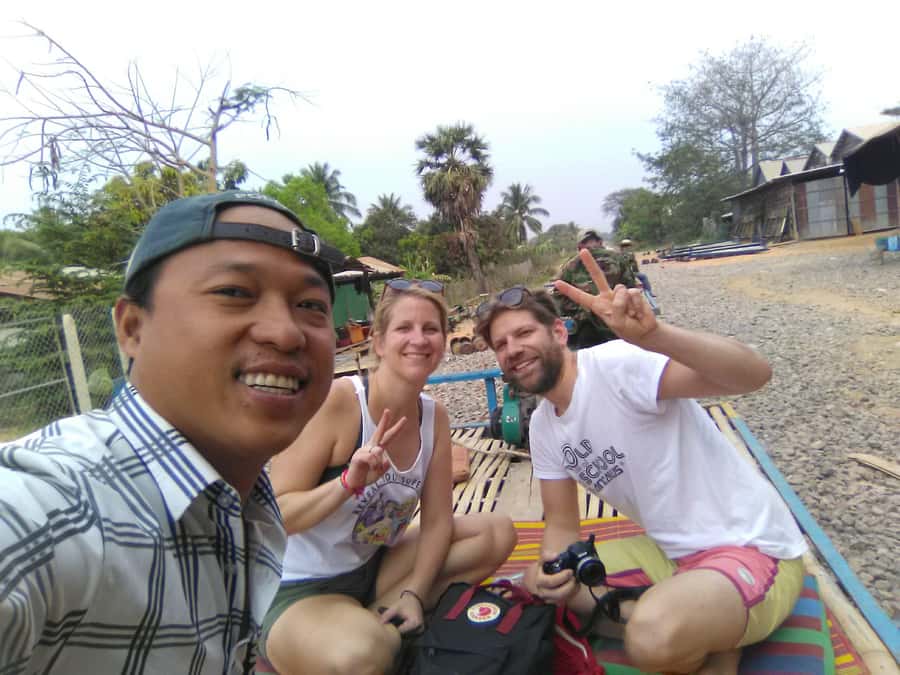
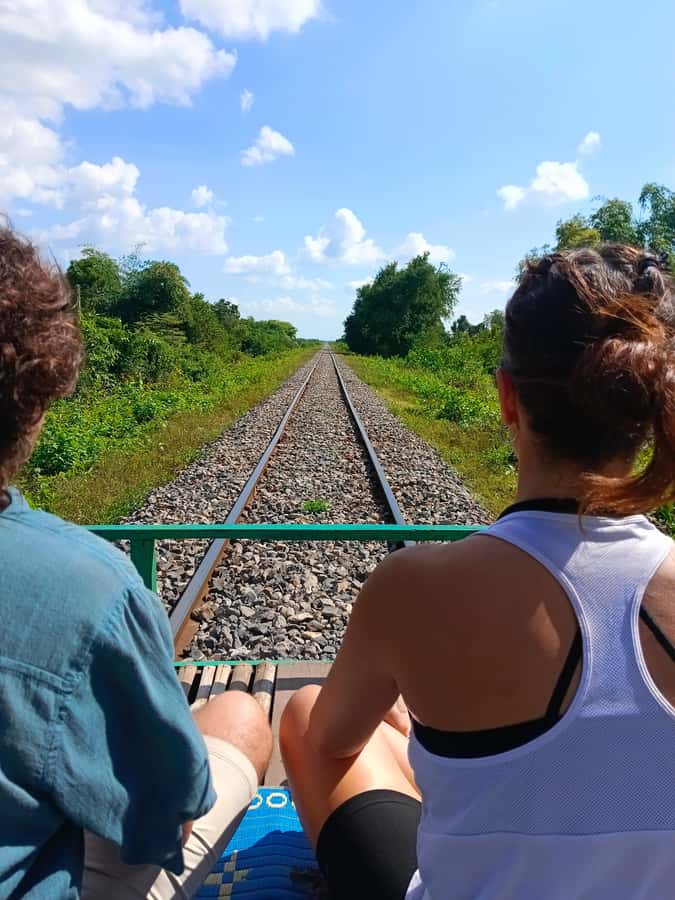
Here’s what makes it genuinely interesting: this is not a big modern rail system. The bamboo train is described as a raft-like bamboo device about 2.5 meters by 4 meters, used by local villagers to move goods. It travels on a shared track.
And because it is one track used for both directions, the drivers have to make a decision when they meet someone coming the other way—often based on which load is lighter. That small detail turns the ride into a glimpse of real logistics, not just a fun photo stop.
What you should expect on board: slower movement, lots of watching, and a very local feel. If you like hands-on travel, this is one of the best-value cultural experiences in Battambang because it is practical by design.
Wa Kor Cultural Village (Wat Kor) and the swing bridge detour
Next comes a cultural route in the south area of Battambang. You drive to Wa Kor Village, often described as the homeland for many Khmer traditional houses.
This is a good stretch for two reasons. First, it breaks up the day so it’s not only water and the bamboo train. Second, it sets you up to understand the countryside as home to traditions—not just fields you pass on the way somewhere else.
Along the drive, you may pass a swing bridge on the river. It is the kind of bridge you notice more when you are already in the countryside rhythm.
If you want a clear travel win here, think of this section as your connection time—time to see how the river and farms connect to where people build homes and live.
Wat Banan Temple: mountain views with less stair strain
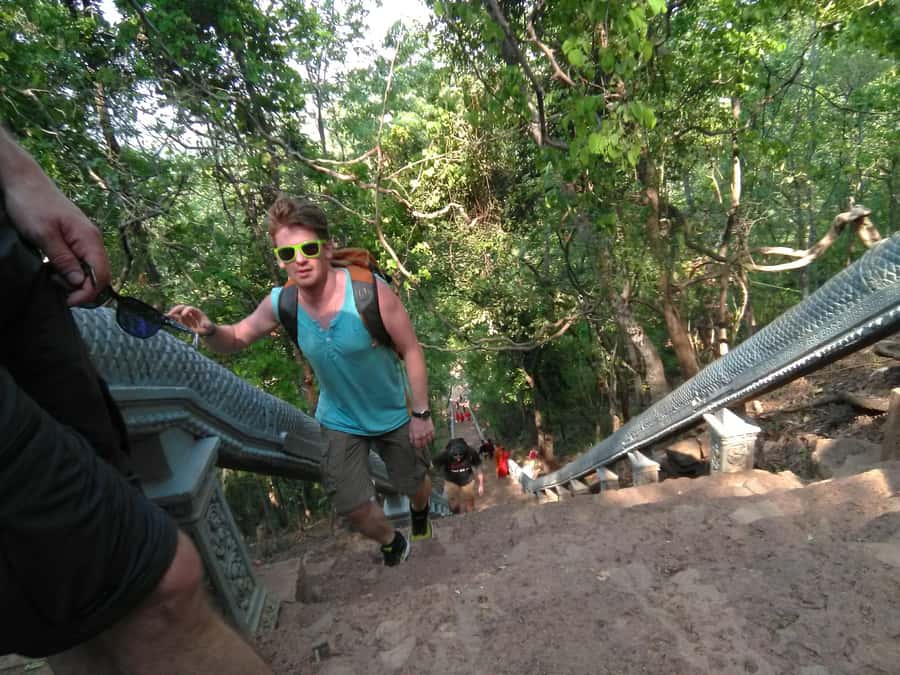
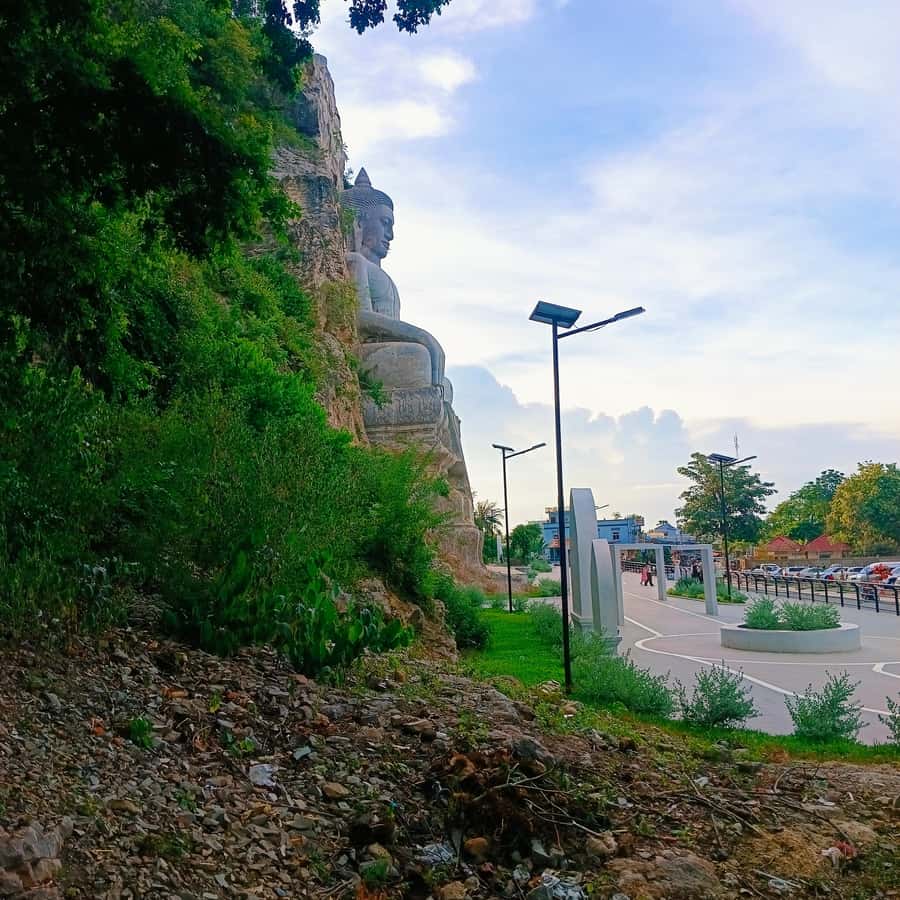
After the village and river-drive portions, you head toward Phnom Sompov Mountain. The mountain is about 140 meters high and there are said to be 800 steps to reach the top area.
But you do not do the full step climb. The route is designed to save you from the hardest part by taking a motorbike/jeep up the first part of the mountain. That option is usually an extra $5 per adult.
You’ll visit Phnon Sampeau Temple areas first, including shrines and what are called the killing caves used during the Khmer Rouge period. This part is emotionally heavy, so if you are sensitive to wartime history, go slowly and pace your reading and photos. You’ll be there for views too, and it helps to treat the cave portion as a place to understand, not a spot for casual picture-taking.
Once you are up in the temple area, you get the best payoff: wide views over Battambang and the surrounding countryside. You then continue with the plan to walk down the steps later rather than climbing all day.
After the temple viewpoint time, you’ll continue toward the bat cave segment, and the mountain route keeps drawing you forward because dusk matters.
Bat cave at dusk: millions of fruit bats leaving the mountain-side
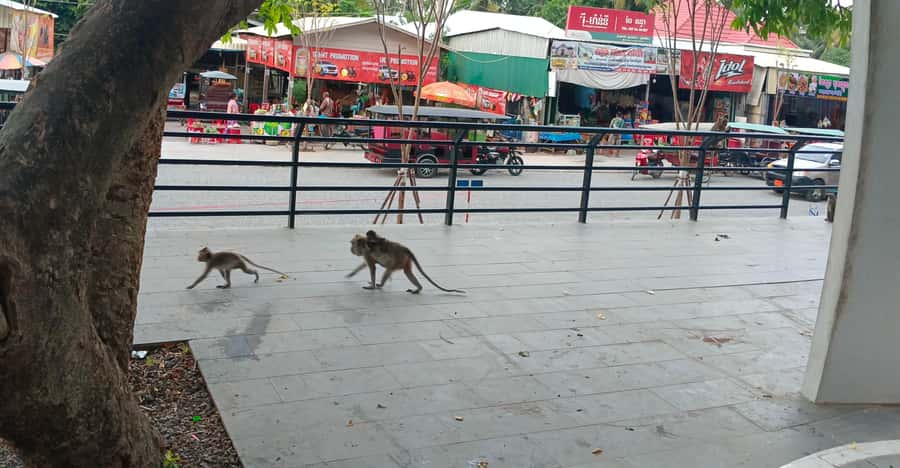
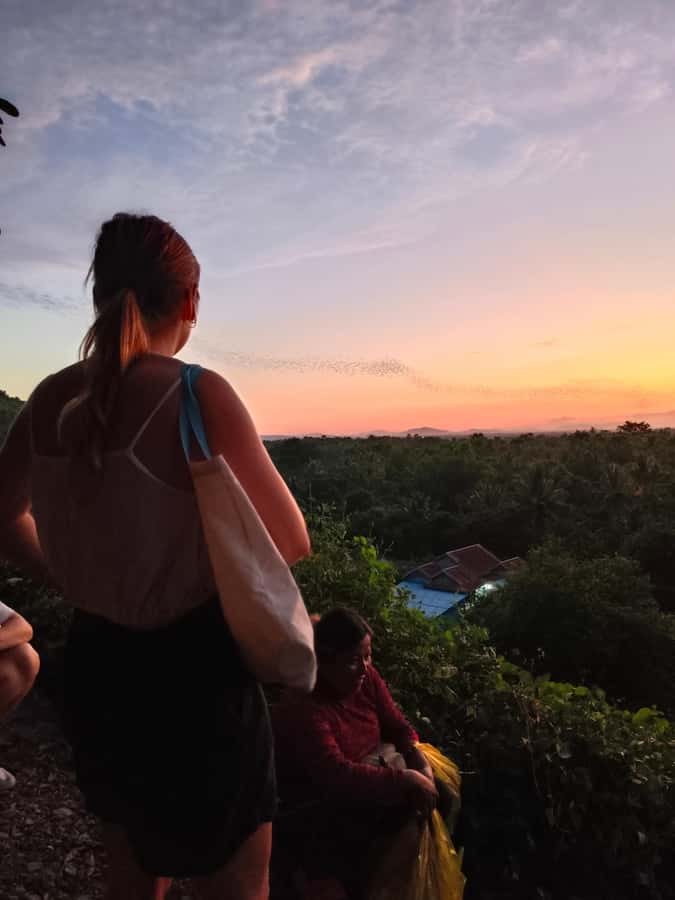
You end your day before sunset by heading to Bat Cave. The key timing is that you go as the light drops, when fruit bats fly out of the mountain caves.
This is one of those moments where the timing is everything. If you go too early, it can feel like waiting. If you go right at dusk, it turns into a moving sky event you don’t forget.
Even with the excitement, I recommend keeping your camera ready but not constantly pressed to record. Give yourself a few minutes to watch with your own eyes. When millions of bats start to move, the sound and motion create an atmosphere that doesn’t translate perfectly on a screen.
Temple and cave fees, plus kayak and bamboo train add-ons
The headline price is $11 per person, but several of the big moments are not included in that base rate.
From the tour details you’ll likely pay these add-ons (amounts listed per adult):
- Bamboo train: $5
- Boat trip or kayak (1 hour): $8
- Wat Banan Temple: $2
- Killing Cave & Bat Cave: $1
- Take Jeep or scooter up mountain: $5 (optional, but tied to avoiding the hardest climb)
- Entrance fees are also listed as not included
So in a practical sense, you should expect your all-in day to land higher than $11 if you do the full experience as designed. Still, I’d call it fair value because the day mixes several paid experiences: river time, bamboo train logistics, temple/cave entries, and the mountain approach option.
Two ways to think about value:
- If you care about the bamboo train and the bats at dusk, those two alone justify planning for extra fees.
- If you just want a scenic drive and a light cultural visit, you may want to trim expectations and ask what you can skip.
What’s included (and what you should bring)
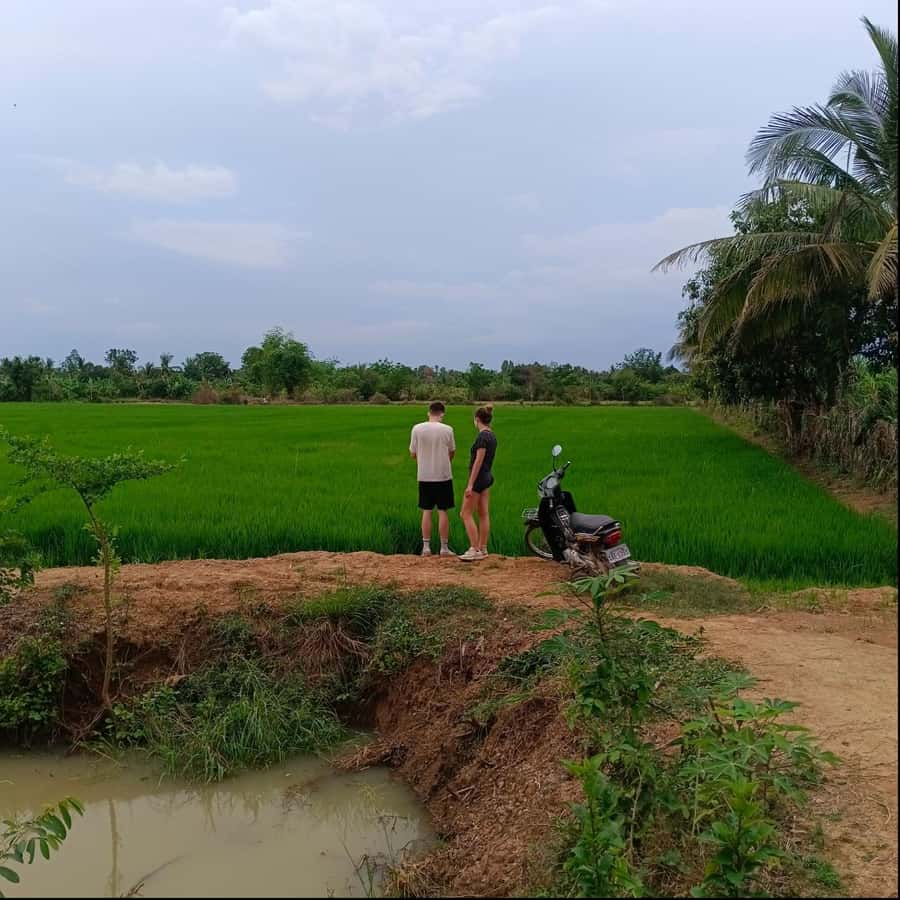
This is a day tour with enough comfort basics to keep you from feeling stressed. Included are hotel pickup and drop off, a live guide/tuk-tuk, cold bottled water, and local fruit and vegetables (tasting). You also get the countryside experience plus the hiking/mountain route approach.
What to bring:
- Camera
- Cash (for add-ons and entrance fees)
- Comfortable shoes
Also pay attention to the dress note: no sleeveless shirts. For temple and cave areas, light layers and sleeves will keep you comfortable as well as compliant.
Who should book this Battambang countryside day
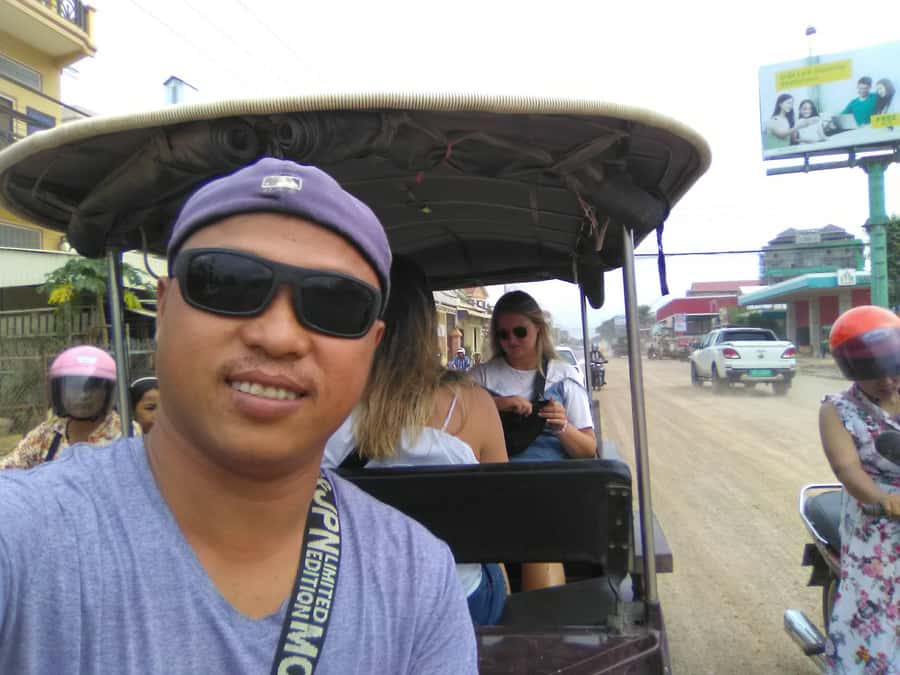
I think this fits best if you want a full Battambang day that combines nature time with real local routines.
It’s a strong match for:
- People who like hands-on travel (kayak + bamboo train)
- First-time visitors who want more than just a town walk
- Anyone who appreciates small details, like the single-track bamboo train working like a local transport tool
It may not be the best fit if you:
- Have trouble with walking stairs (you avoid the hardest climb by motorbike, but you still walk down steps)
- Need wheelchair access or have mobility limitations (this tour is not suitable for mobility impairments or wheelchair users)
- Are traveling with someone over 80 years old (not suitable based on the tour info)
If your main goal is maximum comfort with no walking, you might find a different Battambang option more relaxing.
Should you book this tuk-tuk and kayak tour?
If you are the type of traveler who wants a day that feels like Battambang’s real rhythm, this is a yes. The kayak on the Sangker River and the bamboo train are the core wins, and the bat cave at dusk is the kind of payoff that makes the timing worth it.
Just go in with the right mindset about cost. The $11 base price is only the starting point. If you budget for the kayak/bamboo train and the cave/temple fees, you’ll get the full mix the day is built around.
Finally, pick it especially if you value a guide who keeps the day grounded in local life. People-led stories from guides like Pao are a big reason this experience feels authentic rather than checklist tourism.
FAQ
What time does the tour start and end?
Pickup happens around 9:00 AM, and the tour ends back in Battambang town around 7:30 PM.
Where is pickup offered?
Your guide can pick you up from any hotel or restaurant in the Battambang area, and you should wait in the lobby at least 15 minutes before start.
How long is the kayaking portion?
The tour includes a one-hour boat trip or kayak on the river.
Is the bamboo train included in the base price?
No. The bamboo train ride is listed as not included, with a cost of $5 per adult.
Are temple and cave entrance fees included?
No. Wat Banan Temple and the killing cave & bat cave fees are listed as not included.
Is lunch included?
Lunch is not included.
What is included in the $11 per person price?
Included items are hotel pickup and drop off, live guide/tuk-tuk, cold bottle water, and local fruit and vegetables (tasting), plus the countryside and mountain hiking route elements.
How much is the optional ride up the mountain?
Taking a jeep or scooter up the mountain is an extra $5 per adult.
What should I bring and wear?
Bring a camera and cash, wear comfortable shoes, and note that sleeveless shirts are not allowed.
Is this tour suitable for people with mobility issues?
No. The tour is listed as not suitable for people with mobility impairments and not suitable for wheelchair users (and it also says it is not suitable for people over 80).