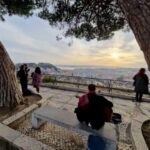
Lisbon’s hills are easier in a tiny electric cart. This 2-hour loop is built for seeing more without the steep slog, with planned photo stops at Graça and Santa Luzia and time in Lisbon’s oldest streets.
I really like how the route mixes famous viewpoints with neighborhoods that feel local, especially around Mouraria and Alfama. You’re not just passing by monuments; you’re getting short, useful moments in the places that shape the city’s character.
Second, I like that it’s your group only. There’s no rotating lineup, no waiting for other people, and you can keep the pace moving—handy if you want a smooth overview on day one (or day three).
One drawback to plan around: this experience requires good weather. If conditions are poor, expect it to be rescheduled or refunded, and that can mess with tight itineraries.
In This Review
- Key highlights worth planning around
- A private electric tuk tuk that saves your legs
- Rossio meeting point and how the 2-hour loop feels
- Mouraria and Alfama: the oldest streets with a real 1147-to-today thread
- Rua da Bica and the Ascensor da Bica: why this elevator is a big deal
- Bairro Alto streets plus São Pedro de Alcântara views
- Miradouro da Graça and Santa Luzia: where the photos happen
- Alfama finale: the fado connection you can feel in the streets
- Price and what $83.88 buys in time, access, and flexibility
- Who this Lisbon tuk tuk tour suits best
- Should you book this tuk tuk tour?
- FAQ
- How long is the Untouched Lisbon Hidden Secrets Tuk Tuk Tour?
- Where do we meet for the tour?
- Is this a private tour?
- Which areas of Lisbon are included?
- Are entrance tickets required for the stops?
- Is the tour offered in English?
- What happens if the weather is poor, and are service animals allowed?
Key highlights worth planning around
- Private tuk tuk means less waiting: only your group rides, so the route stays efficient.
- Photo-time at Miradouros da Graça and Santa Luzia: you get specific viewpoints, not random lookouts.
- Mouraria has a big multicultural story: 56 nationalities live side by side, shaped by a Moorish past.
- Ascensor da Bica gets context, not just a photo: you learn what makes it National Monument-level iconic.
- Bairro Alto + wide views from São Pedro de Alcântara: quick stops that still feel panoramic.
- Rui Ribeiro (and João) bring flexibility: the guide can adjust to what your group cares about.
A private electric tuk tuk that saves your legs
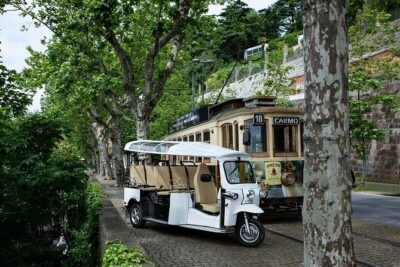
Lisbon’s best views come with a catch: lots of stairs. This is why I like a tuk tuk option like this one. It’s electric, it’s built for short hops between neighborhoods, and it keeps you from spending the whole day climbing just to earn a skyline photo.
Because it’s a private tour, you also avoid the awkward rhythm that happens on shared rides. You’re not getting “held” at each stop while someone else catches up. In practice, that means you can actually absorb what you’re seeing, even with a short overall time.
You can also read our reviews of more tours and experiences in Lisbon.



Rossio meeting point and how the 2-hour loop feels
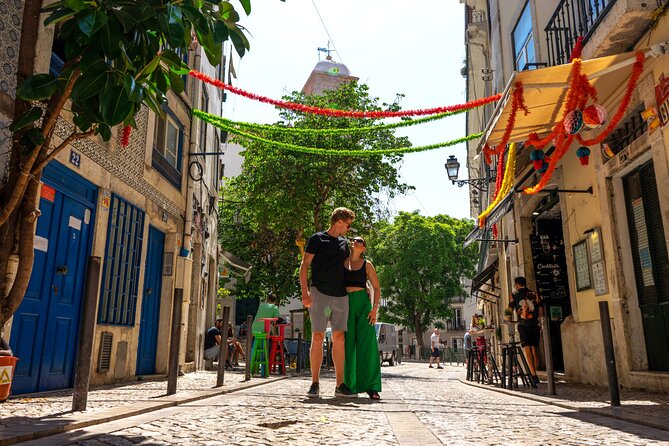
You start and finish at Rossio Square (Praça do Rossio, 1100-200 Lisboa). That’s a smart choice: Rossio is central and easy to orient yourself around, so you’re not stuck hunting for a meeting spot on the edge of town.
The tour runs about 2 hours. The schedule is paced in chunks (roughly 20 minutes at key stops, plus drive time around the loop). That format is great if you want:
- a quick “get your bearings fast” overview, and
- a handful of high-value spots you can’t easily reach without planning.
It’s not meant to replace a full-day Lisbon plan. Think of it as the fast, guided version of “I want the best angles and the old-street feel, without burning my legs.”
Mouraria and Alfama: the oldest streets with a real 1147-to-today thread
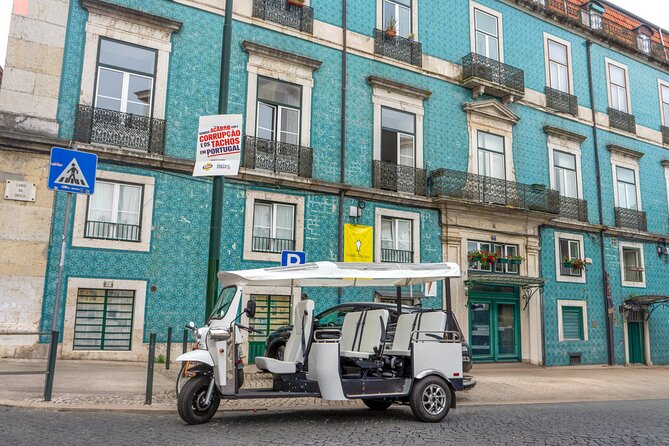
The heart of the tour begins around Castelo, Alfama, and Mouraria, with a focus on Mouraria as one of Lisbon’s most traditional areas.
What I find compelling here is the way the story links centuries to the streets you can still walk through today. After the conquest of Lisbon by D. Afonso Henriques in 1147, Moors were allowed to live in this area. That presence lasted until they were expelled in the 15th century. Today, the physical evidence of that era may be limited, but the neighborhood’s identity carries forward.
And here’s the modern detail that makes Mouraria feel alive in a practical way: 56 nationalities live together in the neighborhood, with many residents from Bangladesh, China, India, Pakistan, and Mozambique. That mix matters. It’s one reason Mouraria doesn’t feel like a sealed-off “theme” district. It feels like a working neighborhood where Lisbon’s global side and its old roots overlap.
If you’re visiting for the first time, this is one of the fastest ways to understand why Alfama isn’t just “old buildings and fado.” It’s an area with layers.
Rua da Bica and the Ascensor da Bica: why this elevator is a big deal
From there, you head toward Rua da Bica and the iconic Ascensor da Bica (the funicular elevator). Even if you just look at it from the street, it helps to know what you’re seeing.
This elevator opened in 1892 and switched to electric power in 1914. That’s a long time ago, but the design still gives it presence—especially the famous yellow cars and the way it threads through steep streets.
It’s also classified as a National Monument, which is Lisbon’s polite way of saying: this isn’t just a cute photo prop. It’s part of the city’s built identity.
Here’s a practical note for your day: the stop is timed so you can get a look, take photos, and get back on the tuk tuk. If your goal is only to ride the elevator, you might want to check in advance whether that’s part of your exact tour stop plan—what’s clearly built in here is the viewpoint and the area connection.
Bairro Alto streets plus São Pedro de Alcântara views
Next comes Bairro Alto, known for narrow, cobbled streets and its well-known nightlife vibe. Daytime Bairro Alto can feel calmer—more about architecture, street life, and that slightly bohemian mix of locals stepping in and out of shops.
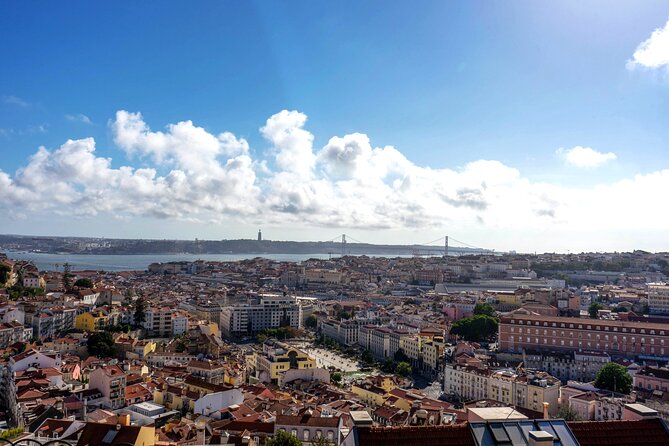
This stop is also tied to one of Lisbon’s best “pause and look” moments: Miradouro de São Pedro de Alcântara. The viewpoint is known for offering a broad, readable view over key areas, including Castelo de São Jorge, the river Tagus (Tejo), and Baixa.
What I like about including a miradouro here is pacing. You’re not just traveling from point A to point B. You get a moment where the city opens up, and the guide can point out what you’re actually looking at—so your photos end up more meaningful later.
Also, miradouros can get crowded in peak hours. With a guided, timed stop, you at least aren’t guessing how long you’ll stand there hoping for a clear view. The tour keeps you moving.





Miradouro da Graça and Santa Luzia: where the photos happen
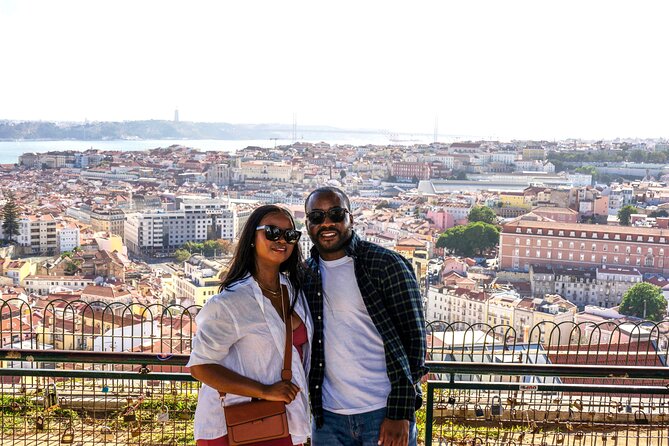
The tour gives you dedicated time at Miradouro da Graça (named for Sophia de Mello Breyner Andresen). This area is described as a rich, diverse neighborhood—full of squares, viewpoints, and buildings that range from simple homes to larger, more imposing palaces.
I like Graça because it feels more “Lisbon real” than purely tourist. It’s popular with locals and visitors, but it doesn’t lose its neighborhood texture. If you’re hoping for photos that still look like Lisbon and not like a postcard stand, this stop helps.
And you also get photo time at Miradouro de Santa Luzia as part of the highlights. That pairing is smart. Different miradouros can give you different angles of the same story—rooftops, the river, the layering of streets climbing up and away. If you only pick one viewpoint on your own, you can miss that full-scope feeling.
Alfama finale: the fado connection you can feel in the streets
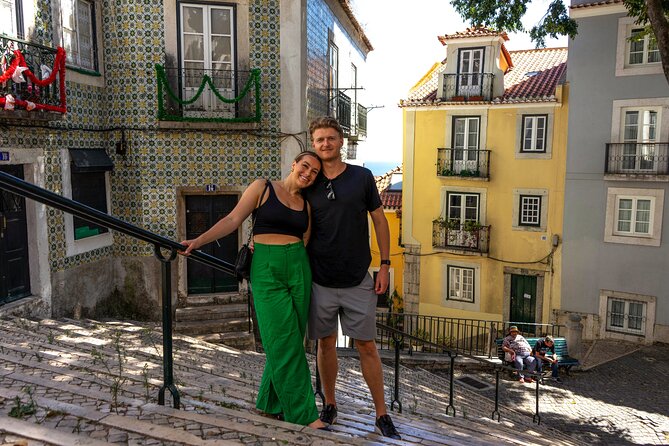
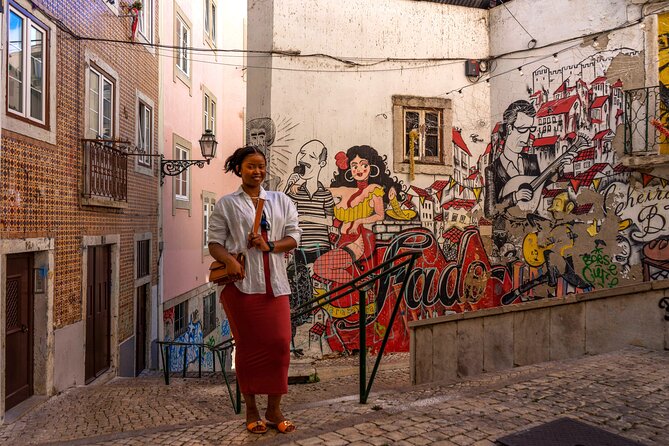
The tour doesn’t just point out “Alfama is old.” It frames Alfama as one of Lisbon’s oldest neighborhoods and emphasizes its strong connection to fado.
That matters because fado isn’t just a performance you attend in a dark room. In Alfama, it’s tied to the street texture: steep alleys, tight corners, and that sense of intimate space. Even if you don’t schedule an evening fado show on the same day, you get a stronger feeling for why the music fits here.
This stop also helps round out your tour’s theme. You started with Mouraria’s long arc from Moorish presence to today’s multicultural neighborhood. You end with Alfama, where older Lisbon identity and performing tradition meet in the same area.
If you’re traveling with limited time, this ending is useful. It nudges you toward the next step: either booking a fado night or choosing a self-guided walk in Alfama where you already understand what you’re looking at.
Price and what $83.88 buys in time, access, and flexibility
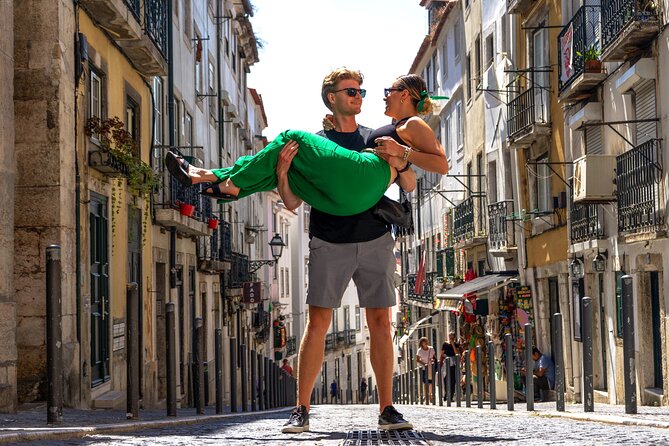
The price is $83.88 per person for about 2 hours, offered in English. That can feel steep if you compare it to a bus fare. But you’re not buying transportation alone. You’re buying:
- a tight route that hits multiple neighborhoods without you spending hours figuring out how to get there, and
- your group only private time (no random strangers slowing the plan), and
- planned viewpoint/photo stops where you can actually see and shoot.
There are also group discounts and a mobile ticket, which helps if you’re booking as a small group.
One of the smartest value elements is flexibility. In real-world use, the guide Rui Ribeiro (with support from João) has adjusted the outing around what families need. One example shared is a family traveling with mobility challenges and a folding wheelchair; the guide helped with loading/unloading and aimed to be mindful about step-free spots.
That kind of practical care can be worth a lot more than it sounds on paper. If your day includes hills, getting around safely and efficiently often matters more than saving a few euros on the ride.
Who this Lisbon tuk tuk tour suits best
This works well if you fit one of these boxes:
- You’re a first-time visitor who wants the “major neighborhoods + key viewpoints” overview without walking the hardest parts.
- You’re returning and want older Lisbon roots (Mouraria and Alfama) with guidance, not just a checklist.
- You want a fast, photo-friendly loop that doesn’t require map-reading all afternoon.
- You’re traveling with someone who has lower stamina. The route is designed around short timed moments rather than long stair climbs.
It’s also offered by Local 100% Electric Tuk Tuk Tours, and the tour is positioned as suitable for most people, with service animals allowed.
Should you book this tuk tuk tour?
If you want Lisbon in two hours without wearing yourself out, I’d book it. The private format, the set viewpoint stops, and the Mouraria-to-Alfama framing add up to an efficient intro to parts of the city that deserve more than a drive-by.
I’d hesitate only if your plan depends on doing lots of walking, lingering for long periods at viewpoints, or if weather is questionable. The tour is weather-dependent, so if your dates are fragile, you’ll want to keep that in mind.
If you’re the type who likes a guided path that still leaves room for your own wandering afterward, this is a strong pick. Start at Rossio, get your bearings fast, and then use the neighborhood feel you learned here to guide the rest of your Lisbon day.
FAQ
How long is the Untouched Lisbon Hidden Secrets Tuk Tuk Tour?
It runs for about 2 hours (approx.).
Where do we meet for the tour?
You meet at Rossio Square (Praça do Rossio, 1100-200 Lisboa, Portugal) and the tour ends back at the same meeting point.
Is this a private tour?
Yes. It’s private, meaning only your group participates.
Which areas of Lisbon are included?
You’ll cover Castelo, Alfama, and Mouraria, pass by Rua da Bica with Ascensor da Bica, spend time around Bairro Alto, and visit miradouros including Miradouro da Graça and Miradouro de Santa Luzia, plus Miradouro de São Pedro de Alcântara.
Are entrance tickets required for the stops?
The tour information lists admission as free for the stops included.
Is the tour offered in English?
Yes, the tour is offered in English.
What happens if the weather is poor, and are service animals allowed?
The experience requires good weather. If it’s canceled due to poor weather, you’ll be offered a different date or a full refund. Service animals are allowed.
If you want, tell me your travel dates and whether you’re traveling with someone who has mobility limitations, and I’ll help you decide the best time of day to do this route.