REVIEW · HAPUTALE
Tuk-Tuk Safari Liptons seat,Tea Fields Hike,TeaFactory Tour
Book on GetYourGuide →Operated by Sri Lanka Trekking Club · Bookable on GetYourGuide
A day in the tea country starts rolling fast. You’ll ride a tuk-tuk through the hills from Ella, hike the tea estates toward Lipton Seat, then tour the Dambatenne Tea Factory built by Thomas Lipton. It’s a practical mix of movement, walking, and real food-and-tea learning in about 7 hours.
My favorite parts are the combination of the tuk-tuk safari ride and the hands-on feeling you get from seeing how leaves turn into Ceylon black tea. One possible drawback: if weather is rainy, views can soften and your picnic may shift indoors instead of being fully outdoors.
In This Review
- Key points before you go
- Why the Tuk-Tuk Safari from Ella is the right way to start
- Tea fields and the Lipton Seat hike: what to expect on the ground
- Picnic lunch in tea country: simple, satisfying, and realistically flexible
- Dambatenne Tea Factory: where you see Ceylon black tea become itself
- The drive feel: Bandarawela and Haputale, plus the rhythm of a full day
- Price and value: is $60 a good deal for 7 hours?
- Who this tour suits best (and who should reconsider)
- Should you book the Tuk-Tuk Safari + Tea Fields + Factory day trip?
- FAQ
- How long is the tour?
- Where does the tour start and where does it end?
- What activities are included?
- Will I have a guide, and is it in English?
- What will I learn at the tea factory?
- What if it rains during the day?
Key points before you go
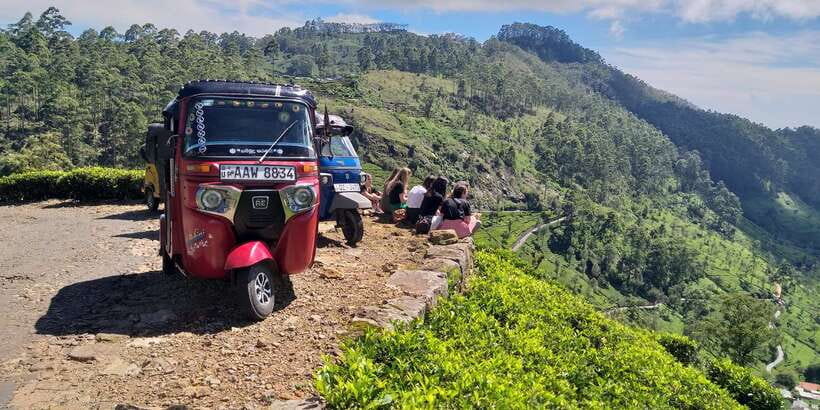
- Tuk-tuk safari from Ella: fast, open-hill travel that makes the countryside feel close
- Lipton Seat viewpoint: a high stop where you can admire 7 districts at once
- Guided tea plantation hike: walk estate paths while you learn what makes tea growing tick
- Picnic lunch: a countryside break that can move to cover if the weather gets rough
- Dambatenne Tea Factory tour: see the full chain from fermentation to grading
- Built in 1890 by Thomas Lipton: history you can actually stand inside and picture
Why the Tuk-Tuk Safari from Ella is the right way to start

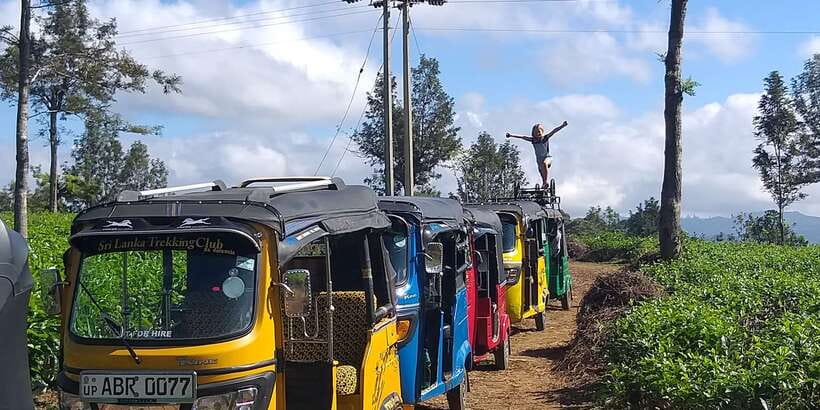
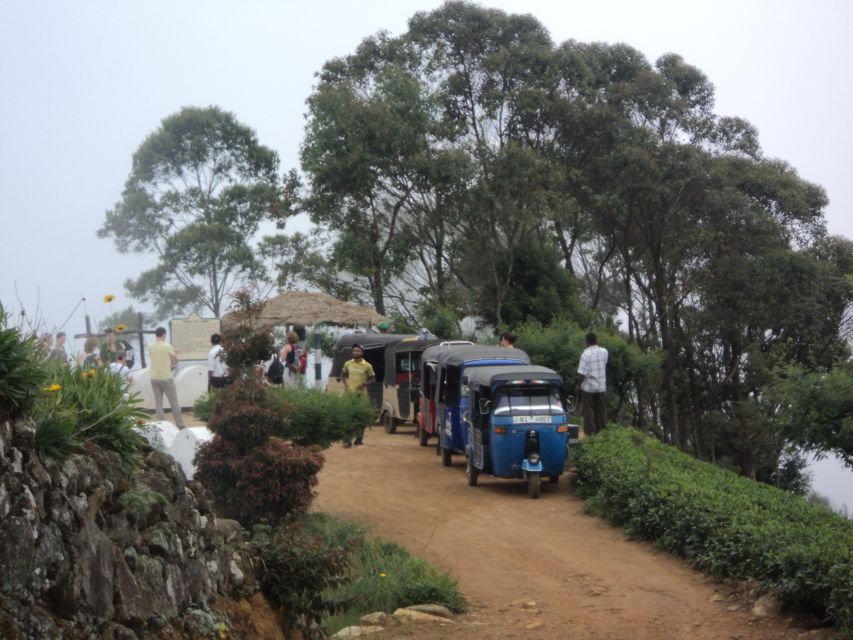
Ella is a great base, but getting from point A to point B in tea country can eat time if you’re relying on slow, rigid transit. This tour fixes that by using a tuk-tuk safari for the drive segments. The ride feels quick, low-stress, and very “Sri Lanka hill roads” in the best way: wind in your hair, hills bending right in front of you, and frequent chances to notice how tea estates sit in the slopes.
You’ll be picked up from your accommodation in Ella, so there’s no scramble to meet in a distant town. Then the day flows outward through the tea belt toward Bandarawela and Haputale, finishing in Haputale. That end point matters. It means you can keep the rest of your trip moving without trying to squeeze in another transport step right away.
If you’re the type who likes to travel with your eyes open, you’ll appreciate how the tuk-tuk portion sets the tone: it’s not just “transport.” It’s your first taste of elevation, small valleys, and the way tea farms shape the hills.
Tea fields and the Lipton Seat hike: what to expect on the ground
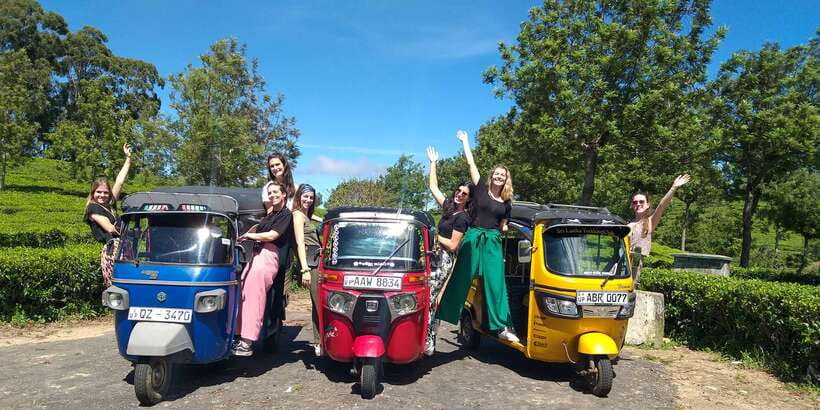
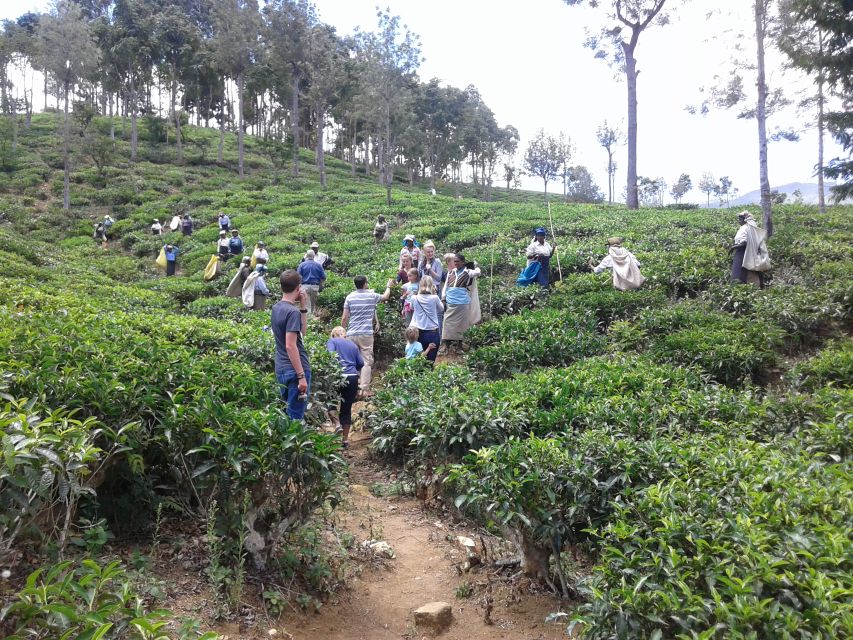
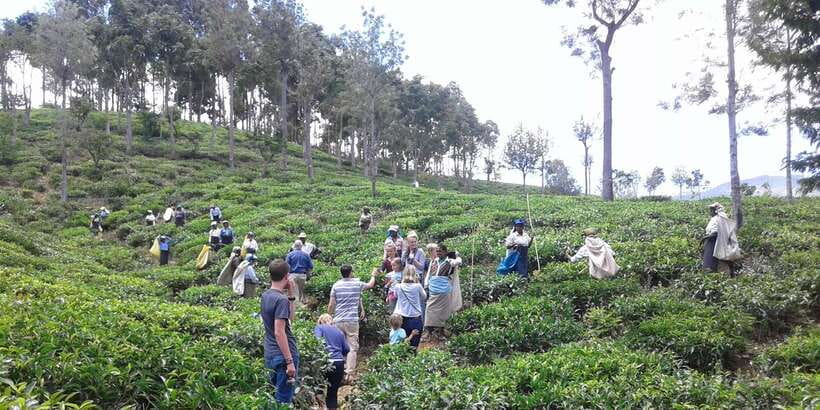
After the ride gets you into the tea-growing zone, you shift from road-travel to walking. The tour includes a guided tea plantation hike, focused on estate paths and tea field views. Even when the hike is only as long as you can handle comfortably, it changes how you understand tea farming. On foot, you can actually see the leaf rows, how the terrain shapes planting, and why steep areas demand constant attention.
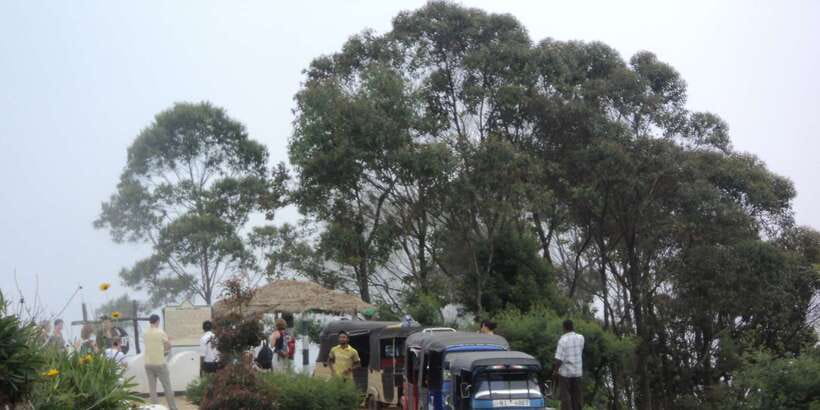
A key stop is Lipton Seat, a viewpoint associated with tea in the region. Here’s the practical part: it’s high enough that you can take in 7 districts at once when the weather allows. On clear days, that wide view helps you connect what you’re seeing up close (the fields and processing) to the bigger geography (how far tea-growing reaches across the hills). On cloudy days, you might not get maximum distance, but you’ll still feel the altitude and get a sense of how the terrain drops away.
Pace-wise, think of this as an enjoyable hike with guidance, not a strenuous mountain trek. You’ll want decent walking shoes with grip because estate paths can be uneven. Also, tea country weather can change quickly. If the morning is dry and cool, you’ll still want a light layer for the higher sections.
The big value of this portion is the explanation. The tour isn’t only scenic; it’s guided so you learn what you’re looking at while you’re still in the fields.
Picnic lunch in tea country: simple, satisfying, and realistically flexible
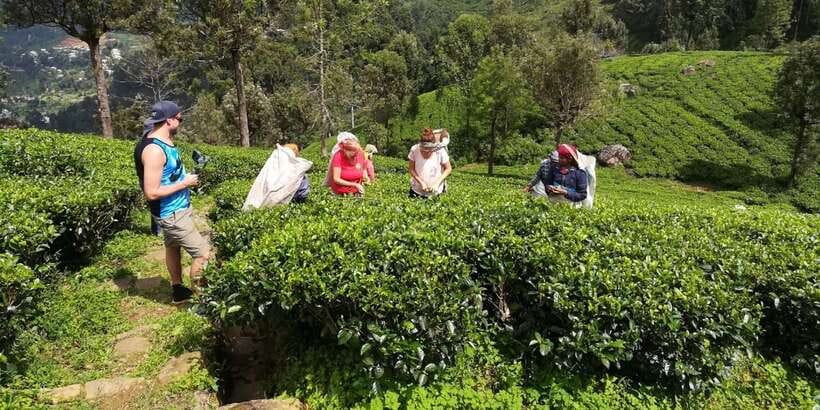
One of the nicest parts of this tour is the included picnic lunch in the countryside. This is where the day stops feeling like an itinerary and starts feeling like a break. You get to sit down in the open air, away from traffic noise, with tea slopes around you.
There’s also a practical reality: weather can interfere. If the day turns rainy or stays cloudy, your guide can adjust the plan so you’re not stuck hungry and cold. In situations like heavy rain, the picnic can shift to a nearby covered place so you can eat comfortably without abandoning the tour.
What does “picnic lunch” mean in real-life terms here? You should expect a solid break with lunch basics and drinks, intended to keep energy up for the factory portion afterward. The goal is not a fancy restaurant meal. It’s an easy, filling reset timed perfectly between the hike and the processing tour.
My advice: bring or wear something that dries fast. Even if you don’t plan to get wet, mist can happen in the hills. If you tend to run cold, a light jacket helps because after walking, your body sometimes cools down faster than you’d expect.
Dambatenne Tea Factory: where you see Ceylon black tea become itself
The Dambatenne Tea Factory is the “aha” stop. It turns your scenic tea day into something you can explain to friends afterward. This factory was built in 1890 by Thomas Lipton, and it’s known as the largest tea factory in the country. Standing there, you can picture how industrial tea production became part of Sri Lanka’s economy and daily rhythm.
What I like most about the tour is that it tracks the process steps you usually only hear about in vague terms. You’ll learn how green tea leaves are turned into black tea, with stages including:
- fermentation
- rolling
- drying
- cutting
- grinding
- sieving
- grading
Those words aren’t just trivia. Each one hints at what the tea ends up tasting like and how consistent flavor gets produced at scale. When you hear the steps in order, you start to see that tea processing is part chemistry, part control. It’s not random. It’s designed.
Also, the tour connects the industry to what you saw outdoors earlier. You’ve been walking through cultivated tea. Now you see what happens after harvest. That connection is the reason this is more than a photo stop.
One caution: factory tours can involve busy rooms, sounds, and sometimes a bit of standing. Comfortable shoes are still your best friend, and it helps to have a light scarf or shawl if you’re sensitive to cool indoor airflow.
The drive feel: Bandarawela and Haputale, plus the rhythm of a full day
A good day trip balances “time on the move” with “time experiencing.” Here, the tuk-tuk portions carry you through areas such as Bandarawela and Haputale, and you use those drives to transition between key moments: riding, hiking, eating, and factory learning.
This matters because tea country isn’t one compact spot. It’s spread across slopes. So instead of feeling like you’re repeating the same valley view, the route gives variety. You’ll get a sense of how the terrain changes as elevation shifts and as plantations spread out.
Also pay attention to how the tour ends. Hotel drop-off is listed as not included, and the tour finishes in Haputale. That doesn’t mean you’ll be left stranded, but you should plan your onward transport from Haputale rather than assuming an included ride all the way back to your exact lodging.
If you do want a smoother landing, consider arranging the next step before you start the day (even a simple taxi or tuk-tuk from Haputale). That way, the last hour doesn’t become a logistics headache.
Price and value: is $60 a good deal for 7 hours?
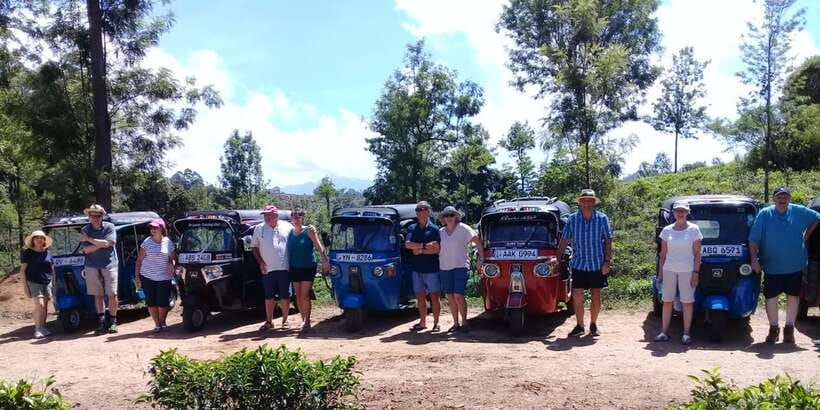
At $60 per person for about 7 hours, the value comes from how many meaningful segments you get in one day: tuk-tuk safari, guided hike, picnic lunch, tea factory visit, and entrance fees. Many similar day trips either focus mostly on driving with one quick stop, or focus mostly on walking with no deeper “why it matters” explanation.
Here, the cost looks fair because:
- You’re not paying extra to piece together transport and activities yourself (pickup included).
- The guided elements at the hike and factory turn scenery into learning.
- You get lunch included, which stops the day from turning into constant snack stops.
For me, the best value indicators are the “expensive-to-organize” items: getting to tea estates, getting you to the tea factory, and timing it so the hike and lunch don’t feel rushed. If you’re staying in Ella and want a full tea-day without fiddling with schedules, this is the kind of structured tour that saves mental energy.
The only “watch-out” on value is the weather factor. If it’s very rainy, your viewpoints may be less dramatic and you’ll spend more time indoors or under cover. Still, the tour structure keeps the day moving, which is exactly what you want when the hills do their thing.
Who this tour suits best (and who should reconsider)
This is a strong fit if you:
- want a tea-focused day trip from Ella with both walking and a factory tour
- like learning how local products are made, not just seeing them
- prefer active travel with a ride that feels fun rather than stiff
- want a guided experience in English
You might reconsider if you:
- dislike any hiking at all (the tour includes a tea plantation hike, and terrain can be uneven)
- need guaranteed outdoor picnic seating, rain, cloud, and mist can change how that looks
Should you book the Tuk-Tuk Safari + Tea Fields + Factory day trip?
Yes, I’d book it if you want one day that covers the big three: getting into the tea hills, walking through the plantations, and understanding production at the Dambatenne Tea Factory. The route makes sense for Ella-based travelers, and the included lunch is timed to keep the day comfortable. Add in the chance to reach Lipton Seat with that wide-district view when conditions cooperate, and you’ve got a day that feels both scenic and educational.
If you’re deciding based on risk, my advice is simple: check the weather, but don’t let one rainy forecast scare you off. This kind of tour is built to keep functioning when skies shift, including lunch adjustments under cover.
If you want a tea day that’s more than postcards, this one fits the bill.
FAQ
How long is the tour?
The duration is 7 hours.
Where does the tour start and where does it end?
You get hotel pickup in Ella, and the tour finishes in Haputale. Hotel drop-off is not included.
What activities are included?
The tour includes a tuk-tuk safari, a guided tea plantation hike, a picnic lunch, a tea factory visit, and entrance fees.
Will I have a guide, and is it in English?
Yes. The tour includes a live guide, and it’s listed as English.
What will I learn at the tea factory?
You’ll learn how Lipton Ceylon black tea is produced at the Dambatenne Tea Factory, including stages such as fermentation, rolling, drying, cutting, grinding, sieving, and grading.
What if it rains during the day?
The tour includes a picnic lunch and outdoor viewpoints, so weather can affect what you can see. In heavy rain, your guide may adjust so you can still eat comfortably and keep the tour going.