REVIEW · HAPUTALE
Haputale:Glorious Tuk Tuk Ride to Lipton’sSeat & Tea Factory
Book on GetYourGuide →Operated by Sri Lanka Trekking Club · Bookable on GetYourGuide
Tea country looks unreal on four wheels. This tuk-tuk outing from Haputale or Bandarawela mixes tea-plantation views with a top viewpoint at Lipton’s Seat, plus a stop at a real processing factory. I love how the drive feels unhurried, like you’re watching the highlands change as you climb.
I also love the hands-on tea time. You get to meet tea pluckers, try your hand at plucking, and then eat a simple picnic right in the plantation. It’s the kind of experience where you’re surrounded by local work, not staged tourism.
One heads-up: you’ll do some walking around Lipton’s Seat, and the sun can feel strong up there. Wear comfortable shoes and bring water, because you’re outdoors for much of the day—and tea factory timing can shift during harvest.
In This Review
- Key things that make this tour special
- Tuk-tuk tea touring from Haputale or Bandarawela
- Timing, duration, and where the 5 hours go
- Lipton’s Seat: panoramas and the Thomas Lipton statue
- Tea plantation break: plucking leaves and eating where locals work
- Dambatenne Tea Factory: what processing actually looks like
- Tea tasting and the best way to enjoy the finish
- Price and value: is $35 per person worth it?
- What to bring (and why it matters in the highlands)
- Who should book, and who should skip it
- Should you book this tuk-tuk tea tour?
- FAQ
- How long is the tuk-tuk tea tour?
- Where do you get picked up?
- Do I need to walk at Lipton’s Seat?
- Is tea plucking included?
- Is there a picnic included?
- Will I be able to taste tea?
- What should I bring?
- Is smoking allowed?
Key things that make this tour special
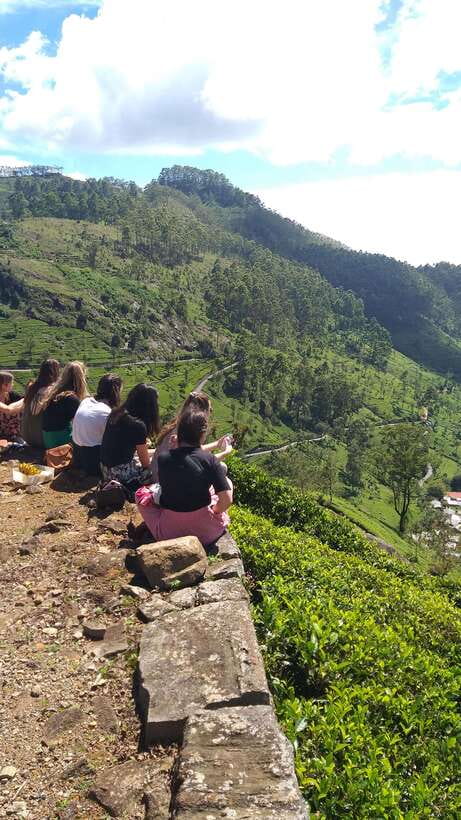
- Tuk-tuk through tea estates: practical transport with great photo angles and slower pace
- Lipton’s Seat + Thomas Lipton statue: a classic Sri Lanka tea landmark with panoramic views
- Tea plucking with working tea pluckers: learn by doing, not just looking
- Plantation picnic: a local-feeling break in the tea rows
- Dambatenne Tea Factory visit: see tea processing steps like fermentation, rolling, drying, cutting, sieving, and grading
- Tea tasting after the tour: finish with a cup of local tea
Tuk-tuk tea touring from Haputale or Bandarawela
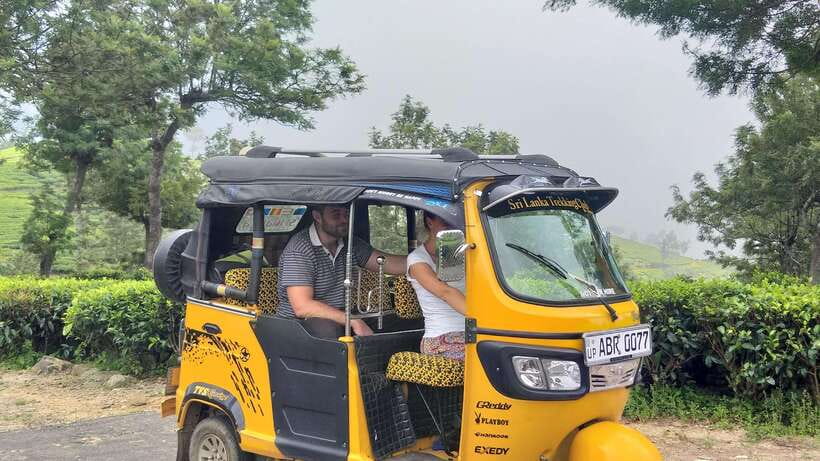
If you’ve seen tea country from the road, you already know the views are impressive. What I like about this tour is the way it uses a tuk-tuk to get you into the tea rhythm—slow enough to enjoy the scenery, practical enough to keep you moving. It’s a great way to cover a lot of ground without feeling like you’re rushing all day.
You’re based in Sri Lanka’s eastern highlands area, with pickup options in Bandarawela or Haputale. That matters because it helps you avoid wasting time crossing back and forth for a single viewpoint.
The tour is offered as a private group with an English-speaking live guide. That’s a big deal here, because tea country isn’t just scenery—you’ll get context about why Thomas Lipton mattered and how tea production works on the ground.
Timing, duration, and where the 5 hours go
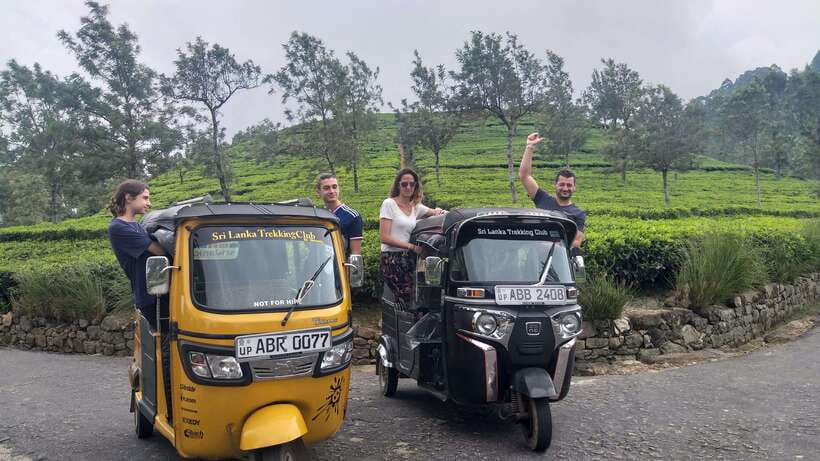
You’re signing up for about 5 hours total, and the “real” structure is simple: ride, viewpoint, plantation break, and factory. Plan to be outdoors for long stretches, and think of it less like a long museum visit and more like a guided half-day in working tea country.
The day typically starts with pickup in the Bandarawela/Haputale area, then a scenic drive that gradually sets the stage for what you’ll see at Lipton’s Seat. From there you’ll walk and hike a bit for photos and views, then transition to tea-plucking and picnic time.
Finally, you’ll head to Dambatenne Tea Factory for a guided visit of about an hour, then wrap up with tea tasting. If you want the best experience, you’ll enjoy this more if you come with the mindset of: wear comfortable clothes, expect walking, and keep your camera ready.
Lipton’s Seat: panoramas and the Thomas Lipton statue
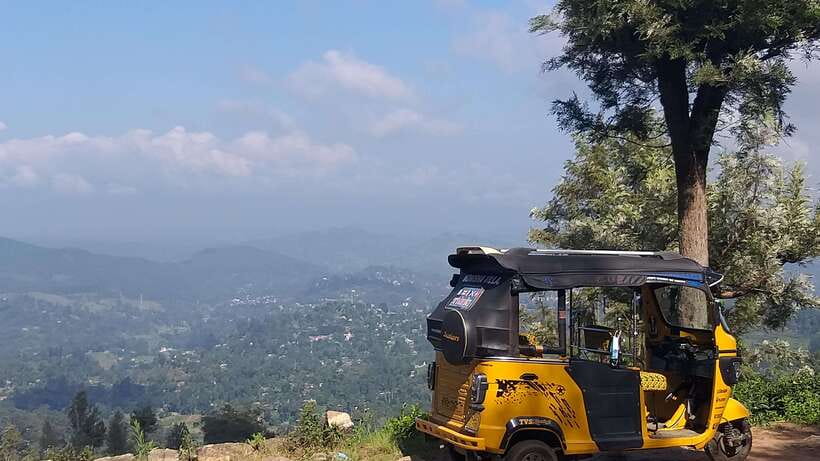
Lipton’s Seat is a viewpoint made famous by its connection to Thomas Lipton, the Scottish businessman who moved to British Ceylon in 1890. The spot includes a life-sized statue of Lipton and a bench area designed for lingering—this is where people stop, sit, and take in the tea-covered slopes.
I like this part because it hits two types of travel satisfaction at once: it’s scenic, and it’s story-based. You’re not just looking at the highlands; you’re seeing the legacy of the tea era that shaped the region.
You’ll have a photo stop and time for sightseeing, and the schedule includes a bit of walking or hiking. That’s a plus for the views, but it’s also why good footwear matters. If you’re someone who gets tired on uneven ground, go slow and take breaks when needed.
Also, the viewpoint sits at the center of the tour theme. From here, it’s easier to understand why tea estates spread across these hills and how tea became one of Sri Lanka’s signature products.
Tea plantation break: plucking leaves and eating where locals work
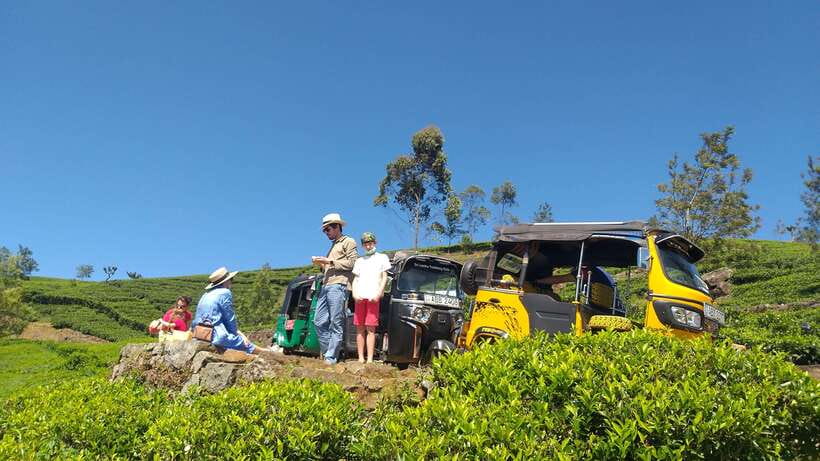
After Lipton’s Seat, the tour shifts into the “real tea” portion: time in the plantation. This is where I found the experience most human. You’ll see tea pluckers at work, and you’ll often have a chance to try plucking yourself.
That hands-on moment is the difference between watching from far away and understanding how the work is done. Tea plucking isn’t complicated, but it is precise, and it makes you appreciate how many small actions go into the final cup.
The tour also builds in a picnic in the plantation. The idea here is simple: take a break in the place where the tea grows. It feels grounded and local, and it gives your legs a rest after the viewpoint walking.
If you’re visiting with kids, it can be a fun day because the tuk-tuk ride and the working plantation environment create lots of natural moments. One guide we’ve seen in action—Nazar—was especially praised for how he kept things friendly and flexible, even taking time to involve a child at the tuk-tuk.
Dambatenne Tea Factory: what processing actually looks like
Then you move from fields to machines at Dambatenne Tea Factory. This factory was built in 1890 by Sir Thomas Lipton, which gives the stop extra weight. It’s one thing to hear tea history; it’s another to see the processing steps connected to that legacy.
The factory visit lasts about an hour and is guided. You’ll learn how tea moves through several stages, including fermentation, rolling, drying, cutting, sieving, and grading. Hearing those steps in sequence helps you understand why different teas have different character—and why the production process is so methodical.
One practical note: factory production can be influenced by the seasonal rhythm of harvest. On at least one visit, production was paused because workers were out in the fields, and the team still made time to show machines and explain the process for the group. So if things look a little different on your day, don’t panic. The goal is education and tea understanding, and guides can sometimes adapt to what’s happening that day.
Even if you’re not a tea nerd, this stop gives you a new lens. After seeing processing steps, you’ll look at tea bags and loose tea differently back at home, because you’ll know where the transformation happens.
Tea tasting and the best way to enjoy the finish
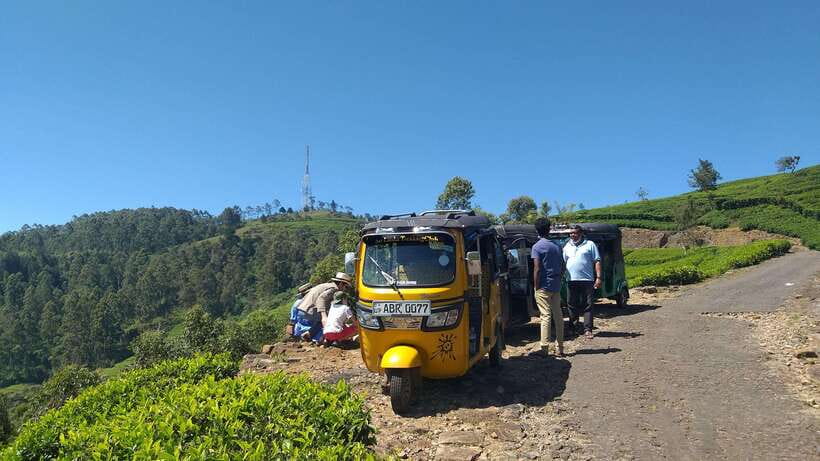
At the end, you’ll get tea tasting and you should expect to enjoy a cup of local tea after the tour. This is a key part of the experience because it closes the loop: plantation → processing → cup.
My advice is to slow down during tasting. The best results come when you pay attention to smell first, then warmth, then taste. You’ll pick up differences more clearly that way, and you’ll feel more connected to what you just saw.
This is also a good moment for photos. You’ll have already shot the viewpoint, but tasting time lets you capture a more relaxed, everyday side of the tea world.
Price and value: is $35 per person worth it?
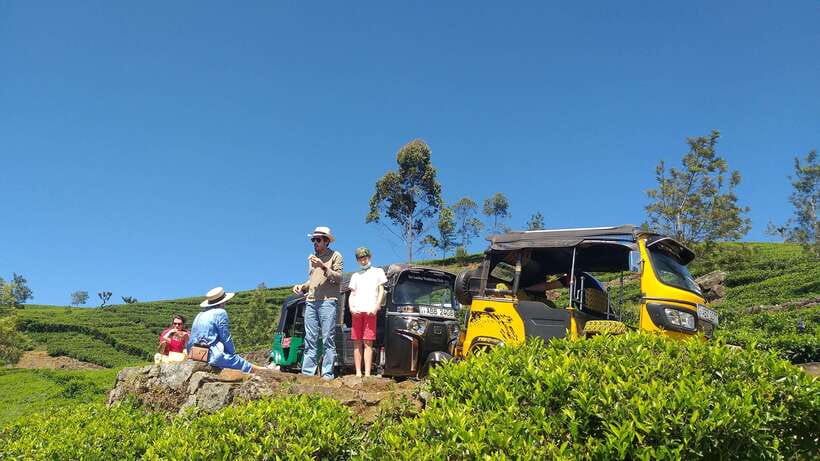
At $35 per person for a roughly 5-hour private, guided experience, the value is about what you get beyond a simple sightseeing drive. You’re paying for three things that are hard to replicate on your own easily:
First, you get the tuk-tuk ride through working tea country, which saves time and keeps the scenery moving at a pace that feels like a story, not a transfer.
Second, you get the practical tea moments: the chance to pluck tea, plus the picnic in the plantation. Those are “experience” items, not just transportation add-ons.
Third, the Dambatenne Tea Factory stop includes a guided explanation of production steps, and the day ends with tea tasting. That combination turns the trip into a full tea education arc, not just a viewpoint tour.
To make it worth it, show up ready to participate: wear the right shoes, bring water, and don’t treat the plucking as a checkbox. If you engage, this tour feels like good, fair value for the time you’re spending and the access you’re getting.
What to bring (and why it matters in the highlands)
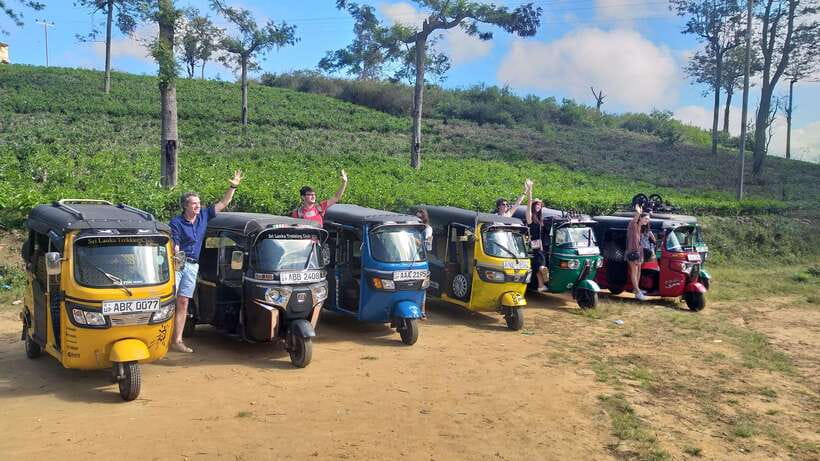
The tour gives you a working outdoors day. Here’s what helps most:
- Comfortable shoes for walking and uneven ground
- Hat and sunscreen for sun exposure
- Water so you stay steady while walking and riding
- Camera for Lipton’s Seat views and plantation scenes
Weather can vary, so dress in layers if you can. Tea country can shift from bright sun to cooler air quickly, and you’ll enjoy the walking more when you’re not too hot or too cold.
And yes—no smoking during the tour. It’s a simple rule, but it helps keep the plantation setting respectful.
Who should book, and who should skip it
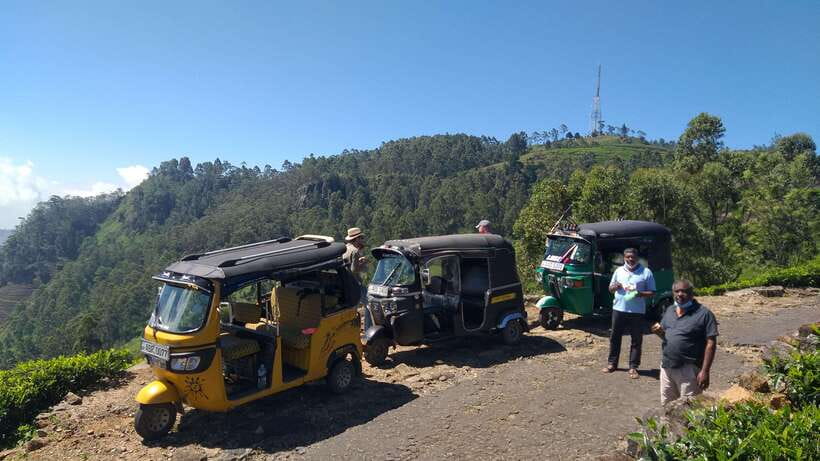
This tour is set up for a half-day of walking and outdoor time, plus riding in a tuk-tuk. It’s not suitable for pregnant women, people with back problems, and wheelchair users. If mobility is a concern, it’s worth taking the walking parts seriously.
If you love tea, local work, and viewpoints, you’ll probably enjoy this a lot. It’s also a strong fit if you want a private guide in English and prefer a day that mixes scenery with real context.
If you’re the type who wants everything indoors and seated, this might feel like too much time outside. But if you’re okay with comfortable walking and heat management, it’s a satisfying day in Sri Lanka’s tea belt.
Should you book this tuk-tuk tea tour?
I’d book this if you want more than a scenic stop. The combo of Lipton’s Seat, tea plucking with tea workers, a plantation picnic, and the Dambatenne Tea Factory visit turns the day into a full tea story you can taste at the end.
Skip it if walking is hard for you or if you know you won’t be comfortable outdoors for a few hours. And go into it expecting that factory timing can vary with harvest conditions, even if the guide makes sure you still get the process explanation.
If you’re traveling with the goal of seeing how tea actually fits into life here, this is one of the best ways to do it in a single half-day.
FAQ
How long is the tuk-tuk tea tour?
The duration is about 5 hours, with roughly 4 to 5 hours of tuk-tuk time through tea plantations as part of the day.
Where do you get picked up?
Pickup is available from the Bandarawela or Haputale area. You share your exact pickup location and preferred time in advance.
Do I need to walk at Lipton’s Seat?
Yes. The day includes sightseeing plus a photo stop and walking/hiking at Lipton’s Seat, followed by additional walking/hiking time.
Is tea plucking included?
You’ll have the opportunity to pluck tea with local tea pluckers during the plantation portion of the tour.
Is there a picnic included?
Yes. The tour includes a picnic in the tea plantation.
Will I be able to taste tea?
Yes. There’s a tea tasting session, and you’ll enjoy a cup of local tea after the tour.
What should I bring?
Bring comfortable shoes, a hat, sunscreen, water, and a camera if you want photos.
Is smoking allowed?
No. Smoking is not allowed during the tour.