REVIEW · ASSISI
The Life of Saint Francis Tour by Tuk Tuk: English & Spanish
Book on GetYourGuide →Operated by ASISIUM TRAVEL · Bookable on GetYourGuide
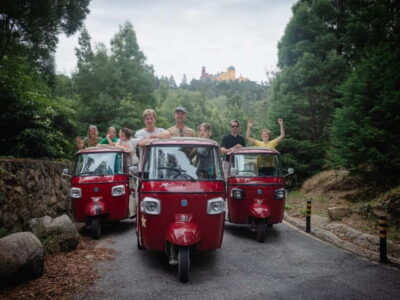
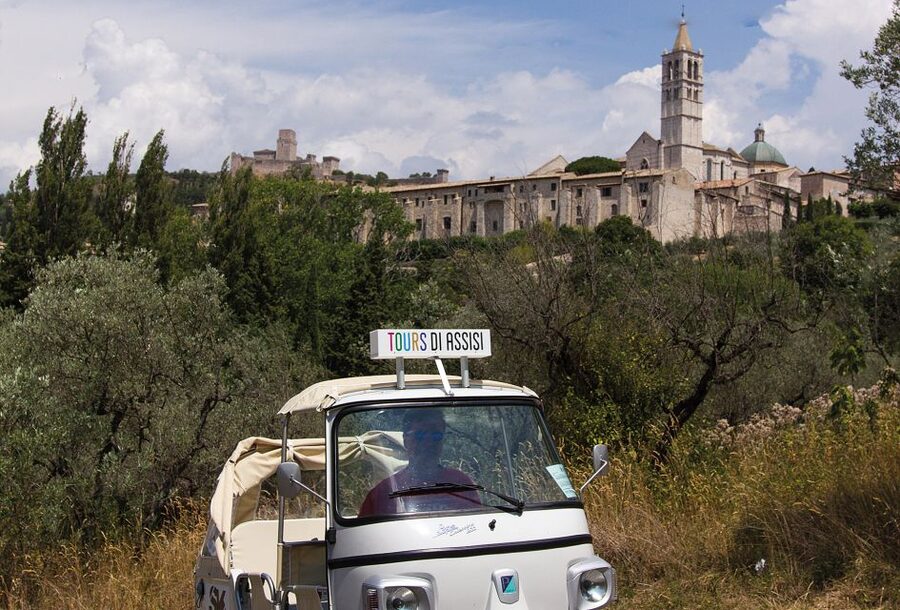
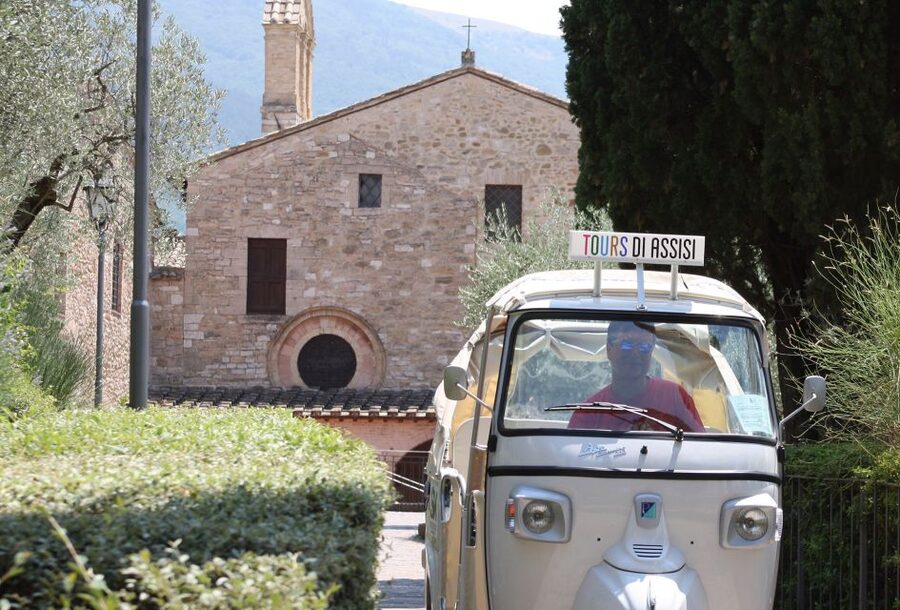
Assisi in a tuk-tuk feels like time travel. This Life of Saint Francis Tour strings together the key places tied to Francis’s story, from his hometown to the Porziuncola, with stops in the tight medieval streets where cars struggle. I love the small-group feel (limited to 4) and the way the guide connects monuments to the choices Francis made. One thing to note: the pace is tour-efficient, so if you want long, slow hangs in every church, you might feel a bit rushed.
The big practical win is the ride itself. You’ll hop on a tuk-tuk that can handle Assisi’s narrows and hills, then hop off to walk just enough to really see what is in front of you. The tour starts either at the Asisium Travel Agency by Porta Nuova or from your hotel, and the driver can work in English and Spanish (with other language options too), including guides such as Daniel, Daniele, and Marco who are repeatedly praised for making the story click.
You’ll finish where the story ends—at the Basilica of St. Francis—after covering the major spiritual and historical waypoints that most visitors only manage in scattered, exhausting bits of sightseeing.
In This Review
- Key highlights at a glance
- Why this Saint Francis tour makes sense in just 3.5 hours
- Getting started: Porta Nuova meeting point and rolling through the old town
- Chiesa Nuova and Piazza del Comune: where the story starts at home
- Piazza Matteotti and San Rufino Cathedral: Roman ruins meet a baptism moment
- Piazza del Vescovado and the Sanctuary of the Stripping: the turning point
- St. Damian, the crucifix, and why you should pay attention to the details
- Rivotorto Sacro Tugurio: humble beginnings before the fame
- Basilica of Santa Maria degli Angeli and the Porziuncola: the end of the life story
- Ending at the Basilica of St. Francis: birthplace, and a must-see detail
- Guide quality is the real product here
- Who should book this tuk-tuk Francis tour
- Should you book?
- FAQ
- Where does the tour meet in Assisi?
- Does the tour pick you up from your hotel?
- How long is the Life of Saint Francis tour?
- What languages are available?
- How many people are in the group?
- What stops are included on the route?
- What should you bring?
- Is it flexible to book or cancel?
Key highlights at a glance
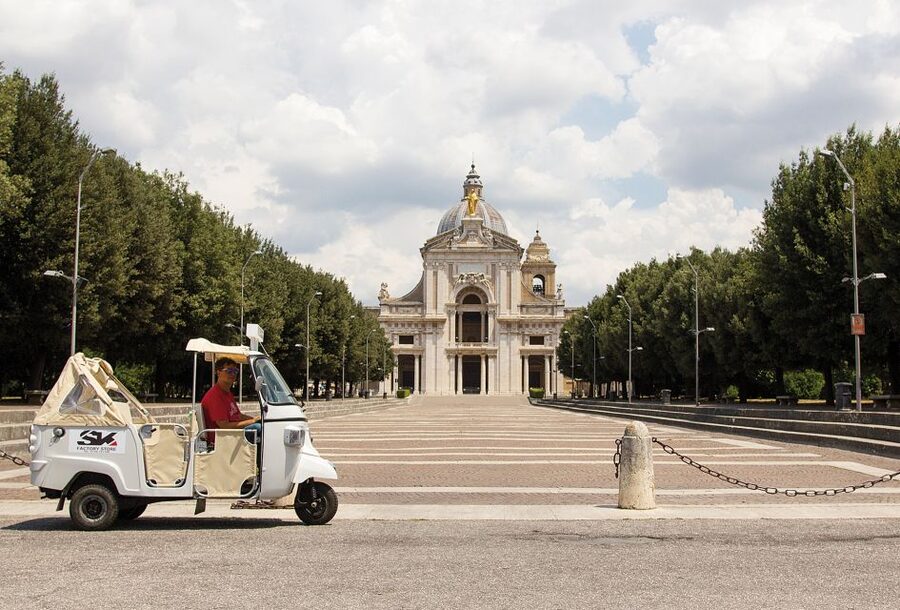
- Tuk-tuk access through Assisi’s narrow lanes without turning your day into a stair workout
- Small group size (max 4) for a more personal pace and Q&A time
- Francis landmarks in one logical route from Chiesa Nuova to the Porziuncola and beyond
- Stops that pair art, architecture, and lived faith instead of just looking at stones
- Guides like Daniel, Daniele, and Marco often praised for storytelling that stays engaging
- You end at St. Francis’s birthplace, with extra time in the area’s most meaningful stop
Why this Saint Francis tour makes sense in just 3.5 hours
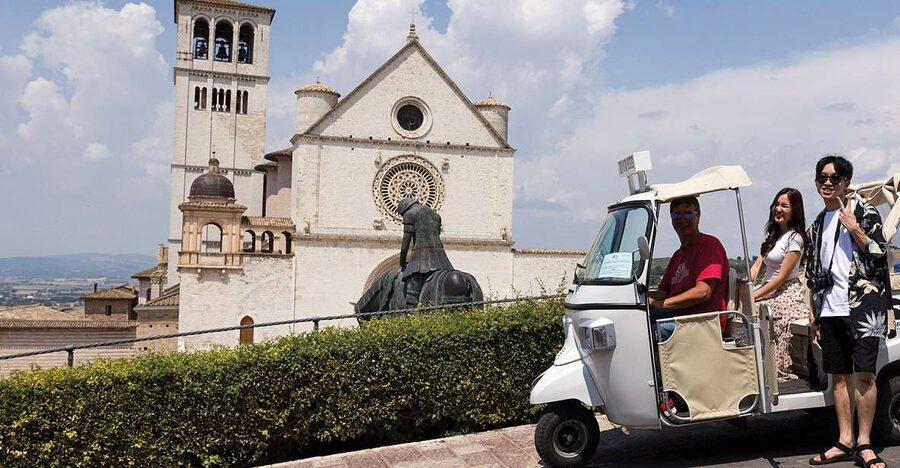
Assisi is built for foot traffic, but it is not built for rushing. This tour solves that by using a tuk-tuk as your “connector,” so you spend more time looking and less time transferring between distant points.
The format also helps you understand the geography. When you move from Piazza del Comune to San Rufino, then down toward Rivotorto and the Porziuncola, you start to see how Francis’s life unfolded across the city—not like a list of sites, but like a sequence of turning points.
That is why the experience is so satisfying for first-timers. You get the big headline places, yes, but you also get help reading them: why certain squares matter, what specific chapels represent, and how the buildings tie to Francis’s choices.
Getting started: Porta Nuova meeting point and rolling through the old town
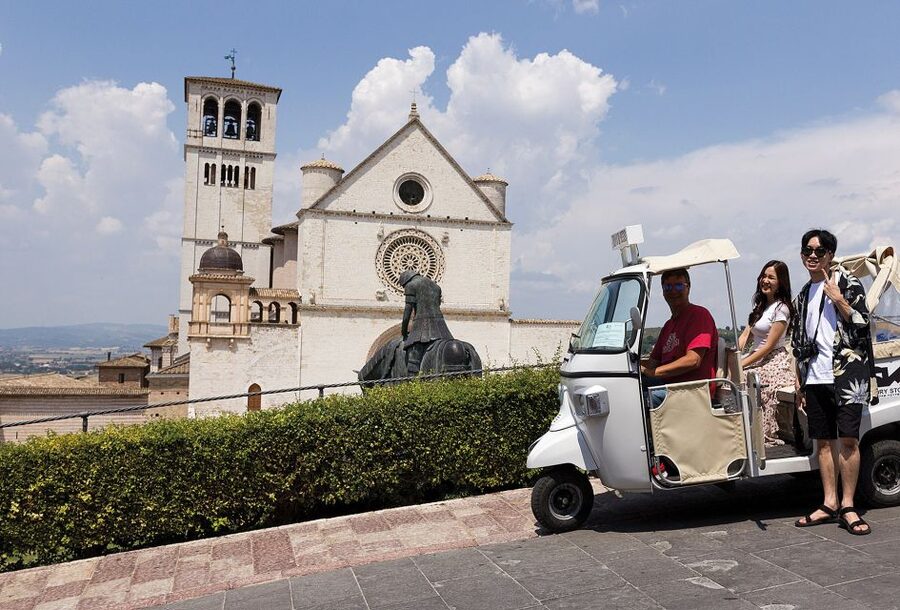
Your tour meeting point is next to the Porta Nuova Medieval Gate (Asisium Travel Agency). If you are staying in Assisi, you may also be able to start from your hotel, depending on the arrangement offered.
Either way, you’ll quickly get the vibe: Assisi’s historic center is tight, layered, and dramatic, and the tuk-tuk gets you into the right neighborhoods without forcing you to slog up and down every hill. The driver keeps things smooth as you glide through sections that are basically a maze on foot.
Practical note: wear comfortable clothes. You will be walking short stretches between stops, plus standing in places where you need to look up at facades, chapels, and altars. If you tend to get stiff, bring layers too, since churches and outdoor squares can feel different in temperature.
Chiesa Nuova and Piazza del Comune: where the story starts at home
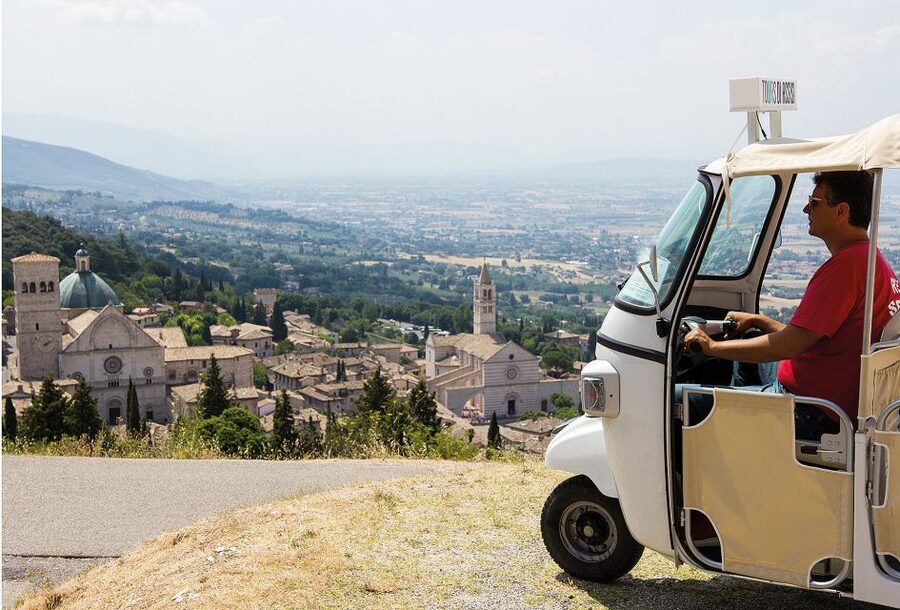
The first major stop is Chiesa Nuova, tied to St. Francis’s home, along with the Parents Statue. This is a helpful start because it grounds the “saint” story in family and origins. You are not yet in the dramatic renunciation scenes; you’re still near the beginning, where human life and local context matter.
From there you’ll head to the Main Square, Piazza del Comune, with Minerva’s Temple nearby. This is one of those places where Assisi’s identity shows up fast: religious devotion sits next to civic space and older Roman-era references. It helps you feel how Francis’s world was part medieval, part classical, and always shaped by the town around him.
A plus here is pacing. Starting with a foundational stop means the later, more emotional scenes land harder—because you already understand what kind of place Francis came from, and what kind of community he belonged to.
Piazza Matteotti and San Rufino Cathedral: Roman ruins meet a baptism moment
Next up is Piazza Matteotti, where you can see the Roman Amphitheater. Even if you only catch portions, it adds an important lens. Assisi did not appear out of nowhere in the Franciscan period. It was built on earlier layers, and that older “Roman” framework is part of why later religious ideas took root there.
Then the tour moves to the Cathedral of San Rufino, where St. Francis was baptized. This is one of the places that turns architecture into meaning. A cathedral is not just a big church; it’s a public declaration of identity, and baptism in particular carries a message about belonging and transformation.
One reason this stop feels worthwhile is that it sits in plain view of the city’s spiritual evolution. You go from an amphitheater—made for crowds and public life—to a cathedral—made for ritual and faith. The switch is the point.
Piazza del Vescovado and the Sanctuary of the Stripping: the turning point
One of the most emotional parts of the route comes at Piazza del Vescovado (Bishop’s Palace area) and the Sanctuary of the Stripping. This is the moment tied to Francis’s decision to give up wealth and status, and the setting matters. The bishop’s palace context gives you the sense of hierarchy and power that Francis was rejecting.
This is also where an attentive guide makes a big difference. The guide can connect what you see—walls, chapels, the feel of the space—to the story of renunciation. You understand that the stripping was not random drama. It was a direct, symbolic break with the expectations of his world.
After that, the tour includes San Damiano and the crucifix. This links Francis to a key spiritual inspiration tied to the early Franciscan movement. If you also get the chance to see the original San Damiano cross in the Basilica of Santa Chiara, as some groups report, that adds an extra layer of impact because you are seeing the object tied to the moment, not just hearing about it.
St. Damian, the crucifix, and why you should pay attention to the details
Don’t treat San Damiano like a quick photo stop. The meaning is in the focus: the crucifix, the devotional space around it, and how Francis’s actions grew out of what he experienced there.
If the tour includes entry to Basilica of Santa Chiara, you’ll likely have the chance to step into a calmer, more intimate atmosphere than the bigger squares. That shift is useful. It gives your day a breath before you move toward the more humble, less “stage-like” scenes such as Rivotorto.
The takeaway for you: look for the guide’s interpretation, not just the objects. When you understand what the crucifix meant to Francis, the whole route feels more connected.
Rivotorto Sacro Tugurio: humble beginnings before the fame
Then comes Rivotorto Sacro Tugurio (Sacred Shrine of Rivotorto). This stop is important because it balances everything that later becomes famous about the Franciscan movement. Before you get the grand basilicas, you see the side of Francis that was about simplicity, struggle, and finding a place to live the way he believed.
The word “tugurio” points you toward that idea: this is not a palace scene. It’s a humble, sacred reminder that the Francis story isn’t only about big churches and ceremonies. It includes messiness and early hardship.
If you like your tours to feel human—less like a museum route and more like a walk through someone’s life—this is one of the stops that likely delivers that.
Basilica of Santa Maria degli Angeli and the Porziuncola: the end of the life story
Next, you head to Basilica of Saint Mary of the Angels and the Porziuncola, where St. Francis died. This is the emotional center of the itinerary, and it’s easy to see why. The Porziuncola is not just another church stop. It’s tied directly to the final chapter.
Even if you’re not in a super religious headspace, it’s still a powerful place to slow down. The architecture and devotional focus naturally pull your attention inward. You also learn how this end-point anchors the Franciscan identity that spread outward from Assisi.
Some groups specifically call out the value of being able to enter the Basilica di Santa Maria degli Angeli, which is a big deal here. Seeing a site only from outside can leave you with just impressions. Entry helps you feel the space the way the faithful do.
Ending at the Basilica of St. Francis: birthplace, and a must-see detail
The tour ends at the Basilica of St. Francis, his birth place. This is a great final move because it completes the circle: you started grounded in origin, and you end where his life is commemorated.
One standout detail that shows up in guide storytelling is the thornless Rose bush associated with St. Francis. If you’re given time to spot it and hear what it symbolizes, it’s one of those small things that makes the end feel personal instead of purely monumental.
Before you head off on your own, take a moment to do the one smart tourist thing: look up, then look around, then look back toward what your guide explained. That three-step routine helps your brain connect the visual details to the narrative you just heard.
Guide quality is the real product here
This tour is praised heavily for the guide, and you should treat the guide as the main ingredient. In multiple experiences, guides such as Daniel, Daniele, and Marco are singled out for having a lot to say without turning it into a boring lecture.
Here’s what you’re really buying: a local perspective that makes Assisi feel legible. When your guide is from the Assisi area, the city stops being generic. You get the sense of how locals read the stones—how they connect places to moments, and how they explain meaning in everyday language.
If you want an experience where history isn’t a random list, this tour is built for you. The best moments tend to be the ones where you get both context and a clear reason to care.
Who should book this tuk-tuk Francis tour
Book it if you want a guided Assisi day that ties together art, devotion, and geography. It’s especially good for:
- First-time visitors who want the major Franciscan sites in a smart route
- People who don’t want a full day of steep walking
- Couples and small groups who like asking questions and hearing the story explained in your language
You may want a different style of tour if you prefer long, independent exploration with lots of free time in each church. This one is designed to move, connect, and explain.
Also, if your priorities are very specific—like making sure you spend extra time in a particular basilica—plan to tell your guide what matters most, so the final moments don’t slip by while you’re trying to decide.
Should you book?
Yes, if you want the Francis story to feel like a path you can follow, not a checklist. The tuk-tuk helps you cover the right areas without turning Assisi into a leg-day punishment, and the tiny group setup keeps the experience from feeling crowded or rushed.
If you are the type who needs hours inside each church to fully soak it in, consider whether 3.5 hours is enough for your style. For most people, though, this tour hits a sweet spot: meaningful stops, strong guidance, and a route that makes Assisi’s religious sites actually connect to each other.
FAQ
Where does the tour meet in Assisi?
The meeting point is next to the Porta Nuova Medieval Gate, at the Asisium Travel Agency.
Does the tour pick you up from your hotel?
You can depart either from the Asisium Travel Agency or from your hotel in Assisi.
How long is the Life of Saint Francis tour?
The tour lasts 3.5 hours.
What languages are available?
Drivers can work in English, Italian, Spanish, and French. The tour is listed as English & Spanish.
How many people are in the group?
It’s limited to 4 participants.
What stops are included on the route?
The tour includes Chiesa Nuova (St. Francis’s Home) and the Parents Statue, Piazza del Comune (with Minerva’s temple), Piazza Matteotti and the Roman Amphitheater, the Cathedral of San Rufino, Piazza del Vescovado and the Sanctuary of the Stripping, St. Damian and the crucifix, Rivotorto Sacro Tugurio, Basilica of Saint Mary of the Angels with the Porziuncola, and it ends at the Basilica of St. Francis.
What should you bring?
Wear comfortable clothes and bring a credit card.
Is it flexible to book or cancel?
Free cancellation is available up to 24 hours in advance for a full refund, and you can reserve now and pay later.