REVIEW · PRETORIA
Soweto by Tuk-Tuk
Book on Viator →Operated by One Day Africa · Bookable on Viator
Two wheels, big stories. This Soweto by Tuk-Tuk tour is a fast, practical way to see major apartheid-era sites while getting your bearings with a local guide. I especially loved the Vilakazi Street segment, with stops tied to both Nelson Mandela and Archbishop Desmond Tutu, plus the human-scale explanations that make the history feel real. Another standout is the food: you’ll pause for local lunch at Chaf Pozi, and end with a chance to try a classic kota.
The one thing to think about is the pace. In about 2 hours 30 minutes, you cover a lot of ground and you’ll do walking segments, so plan on comfortable shoes and an open mind for tough subjects.
In This Review
- Key highlights to watch for
- Riding through Orlando West to get your bearings fast
- Vilakazi Street: where Mandela and Desmond Tutu meet in one route
- Lunch at Chaf Pozi between Soweto towers
- Orlando East and the contrast between formal and informal housing
- Women’s activism on the route: the women’s hostel and Mama Lilian Ngoyi
- Hector Pietersen Museum: seeing the Soweto uprising as a turning point
- The walking parts: what to expect and how to plan
- Price and value: what you’re paying for at $53.77
- Meeting point, mobile ticket, and getting in the right mindset
- Who this tuk-tuk Soweto tour fits best
- Should you book Soweto by Tuk-Tuk?
- FAQ
- How long is the Soweto by Tuk-Tuk tour?
- Where does the tour start and end?
- What is included in the price?
- What isn’t included?
- Is the tour private or shared?
- Do I get a mobile ticket?
- Is admission to Mandela House included?
- What happens if I cancel?
- What if the tour can’t run due to minimum travelers?
Key highlights to watch for

- Tuk-tuk transport through different neighborhoods makes the contrasts easier to spot without feeling rushed in traffic
- Vilakazi Street links two major Peace Prize winners and explains why this street matters
- Mandela House stop includes admission time (so you’re not just passing by)
- Hector Pietersen Museum connects directly to the Soweto uprising as a turning point in apartheid’s endgame
- Mama Lilian Ngoyi’s family home and women’s hostel history add depth beyond the biggest-name figures
- Lunch at Chaf Pozi plus a kota finish gives you real local food in the middle of the route
Riding through Orlando West to get your bearings fast
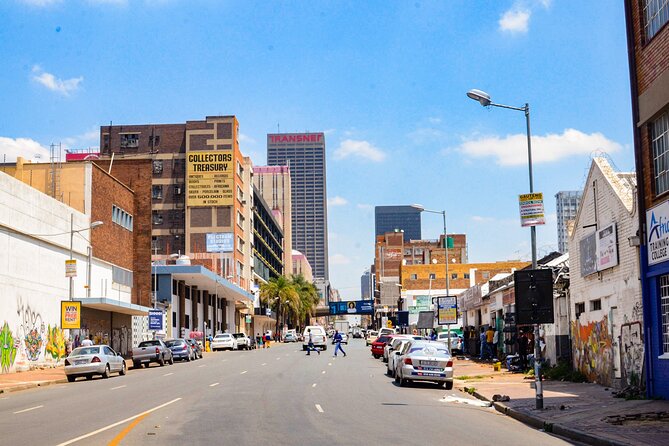
I like tours that help you understand where you are. This one starts in Orlando West, at the meeting point on Moema Street & Rampa Street, and it’s set up so you don’t just “see” Soweto—you build a mental map quickly.
The guide begins with an overview of how the township formed and what Johannesburg’s larger story looked like at the time, including the township’s establishment dating back to 1886. That early framing matters because later stops won’t feel like random landmarks. You’ll understand why specific houses, museums, and streets became important, and what forces shaped daily life for different communities.
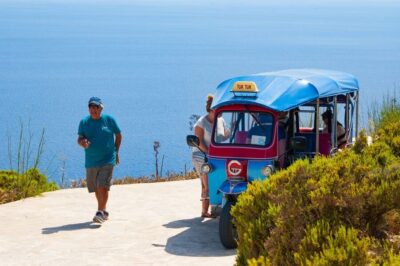
And yes, the tuk-tuk helps. It’s a different kind of travel than a car or minibus because you’re moving at a human scale. You also get more chances to notice the changing character of streets and homes as you head from one area to another.
Vilakazi Street: where Mandela and Desmond Tutu meet in one route
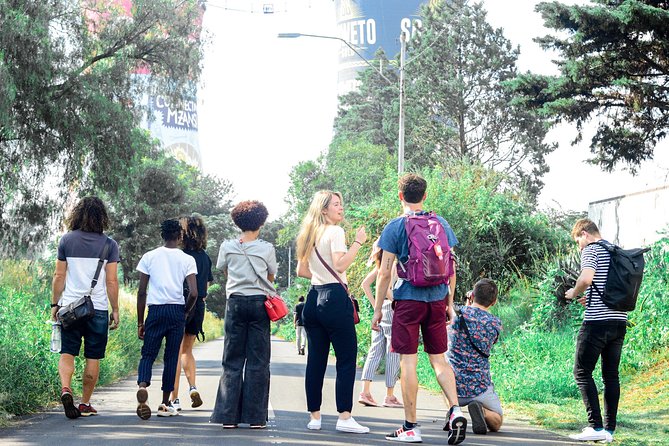
The centerpiece is Vilakazi Street, and the tour makes good use of time here. You’ll take a stroll with your local guide as they explain why Vilakazi Street is so well known and how it became a place associated with major global figures.
You’ll visit Mandela House with admission included, and you’ll also see Archbishop Desmond Tutu House on the same famous street. The point isn’t just that two Nobel Peace Prize recipients lived there. The guide connects their stories to the broader struggle against apartheid and the lead-up to change in South Africa.
For you, this is where the tour becomes more than sightseeing. The walk gives you a sense of place: street level, close enough to feel the neighborhood context around the historic homes. Even if you’ve read about Mandela and Tutu before, the guide’s local perspective makes the links between everyday life, activism, and eventual political change easier to hold onto.
Lunch at Chaf Pozi between Soweto towers
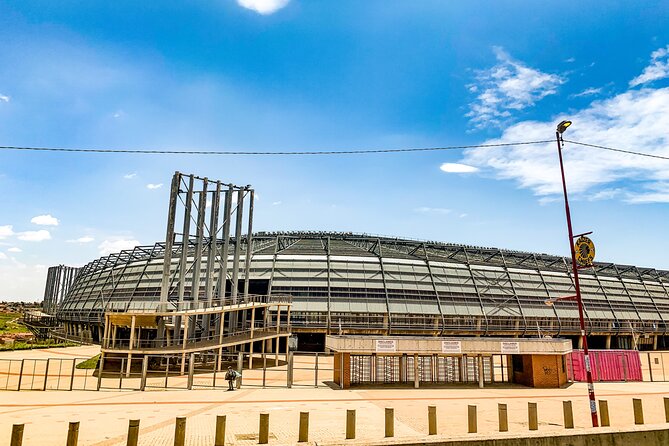
Food stops are sometimes filler on tours. Not here. Lunch is built in at Chaf Pozi, positioned between the famous Soweto towers. That means you’re not just eating—you’re also getting a natural pause in the day, with a clear visual reference point.
Lunch is included, and you’ll also have bottled water. I like that the tour doesn’t treat hydration as optional, especially when you’re outdoors and walking some parts.
If you’re hungry, this is a well-timed reset. You’ve already started learning the history, and now you get a proper break before heading toward more emotionally heavy stops later, including the Soweto uprising museum.
Orlando East and the contrast between formal and informal housing
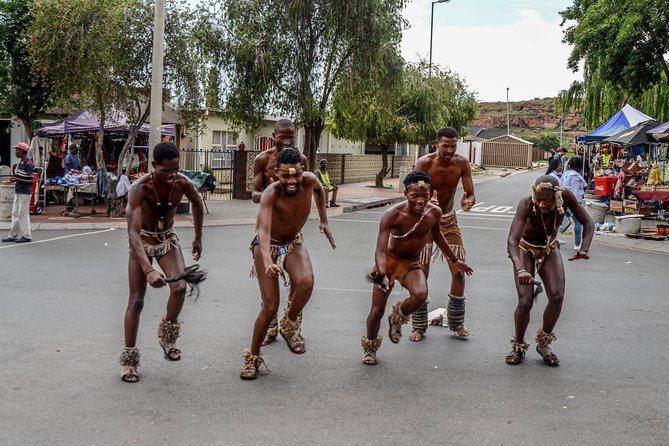
After the Vilakazi Street segment, the route shifts to other parts of Soweto, including Orlando East. The tour includes an explanation of how Orlando East became part of the area’s “first formal houses,” and then it moves into the realities of housing challenges by visiting an informal settlement.
This is one of the most important parts of the experience, and it’s also where you should keep expectations sensible. Housing conditions vary widely, and a short visit can never show you everything. But the guide’s goal is clear: you should walk away understanding that apartheid didn’t only affect laws—it shaped where people could live, how communities grew, and what resources they had access to.
It’s also one of the segments that will likely stay with you longer than the headline names. If you’re the type of traveler who wants the social side of history—not only the politics—this contrast-based approach is exactly what you’re after.
Women’s activism on the route: the women’s hostel and Mama Lilian Ngoyi
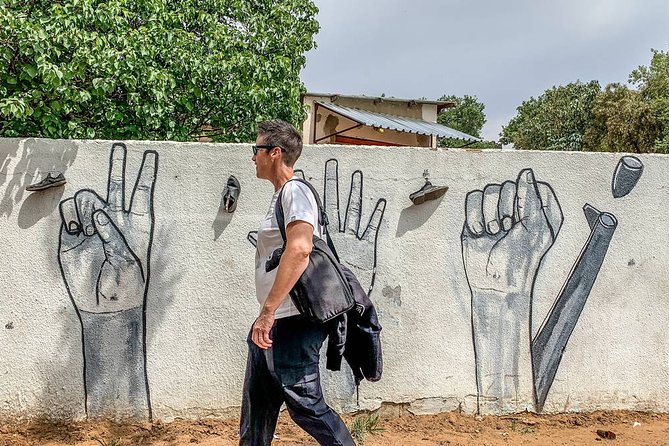
One of the best ways to understand apartheid-era South Africa is to look beyond the usual faces. This tour does that by including stops connected to anti-apartheid activism by women.
You’ll visit a former Women’s hostel and then go to Mama Lilian Ngoyi’s family home, named for the activist who played a major role in resistance. By placing these stops within the same tour as major events and homes of famous men, the guide reinforces a simple idea: change happened through many kinds of leadership, not just the most televised.
You’ll likely notice how the tour’s storytelling stays grounded in people’s lives—where they lived, what they organized, and how activism showed up in community spaces. If you want a Soweto experience that’s not limited to a single “great man” narrative, this section is a real win.
Hector Pietersen Museum: seeing the Soweto uprising as a turning point
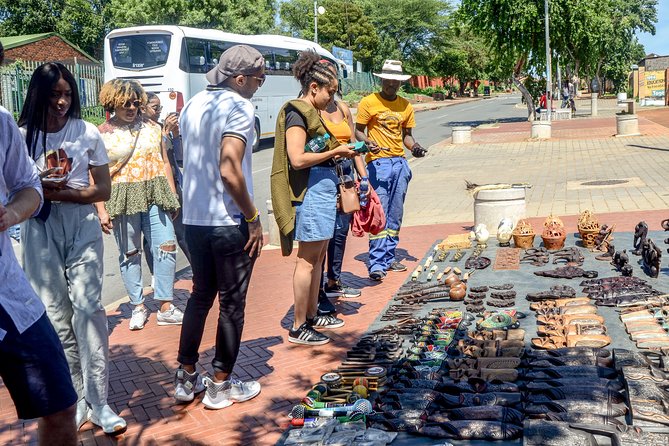
The tour then heads to the Hector Pietersen Museum, tied directly to where the Soweto uprising took place. This is described as one of the turning points in the apartheid story, and the museum stop is a meaningful way to connect the dots between protest, resistance, and political change.
Museums can be hit-or-miss on tours, depending on how much time you’re given and whether there’s a guide to explain what you’re looking at. In this case, the tour is built around guided context, so you’re not left standing around wondering what matters.
I also like that this stop isn’t presented as “just history.” It’s framed as a shift—a point when resistance gained momentum and broader attention. That framing helps you understand why later political outcomes weren’t sudden. They were part of an arc that included real risk and real community action.
The walking parts: what to expect and how to plan

Even though it’s a tuk-tuk tour, don’t treat it as a fully seated ride. You’ll do walking segments, including time around the township and a stroll with your guide on key streets.
That matters for comfort. You’ll want:
- Comfortable shoes for walking
- A light layer if weather changes during the day
- A mindset ready for serious topics, since the route connects to apartheid and uprisings
If you’re traveling with limited mobility, this may feel like a lot for your body in 2.5 hours. The tour does state most travelers can participate, but “most” still leaves room for personal fit. If you’re unsure, you’ll be better off asking the operator how much walking is expected for your group.
Price and value: what you’re paying for at $53.77
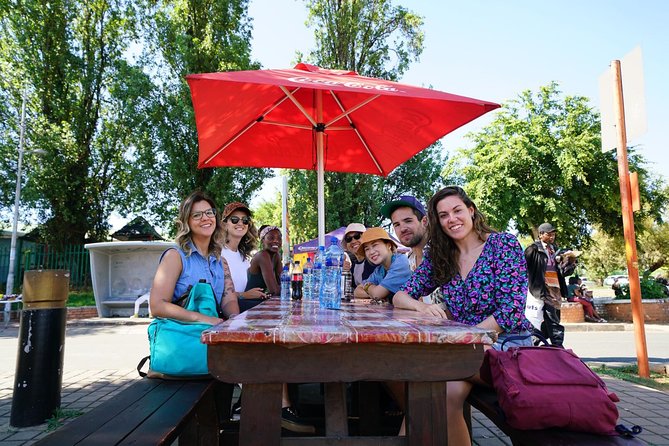
At $53.77 per person, this is not a “cheap and cheerful” tour in the sense of cutting corners. The value comes from what’s included and what’s not.
Included:
- LunchLocal Lunch at Chaf Pozi
- Bottled water
- Private transportation plus a driver/guide
- Admission included for Mandela House
Not included:
- Personal expenses
- All additional items and cost
So you’re paying for a timed, guided route that includes an admission stop and a full lunch—things that add up quickly if you try to DIY it. You’re also getting private tour service, meaning only your group participates, which usually improves the pace and question time.
One more value point: the schedule is efficient. With a total duration around 2 hours 30 minutes, you can slot it into a day without losing half your time to transfers and waiting. If you only have a short window in the area, this kind of focused route often beats trying to stitch together multiple sites on your own.
Meeting point, mobile ticket, and getting in the right mindset
The tour starts back at the same place it meets: Moema Street & Rampa Street in Orlando West. It’s also noted as near public transportation, which can help if you’re already moving around Johannesburg/Soweto and want an easier connection.
You’ll receive a mobile ticket, so you can keep things simple on your phone. That matters when you’re in neighborhoods where you don’t want extra hassle right before a guided walk.
My advice: treat this like an education walk, not a photo safari. Yes, you’ll see important landmarks, but the real payoff is the guide’s explanations—especially when they connect homes, museums, and neighborhoods to how apartheid reshaped life.
Who this tuk-tuk Soweto tour fits best
This is a strong choice if you:
- Want a history-heavy Soweto experience without spending the whole day
- Like guided context at key sites like Mandela House and Hector Pietersen Museum
- Prefer doing some walking but still want the route covered efficiently by tuk-tuk
- Appreciate stories that include women’s activism such as Mama Lilian Ngoyi
It may be less ideal if you:
- Want a purely scenic ride with minimal walking
- Struggle with tough historical topics or need a lighter emotional load
- Are sensitive to pace and prefer long museum time over a mixed route
Should you book Soweto by Tuk-Tuk?
I’d book it if you want an efficient, guided way to connect the dots across Soweto’s most important apartheid-era sites, including time at Mandela House and a stop at Hector Pietersen Museum. The included lunch and the tuk-tuk format help keep the experience moving without feeling like a rushed checklist.
If you’re the type of traveler who likes asking questions and learning from a local guide—and you don’t mind that the day includes serious history—this tour is a very solid value. Just come prepared with comfortable shoes and a respectful, open mindset.
FAQ
How long is the Soweto by Tuk-Tuk tour?
It runs for about 2 hours 30 minutes.
Where does the tour start and end?
It starts at Moema Street & Rampa Street in Orlando West, Soweto, and it ends back at the same meeting point.
What is included in the price?
Lunch at Chaf Pozi, bottled water, private transportation, a driver/guide, and admission ticket for Mandela House are included.
What isn’t included?
Personal expenses and any additional items and costs are not included.
Is the tour private or shared?
This is a private tour/activity, with only your group participating.
Do I get a mobile ticket?
Yes, it’s listed as a mobile ticket.
Is admission to Mandela House included?
Yes, admission is included and you’ll have about 30 minutes at Mandela House.
What happens if I cancel?
Free cancellation is available up to 24 hours in advance for a full refund. If you cancel less than 24 hours before the start time, you won’t get a refund.
What if the tour can’t run due to minimum travelers?
If it’s canceled because the minimum number of travelers isn’t met, you’ll be offered a different date/experience or a full refund.