REVIEW · SINTRA
Sintra: Full-Day Guided Tuk-Tuk Tour
Book on GetYourGuide →Operated by Discover Sintra · Bookable on GetYourGuide
Sintra by tuk-tuk feels like a movie. This full-day guided route stitches together palaces, castles, and coastline into one efficient 7-hour plan, with guides who turn names on a map into stories you can actually follow.
What I like most is the expert storytelling—the kind that makes stops feel connected, not like a checklist. I also love the photo-and-walk rhythm: you get guided time plus chances to step out, frame the views, and linger when something clicks (and guides like Johnny and Marko are described as friendly, calm, and focused on the best spots). The one real drawback to plan for: entrance tickets aren’t included, so you’ll need extra budget for palace/castle entry, on top of the tour price.
In This Review
- Key things to know before you go
- The point of a tuk-tuk day in Sintra
- Meeting up in Sintra and heading into the Sintra-Cascais Natural Park
- Fountain of Sabuga: a small start that sets the tone
- National Palace of Sintra: your first big anchor
- Chalet Biester and Chalet Relógio: two stops, one theme
- Valley of the Lakes: a scenic break between major monuments
- Moorish Castle: build your “view-first” mindset
- Pena Palace: the day’s emotional peak
- Quinta da Regaleira and Quinta Relógio: estate time with breathing room
- Seteais Palace and Monserrate Palace: details and atmosphere
- Village of Colares, Sintra: slow down and see local life
- Adega de Colares wine factory: a taste of the region
- Cabo da Roca: where you look far, then feel small
- One Sintra beach option: Praia da Adraga, Praia Grande, Praia Pequena, Praia das Maçãs, or Azenhas do Mar
- Boca do Inferno and Cascais: the grand finale with variety
- What’s included, and what you should budget for
- Price and value: why $147 can be fair for this route
- Who this tour fits best
- Should you book this Sintra tuk-tuk tour?
- FAQ
- How long is the Sintra full-day guided tuk-tuk tour?
- Is this tour private?
- Which languages are available for the live guide?
- Are entrance tickets included?
- Do you offer hotel pickup in Sintra?
- Is it suitable for children and people with back problems?
Key things to know before you go

- Private tuk-tuk pacing across multiple Sintra highlights without the constant in-and-out of public transit
- Multilingual guides (Portuguese, Spanish, Georgian, German, French, Italian, English, Russian) so you won’t lose details
- Photo opportunities built into the day so you’re not sprinting between viewpoints
- Coastline finish with Cabo da Roca, a selected Sintra beach option, Boca do Inferno, and Cascais
- Entrance tickets are separate, so your total cost depends on which sites you choose to enter
The point of a tuk-tuk day in Sintra
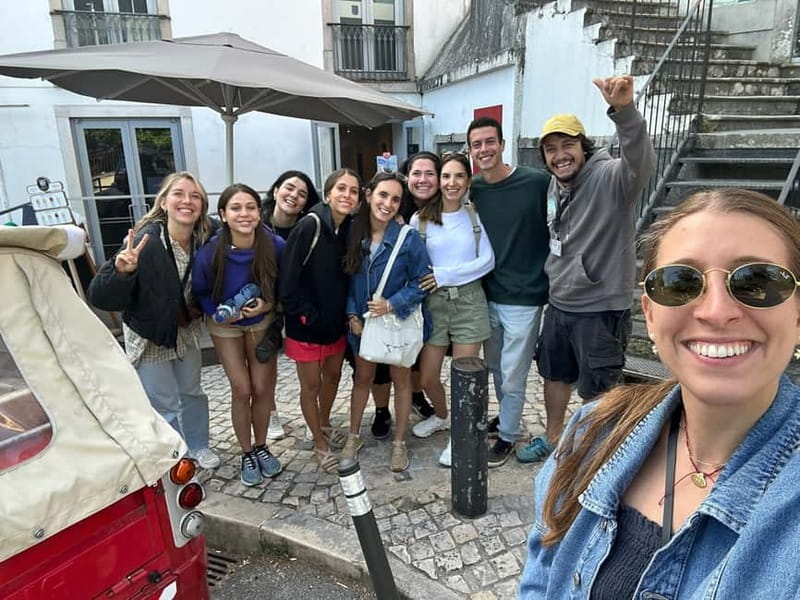
Sintra is gorgeous, but it’s also a place where walking can stack up fast. A tuk-tuk-style tour helps you keep your energy for the moments that matter: viewpoints, palace fronts, and cliffside stops where you’ll want time to look longer than your phone timer allows.
This also changes the tone of the day. Instead of racing through a highlight list, you get a structured route with guidance. That means you spend less time guessing what order makes sense and more time understanding what you’re seeing.
You can also read our reviews of more tours and experiences in Sintra.



Meeting up in Sintra and heading into the Sintra-Cascais Natural Park
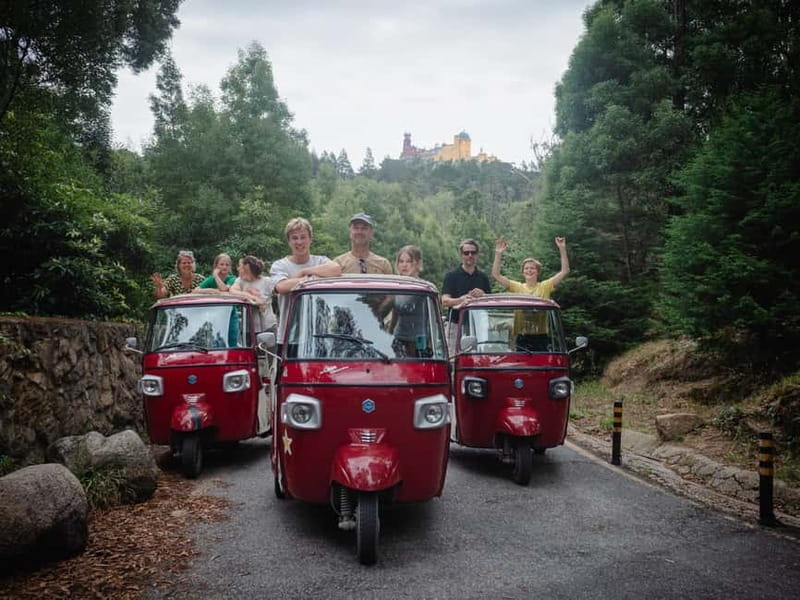
Your day starts with pickup in Sintra (hotel pickup is optional) and then you head into the Sintra-Cascais Natural Park area for a guided orientation and photo stops. That early push is smart. It helps you get your bearings quickly, so later you’re not just admiring buildings—you’re placing them in context.
Natural park time is also useful because it breaks up the “palaces, then palaces again” feeling. Even if you’re only stopping briefly at certain viewpoints, the rhythm helps the day feel like a journey rather than one long museum crawl.
Fountain of Sabuga: a small start that sets the tone
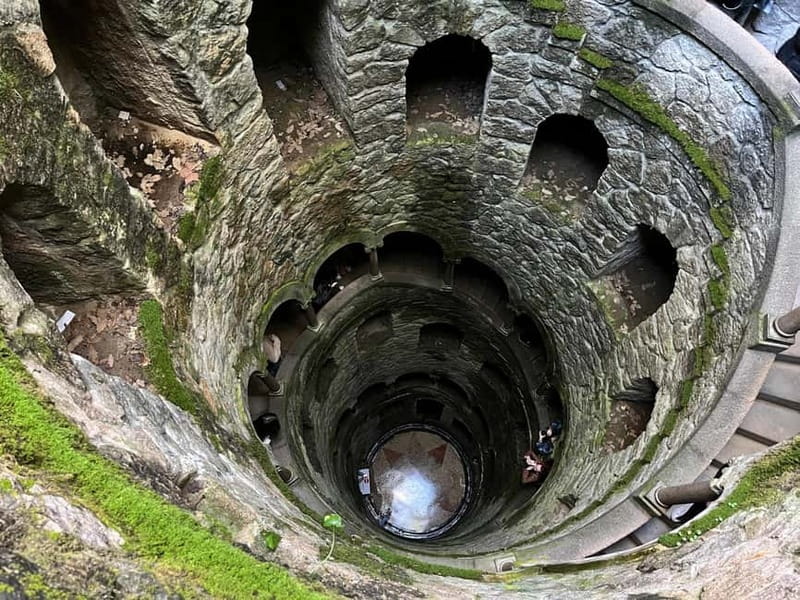
The route includes a stop at the Fountain of Sabuga. It’s the kind of stop that works well early: quick, scenic, and a calm way to ease into Sintra’s atmosphere before bigger-ticket sights.
If you like tours that don’t jump immediately into the biggest names, this first leg is a good sign. You’ll get guided context and a chance to pause for photos without feeling like you’re already late for the main event.
National Palace of Sintra: your first big anchor
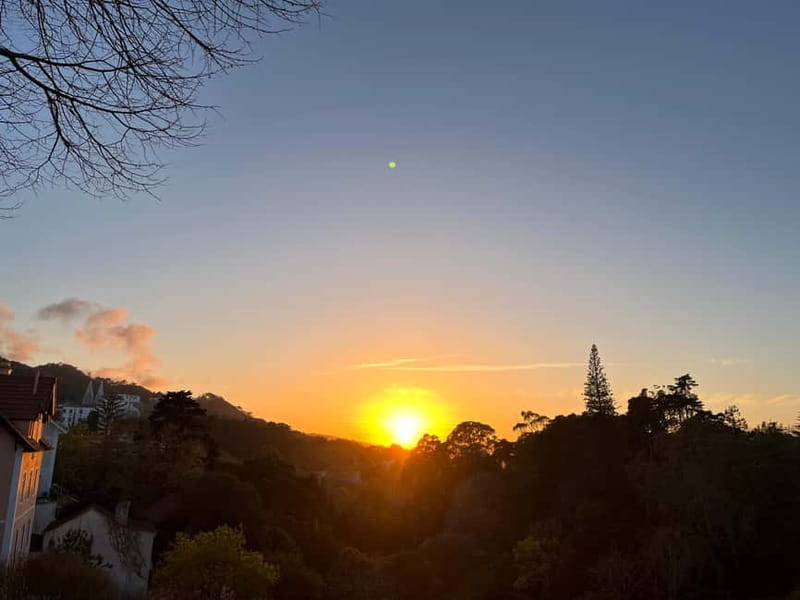
Next comes the National Palace of Sintra. Even if you’re not the type to memorize architectural terms, palace stops are where you start seeing why Sintra became a magnet for visitors.
The value here isn’t only the building. It’s the guided structure around it—time to look, photo moments, and explanations that keep you oriented. If crowds ever drain your patience, a private group format helps you move at a pace that feels more humane.
Practical tip: wear shoes you can walk in. Even short guided walks and stairs around major sights add up across a full day.
Chalet Biester and Chalet Relógio: two stops, one theme
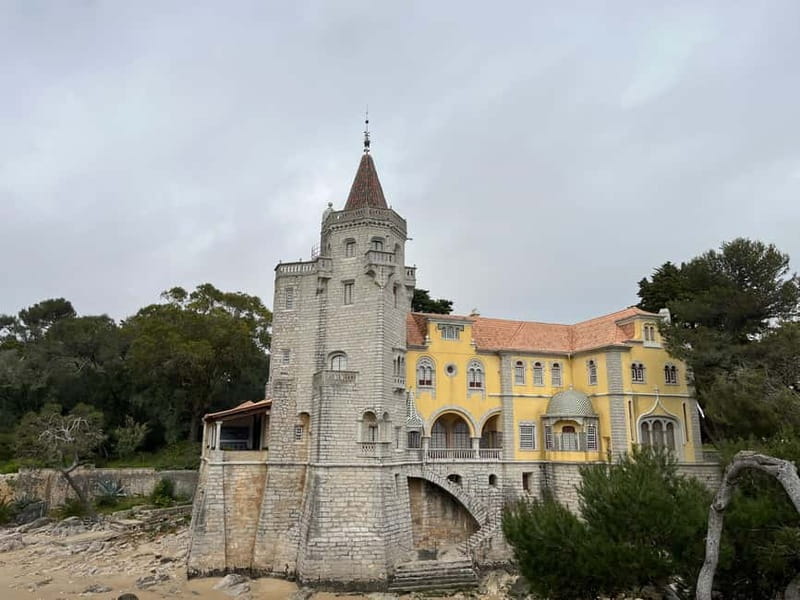
After the main palace anchor, the tour swings to Chalet Biester and Chalet Relógio. Two chalet stops back-to-back is a deliberate move. It lets you compare instead of just ticking boxes.
These sorts of smaller sights can be a relief. They often feel less overwhelming than the large complexes, and your guide can slow things down for you—useful when you want to actually look at details rather than just shoot and go.



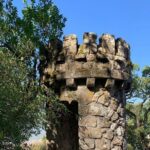
Valley of the Lakes: a scenic break between major monuments
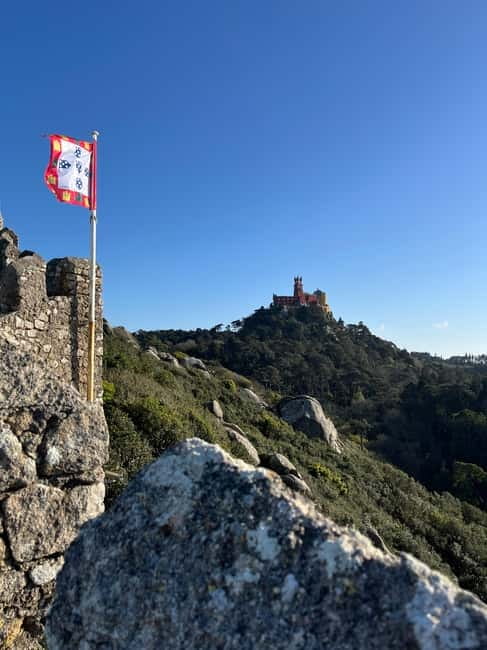
Then you reach the Valley of the lakes. Think of this as your reset button. When the day starts to stack palaces and castles, a scenic valley stop gives you open-air breathing room and a different kind of view.
This is also a nice pacing move for photos. You’ll want time to look outward, not only up at buildings. If the weather is clear, this is often the kind of stop where your camera roll improves dramatically with minimal effort.
Moorish Castle: build your “view-first” mindset
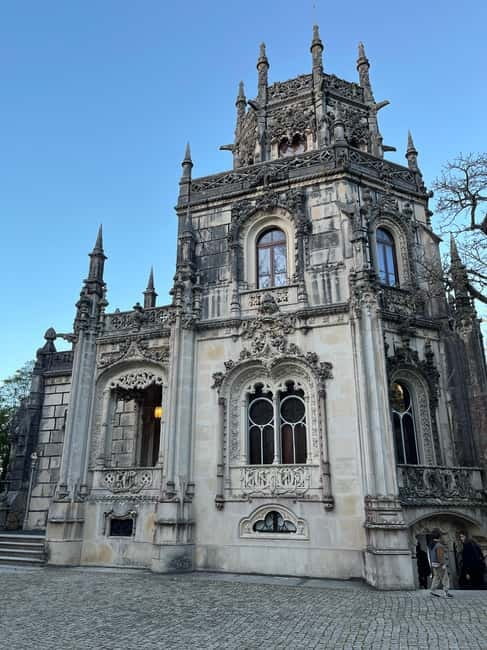
The route includes Moorish Castle. Castle stops in Sintra tend to reward a view-first approach: arrive, take in the panorama, then let the guided explanation settle in once you can see the terrain you’re standing on.
A tour like this helps you avoid the classic mistake—getting to a castle and realizing you didn’t plan any time to actually look. Here, you’re given sightseeing time and photo opportunities, so you can spend less of your energy multitasking.
Pena Palace: the day’s emotional peak
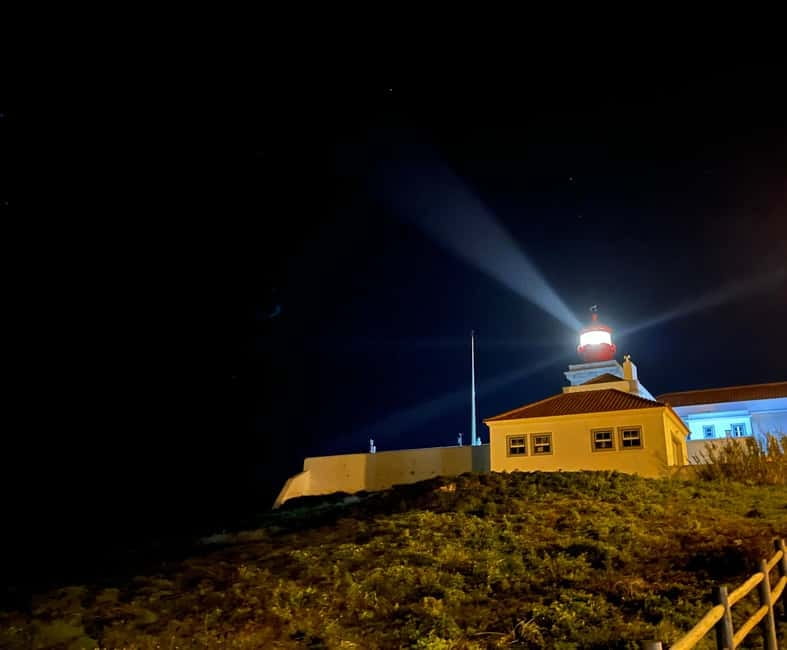
Next is Pena Palace, one of those places that people remember long after the trip. This stop is where the Sintra feeling becomes most obvious: big presence, dramatic views, and that “how is this real?” reaction.
You’re not just dropped off. You’re guided through it, with time to pause for photos. For me, the best part of guided palace time is how it keeps your focus from scattering. You learn what to pay attention to while you’re looking.
Wear layers. Even on days that start mild, palace and hilltop areas can change quickly.
Quinta da Regaleira and Quinta Relógio: estate time with breathing room
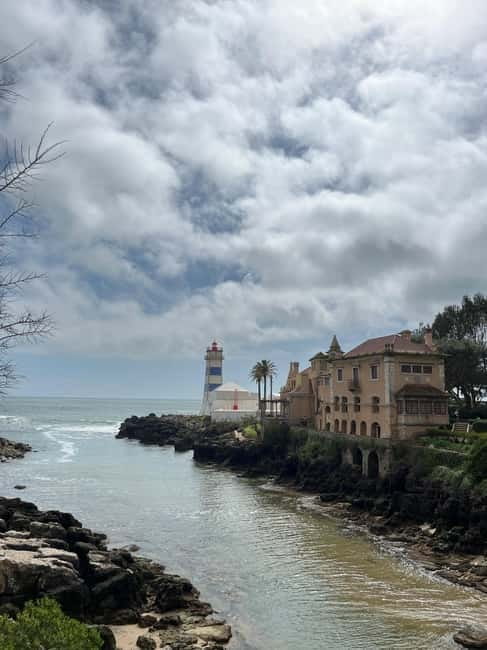
After the castle/palace intensity, the itinerary includes Quinta da Regaleira and Quinta Relógio. “Quinta” stops tend to be about experience as much as architecture—more space to wander, and more chances to find angles for pictures.
This is also where a guide’s pacing matters. A good guide helps you decide what’s worth extra minutes without making you feel rushed. That matters on a 7-hour day, when you’re balancing entry lines (when you pay them) with time for the views outside.
Seteais Palace and Monserrate Palace: details and atmosphere
The tour then reaches Seteais Palace and Monserrate Palace. These stops work well when you like variety. They add different visual moods, and they give you more “wow” moments without repeating the same exact type of shot.
If you’ve ever felt like palace tours blur together, a guided route that spaces out monuments can help you remember them as separate experiences. You’ll also appreciate the photo opportunities—these places are designed for viewing from multiple angles.
Village of Colares, Sintra: slow down and see local life
Now you shift gears with a stop in the Village of Colares, Sintra. This matters because it breaks the pattern of only seeing royal and historic structures. A village stop gives you a sense of place beyond the big-ticket sights.
Even if you only have limited time, the value is in the contrast. By this point you’ve seen dramatic highlights; Colares helps your brain transition into “people actually live here” mode.
Adega de Colares wine factory: a taste of the region
Next is Adega de Colares (a wine factory stop). The tour includes it as part of the full-day pacing, which I like. You get a local-food-and-drink element that feels connected to the region rather than tacked on.
This is also a smart way to keep energy up after more walking and viewing time. It gives your day texture, and it’s a nice option if you want one part that isn’t only visual.
Cabo da Roca: where you look far, then feel small
The itinerary then heads to Cabo da Roca, one of the stops that naturally changes your perspective. Coastal cliff viewpoints are often the moment you stop trying to control the camera and start watching the water and horizon instead.
A full-day plan that reaches this kind of viewpoint is doing something right. It ensures you don’t end your Sintra day still thinking only about palaces and castles.
One Sintra beach option: Praia da Adraga, Praia Grande, Praia Pequena, Praia das Maçãs, or Azenhas do Mar
After Cabo da Roca, you’ll visit one of the listed Sintra beaches: Praia da Adraga, Praia Grande, Praia Pequena, Praia das Maçãs, or Azenhas do Mar. The exact one depends on what fits into the day.
That flexibility is useful. Coastal conditions change, and the guide can adjust. For you, the key takeaway is to pack like you might get beach time: sunglasses, sun protection, and comfortable footwear if you want to walk a bit.
If you’re the type who hates “maybe stops,” think of it this way: you’re still getting a coastline experience, just with the final beach chosen to match the day’s flow.
Boca do Inferno and Cascais: the grand finale with variety
Finally, the tour includes Boca do Inferno and then ends with Cascais. It’s a strong finish: Boca do Inferno adds dramatic coastal character, while Cascais gives you a calmer end point where you can breathe, look around, and think about the day’s highlights without rushing for your next stop.
This ending sequence is practical too. You finish with options that work well even if you’re tired: views at the cliffs, then a town setting that feels like a proper travel payoff.
What’s included, and what you should budget for
This tour includes qualified multilingual guides and storytellers, sightseeing stops with photo opportunities, bottled water, and accident insurance. Hotel pickup in Sintra is optional.
What’s not included is the tickets of entrance. On a 7-hour day with multiple major sights, that matters. If you plan to enter palace/castle sites you’ll likely pay more than the tour price alone. I’d treat the $147 as the cost of guidance, timing, and transport—and then keep a separate budget for entries.
A quick way to estimate: decide which of the big-name interiors you want to go into versus which stops you’ll treat as exterior/photo moments. That’s how you avoid sticker shock and still get a satisfying day.
Price and value: why $147 can be fair for this route
At $147 per person for 7 hours with a private group and a full mix of Sintra + coast highlights, the value mostly comes from three things:
First, the route density. You’re getting a long day that covers lots of different areas without you coordinating transit and transfers.
Second, the guide labor. Multilingual guidance isn’t just translation. It helps you understand why stops matter and how to look at them without getting lost in random details.
Third, the transport format. A tuk-tuk-style tour reduces the strain of moving between hilltop points. That’s not a luxury only for comfort. It also saves time and helps you keep enjoying the sights instead of counting your remaining legs.
If you’re traveling with one other person or you care about a smoother day than a DIY plan, this pricing can feel very reasonable. If you’re on a tight budget and only want a couple of the stops, you might want to compare with shorter or lighter options.
Who this tour fits best
This experience is best for you if you want a guided day with a mix of palaces, castles, estates, and coast views—and you’d rather spend your attention on seeing than on planning.
It may not suit you if:
- You’re traveling with children under 7 years
- You have back problems (the tour is not listed as suitable for that)
I also think it’s a great match for couples and small groups who want flexibility. The tour format supports pacing, and the private group structure helps your day feel less rigid.
Should you book this Sintra tuk-tuk tour?
I’d book it if you want a structured, story-led Sintra day and you like the idea of ending on the coast instead of calling it quits after the hilltop sights. The combination of palaces/castles plus Cabo da Roca, a beach option, Boca do Inferno, and Cascais is a smart way to get variety without feeling scattered.
I’d hesitate if you know you’ll skip many paid entrances. Since entrance tickets aren’t included, you’ll want to be intentional about which sites you enter so the total spend matches what you truly care about.
If you do book, I’d plan your day like this: bring comfortable shoes, expect a full schedule, and set aside extra budget for entrances. Then just let your guide do the heavy lifting—especially if you enjoy guides who focus on the best photo angles and calm, clear explanations, like Johnny and Marko are described for.
FAQ
How long is the Sintra full-day guided tuk-tuk tour?
It lasts 7 hours.
Is this tour private?
Yes, it’s a private group.
Which languages are available for the live guide?
Portuguese, Spanish, Georgian, German, French, Italian, English, and Russian.
Are entrance tickets included?
No, tickets of entrance are not included.
Do you offer hotel pickup in Sintra?
Hotel pick-up in Sintra is optional.
Is it suitable for children and people with back problems?
It’s not suitable for children under 7 years or for people with back problems.