REVIEW · NEGOMBO
Negombo: Fishing Village Highlights Private Tour by Tuk Tuk
Book on GetYourGuide →Operated by Beyond Escapes · Bookable on GetYourGuide
A day in Negombo, by tuk-tuk, feels like real life. You’ll see Negombo’s fish market up close and follow the Dutch-era story through the Dutch Canal and Dutch Fort remains, all while your guide points out what you’re actually looking at. I also like the mix of faith-stops—Hindu and Buddhist sites plus St. Mary’s Church—because it gives you a quick feel for how religions show up in everyday streets. The only snag to consider: the experience can vary a lot depending on the guide’s involvement and how much time you truly get on the stops.
This is a small-group tour (up to 6) with an English live guide, and you’ll ride in a tuk-tuk with hotel pickup and drop-off in Negombo or Waikkal. I especially like that it ends with a cold, sweet king coconut drink—something you can actually enjoy mid-exploration instead of saving everything for later. Still, it’s listed as 4 hours, so if you’re tight on time, give yourself a little buffer.
In This Review
- Key highlights you’ll feel right away
- Riding a private tuk-tuk through Negombo’s everyday streets
- The Negombo Fish Market stop: where the day’s real work happens
- Dutch Fort remains and the Dutch Canal: reading colonial history in plain sight
- Sri Singama Kali Amman Kovil: Hindu artistry you’ll actually notice
- Angurukaramulla Temple: Buddhist heritage and standout artwork
- St. Mary’s Church and the mix of faiths in Negombo
- Price, timing, and what you should bring for 4 hours
- Small group size: when it helps (and when it doesn’t)
- Should you book this Negombo Fishing Village Highlights tuk-tuk tour?
- FAQ
- How long is the Negombo Fishing Village Highlights private tour?
- What’s the price per person?
- How many people are in the group?
- What language is the tour guide?
- Where are pickup and drop-off available?
- What places does the tour include?
- Is transportation included?
- Are entry fees included?
- Does the tour include food or meals?
- Is cancellation free if I change my plans?
Key highlights you’ll feel right away

- Negombo Fish Market: watch the catch-to-market flow and see why it matters locally
- Dutch Canal + Dutch Fort remains: connect colonial infrastructure to today’s streets
- Sri Singama Kali Amman Kovil: murals and sculpture work that pulls you in
- Angurukaramulla Temple: Buddhist heritage site with standout artwork
- St. Mary’s Church: a major Christian landmark in Sri Lanka’s coastal mix
- King coconut refreshment: a simple, satisfying finish to a walking-and-stops day
Riding a private tuk-tuk through Negombo’s everyday streets
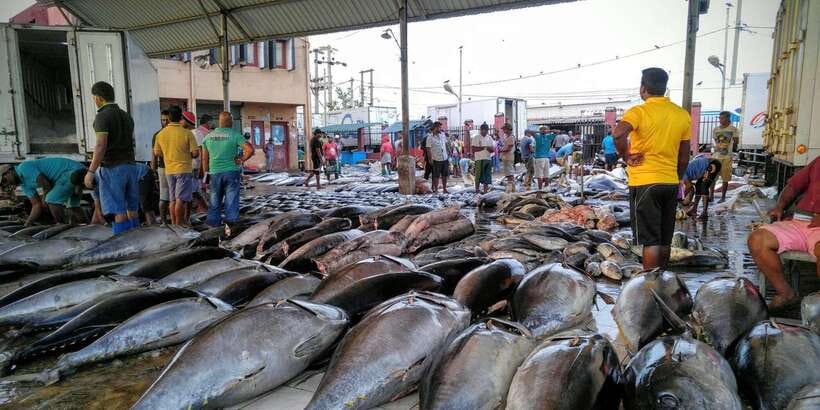
Negombo is the kind of place where “touristy” can still feel optional. The streets move at local pace, and a tuk-tuk fits that rhythm perfectly: you’re not stuck in a big bus, and you can stop for photo moments without turning your whole day into a logistics puzzle.
What I like most about this style of touring is control. You’re in a small group, and that matters when you’re weaving between market areas, religious sites, and canal/fort remnants. With a group this size, you’re more likely to get a guide who actually talks to you—about what you’re seeing, why it exists, and what’s important to locals.
Another good sign: you start with hotel pickup by tuk-tuk and you end with drop-off, also by tuk-tuk. That’s not just convenient. It lets you focus on the places, not on figuring out how to get between them.
One practical note: the tour includes walking time (listed as 3 hours). That means you’ll want comfortable shoes and a bit of patience for sun and dust. This is not a sit-and-watch half-day.
The Negombo Fish Market stop: where the day’s real work happens
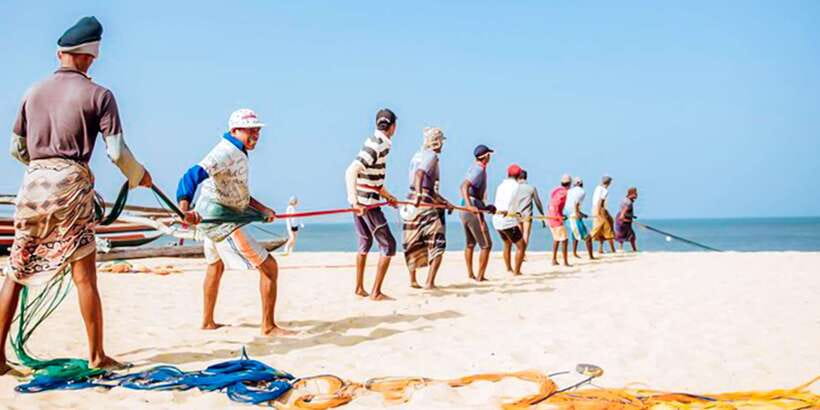
Your first big stop is the Negombo Fish Market. This is where you get the “why Negombo” feeling fast: it’s not a staged photo set. You’re seeing the daily trade, the hustle, and the flow of fishermen and buyers moving through the same space.
This is also the kind of market stop that rewards curiosity. If your guide is actively explaining things, you’ll understand the basics—how the market works, what kinds of activity dominate the area, and what locals are focused on today. If they keep it brief and don’t step into the market with you, you’ll still see the action, but you’ll miss some of the meaning.
How to make the most of it:
- Take a moment before you photograph to look around without your phone. You’ll spot patterns faster.
- Ask one or two simple questions early (like what you’re seeing happening right now). That often triggers deeper answers.
- Don’t worry about needing a long stay. Even a focused visit here gives you a strong sense of the fishing village vibe.
If you’re planning this as a way to taste Sri Lanka’s daily life rather than just collecting monuments, the fish market is the anchor stop. It’s practical, colorful, and full of motion—without needing any special “hook” beyond curiosity.
Dutch Fort remains and the Dutch Canal: reading colonial history in plain sight
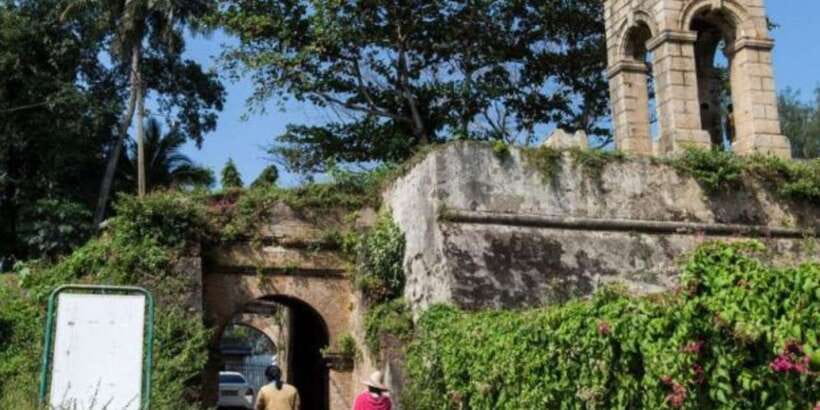
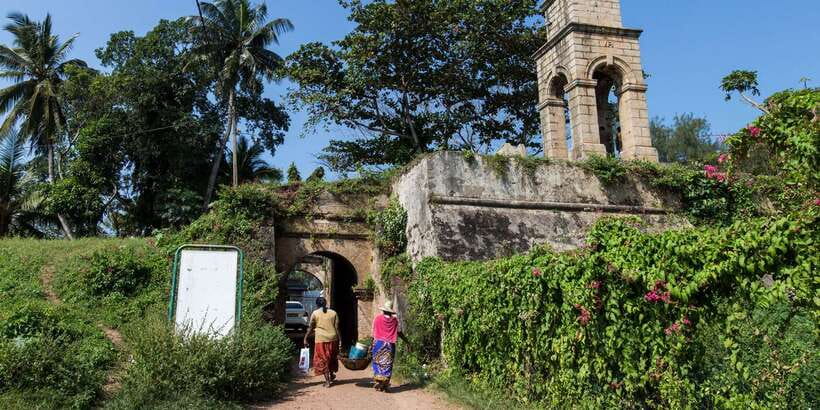
After the market, you’ll shift from daily trade to older infrastructure. The Dutch Fort remains are your first clue that Negombo wasn’t always shaped the same way. You won’t get a museum tour vibe here; instead, your guide shares stories connected to what remains and how Dutch administration used the area.
Then you’ll go to the Dutch Canal, once a vital transportation route for the Dutch. This stop is valuable even if you’re not a history buff because it gives you a physical way to understand how trade and travel moved—how people needed water routes, and how those routes shaped development.
Why this works as a tour stop:
- It turns “I saw ruins” into “I understand why it mattered.”
- The canal concept is easy to picture from the ground, even without detailed background.
- It breaks up the day so the religious sites don’t become your only type of viewing.
The main consideration is time. The tour runs a set duration, and some people end up with less time on certain stops than expected. If you want real photo time at the canal or fort, plan to be ready to move quickly when your guide signals it’s time to go.
Sri Singama Kali Amman Kovil: Hindu artistry you’ll actually notice

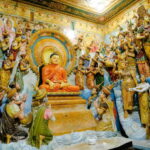
Next comes Sri Singama Kali Amman Kovil, an important Hindu temple known for striking murals and intricate sculptures. This stop is for you if you like religious art that tells stories through faces, patterns, and carvings.
When the guide is strong, you’ll get more than just location and opening hours. You’ll start recognizing themes and understand why those details matter to worshippers. The advantage here is that temple design isn’t background scenery. It pulls your eyes forward—so you naturally slow down.
What to watch for while you’re there:
- Murals: look for repeated scenes or styles instead of treating each wall like a random decoration.
- Sculpture details: zoom in with your eyes, not just your camera. Intricate work is usually meant to be seen at a closer distance.
- Respectful behavior: dress and posture matter at religious sites, and a good guide will help you get it right.
This is also one of the best stops for cultural context because it gives a clear example of how faith expresses itself visually in Negombo’s spaces.
Angurukaramulla Temple: Buddhist heritage and standout artwork
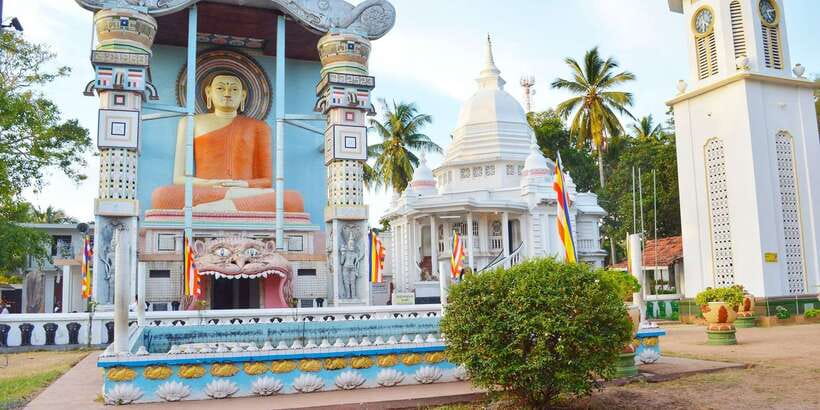
Then you’ll visit Angurukaramulla Temple, a site with over 300 years of Buddhist heritage and impressive artwork. The key word for this stop is “art.” Even if you’re not religious, you can appreciate how long a tradition has had to shape what you see today.
This stop complements Sri Singama Kali Amman Kovil nicely because it shows how different faiths can share the same city and coast without feeling diluted. You’ll likely notice a different visual language—different styles of ornament, different kinds of attention paid to surfaces and symbolic shapes.
How to get more out of it:
- Take your time at the artwork. The tour pacing can be quick, so be deliberate.
- If you have questions, ask them here. A temple stop is where guides often have the easiest time explaining meaning without getting tangled in facts.
If you’ve been in temples before, you might still find this one worth the time because of the age and the artwork emphasis. If you haven’t, it’s a friendly entry point: you can learn without feeling like you’re studying for an exam.
St. Mary’s Church and the mix of faiths in Negombo
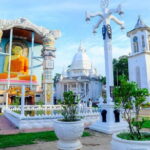
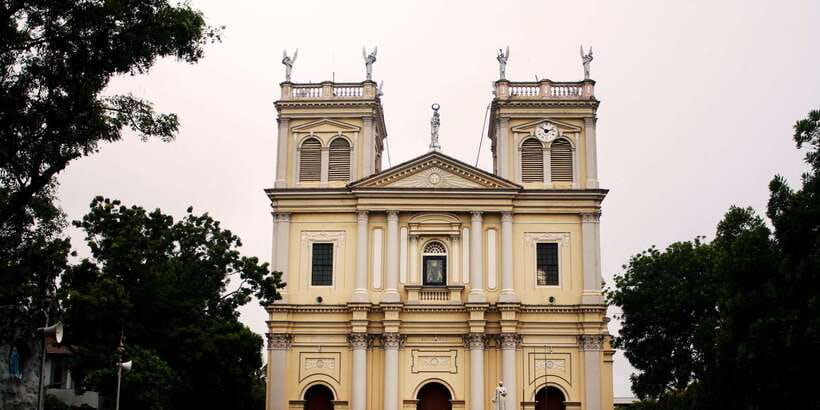
Your tour also includes St. Mary’s Church, one of the largest cathedrals in Sri Lanka and a major religious landmark. This is the point where the tour feels less like a “checklist” and more like a snapshot of the country’s coastal culture.
A church like this does two things for you as a visitor. First, it gives you a strong sense of scale—big cathedrals are hard to fake with photos alone. Second, it adds perspective on how different religious communities have left real marks in the same town.
Practical advice for this stop:
- Dress appropriately and keep your voice down while inside.
- If you’re unsure about what’s allowed, watch what locals do and follow your guide’s lead.
- Use this stop to slow down. If your morning is fast-paced (market + canal + temples), the church is a good place to reset.
This is also a smart stop for anyone who wants variety without changing locations all day. You stay in Negombo and simply move through different cultural “rooms.”
Price, timing, and what you should bring for 4 hours
The price is $45 per person for a 4-hour private tour with tuk-tuk transportation, an English live guide, entry fees, and refreshments. You don’t get meals, but you do get a refreshment during the ride, and the tour ends with a king coconut drink.
Is that value? For Negombo, yes—mainly because you’re paying for more than driving. You’re paying for guided time across several different sites, including places that would take extra effort to coordinate on your own. Add in entry fees and guide time, and it starts to look like a fair half-day deal.
Just keep expectations realistic about timing:
- The tour is listed as 4 hours, but in real life the time can feel shorter on some days.
- Walking is included (listed as 3 hours), so you’ll likely trade comfort for access.
What to bring:
- Comfortable walking shoes
- Sun protection (hat + sunscreen)
- A light layer for temples or church interiors
- Water (even though you’ll have a drink later, start the day hydrated)
- Cash for any small extras you may want at the market (you can’t assume snacks beyond what’s included)
One thing I’d do before you start: confirm with your guide that you’ll make time for the king coconut drink at the end. If a day runs tight, it’s often the final detail that gets shortened.
Small group size: when it helps (and when it doesn’t)
This tour limits the group to 6 participants. That matters because it can improve the quality of interaction—there’s room for questions, and your guide doesn’t have to talk to a crowd.
When the guide is engaged, this tour shines. You get explanations that connect stops: the fish market to the village feel, the Dutch remains to transportation and colonial influence, and the temple art to religious tradition. Some guides also do the practical thing well: taking you around so you see places you might miss if you just grabbed a tuk-tuk on your own and hoped for the best.
But if you end up with a guide who keeps things on the surface—standing back, skipping inside moments, or giving answers that don’t really match your questions—you’ll feel it quickly. The sites are still there, but the “meaning layer” drops off.
How you protect yourself: ask a question early and keep the conversation going. If you want history, ask for it in plain terms: what role did the canal play? what should I look for at the murals? how does Buddhist artwork here reflect the heritage? Good guides respond, and even a less talkative one often shifts when you’re clear about what you want.
Should you book this Negombo Fishing Village Highlights tuk-tuk tour?
Book it if you want a focused half-day that mixes daily fishing life, colonial-era leftovers, and major religious landmarks—without needing to plan transport between them. The small-group tuk-tuk format makes it feel personal, and the king coconut ending gives you a satisfying close.
Skip it or go in with caution if:
- You’re very time-sensitive and can’t handle a day that might run shorter than advertised.
- You’re hoping for deep, detailed history every minute. The experience depends on the guide’s participation, so bring a curious mindset and ask questions early.
If your goal is to get your bearings in Negombo fast—what the town is about and how the places connect—this is a strong way to do it. You’ll leave with more than photos: you’ll have a clearer sense of how fish, faith, and old infrastructure shape this coastal town day to day.
FAQ
How long is the Negombo Fishing Village Highlights private tour?
It’s listed as a 4-hour tour.
What’s the price per person?
The price is $45 per person.
How many people are in the group?
It’s a small group limited to 6 participants.
What language is the tour guide?
The live tour guide is English.
Where are pickup and drop-off available?
Hotel pickup and drop-off are offered in Negombo and Waikkal.
What places does the tour include?
You’ll visit the Negombo Fish Market, Dutch Fort remains, the Dutch Canal, Sri Singama Kali Amman Kovil, Angurukaramulla Temple, and St. Mary’s Church.
Is transportation included?
Yes. You’ll travel by tuk-tuk with hotel pickup and drop-off.
Are entry fees included?
Yes, entry fees are included.
Does the tour include food or meals?
Meals are not included, but refreshments are provided during the ride, and the tour includes a king coconut drink.
Is cancellation free if I change my plans?
Free cancellation is available up to 24 hours in advance for a full refund.