REVIEW · LISBON
Lisbon:Private guided historical sightseeing Tour by TUK-TUK
Book on GetYourGuide →Operated by CityExploration29 · Bookable on GetYourGuide
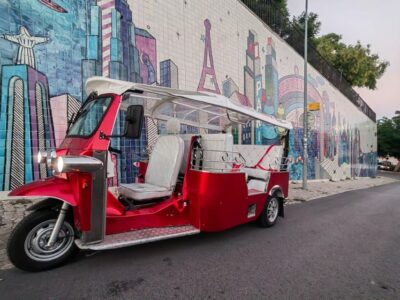
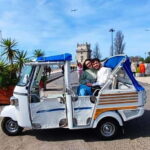
That first turn into Alfama feels like time travel. This private Lisbon tuk-tuk tour is built for saving your legs while still packing in the big sights and the stories that make Lisbon click. I like the fast access to narrow lanes and official viewpoint spots, and I also like how the route mixes major landmarks—like the Cathedral area and Commerce Square—with neighborhoods that feel lived-in. One thing to consider: it is not set up for mobility limitations, so if you use a wheelchair or have trouble with uneven ground, you’ll need an alternate plan.
If you want Lisbon’s hills without the hill tax, this tour is a smart fit. You’ll cover multiple areas in a short window, plus there are regular photo stops so you’re not just riding and hoping for the best. The only catch is that entrance fees aren’t included, so a couple of stops may require a little extra money if you want to go inside.
In This Review
- What makes Lisbon work with a tuk-tuk (and not on foot)
- Key takeaways before you book
- Price and what you actually get for $82
- Getting picked up the right way: Alfama, Chiado, or Cais do Sodré
- Alfama: narrow streets, big views, and the city’s older face
- The miradouros: why you’re doing viewpoints in a single session
- The Poetic City route: Chiado to Parliament and the views that connect it all
- Belém: waterfront Lisbon, monuments of discovery, and Pastéis de Nata
- What the guide does that matters (not just names on walls)
- Best times and how long to choose: 1.5 hours vs 4 hours
- Practical logistics: what to bring, what to avoid, and who should skip it
- A balanced take: who this tour fits best
- Should you book this Lisbon tuk-tuk historical tour?
- FAQ
- How long is the Lisbon private guided sightseeing tour by tuk-tuk?
- Where can I be picked up and dropped off?
- Is the tour guided in English?
- What’s included in the price?
- Are entrance fees included?
- Is Pastéis de Belém included?
- Is the tour suitable for wheelchair users or people with mobility impairments?
- What should I bring, and what can’t I bring?
What makes Lisbon work with a tuk-tuk (and not on foot)
This is the kind of tour that helps you get your bearings fast. Lisbon’s best viewpoints often sit above postcard streets, and tuk-tuk transport helps you reach them with far less sweat. Since it’s private or small-group, you can usually keep things moving at your pace, with the guide adjusting where they spend time based on what you care about.
And the tour is designed around history you can actually picture. Instead of just pointing at buildings, your guide connects the city’s religious sites, hill neighborhoods, and waterfront landmarks into one story you can follow from stop to stop. The whole experience is meant to help you see more in less time—without turning your day into a stair-climbing contest.
Key takeaways before you book
- Electric tuk-tuk rides keep you moving through narrow streets without burning the day on stairs.
- Official 7 hills viewpoints are part of the plan, with photo stops built in.
- Alfama + Poetic City + Belém gives you a classic Lisbon sweep in one go.
- Regular guidance stops focus on churches, viewpoints, and waterfront history, not just scenic passes.
- Pastéis de Belém dessert is included on the Belém-focused segment.
- The route uses pickup in Alfama, Chiado, or Cais do Sodré, which can save you time.
You can also read our reviews of more tours and experiences in Lisbon.



Price and what you actually get for $82
At $82 per person, this tour sits in the middle of the Lisbon guided-tour range—but the value depends on what you want from the day. If you’re trying to cover Alfama, multiple miradouros (viewpoints), and Belém landmarks in a few hours, you’re paying to compress time.
What you get that justifies the cost:
- A live English guide (with optional audio in English, Portuguese, Hindi, or Bengali).
- Hotel pickup and drop-off near selected meeting points (Alfama, Chiado, or Cais do Sodré options).
- Insurance plus water during the tour.
- Free Wi‑Fi onboard.
- A traditional nata included only on the Belém segment.
What you don’t get (and you should budget for):
- Entrance fees are not included.
- Food is not included outside of the included nata stop on the Belém portion.
For context, the biggest “hidden” value is how the guide routes you. Lisbon’s hills can waste time even when you think you’re close on the map. Here, you trade some walking for a more efficient path through the city’s most photogenic spots.
Getting picked up the right way: Alfama, Chiado, or Cais do Sodré
Your day starts with one of three pickup options: Alfama, Chiado, or Cais do Sodré. That matters more than it sounds. Lisbon is spread and hilly, so cutting transport time makes the sightseeing feel less rushed.
Plan to arrive at your pickup spot 10 to 15 minutes early. The tour description is clear that you should wait at the pickup location—so don’t show up exactly on time and assume the tuk-tuk will magically appear like Lisbon fog.
Also note: you should bring sports shoes. Even with tuk-tuk rides, you’ll do walk-and-photo moments. The walking isn’t meant to be a marathon, but it’s still real pavement and real steps in older areas.
Alfama: narrow streets, big views, and the city’s older face
Alfama is the neighborhood that feels like Lisbon’s soul. This part of the tour focuses on classic old-town lanes and key viewpoints, with guided stops and photo breaks.
Here’s what this section aims to do:
- Get you into Alfama’s old, narrow street scenes where the city’s texture is the attraction.
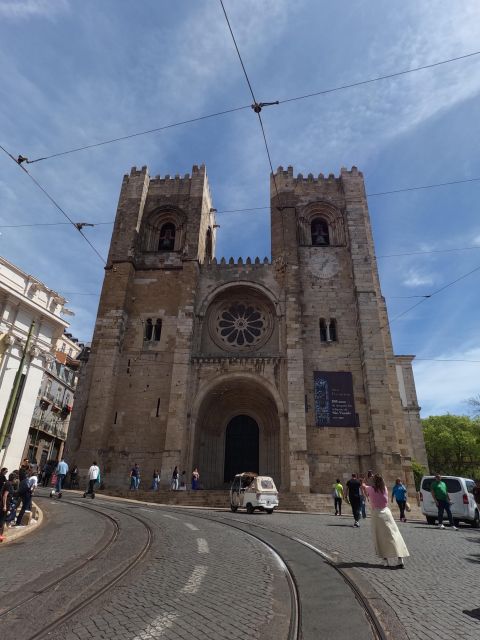
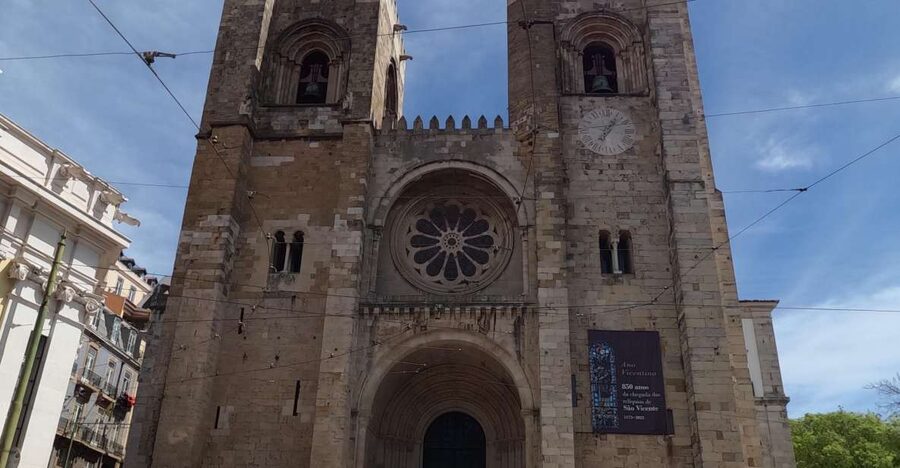
- Include major landmarks such as the Roman Theatre area and Lisbon Cathedral.
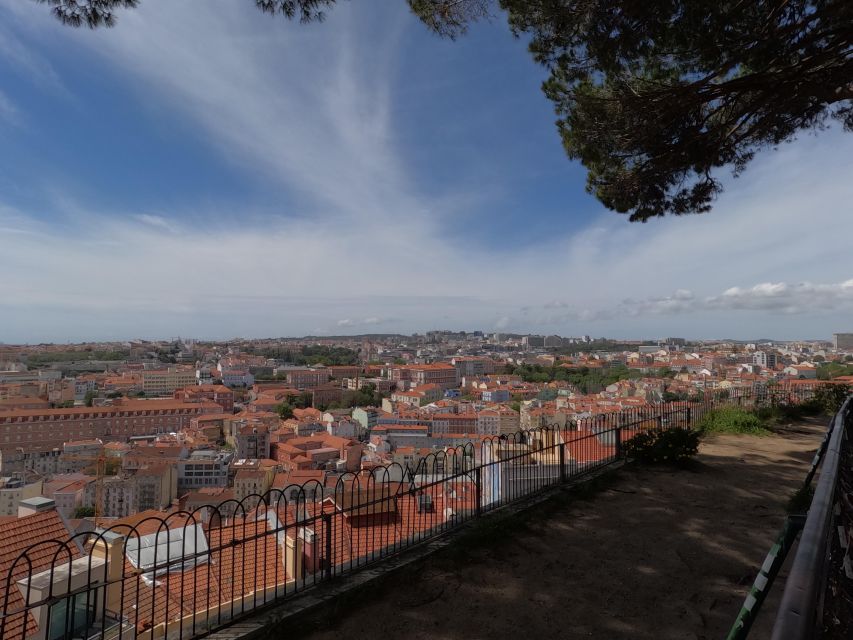
- Hit the best panoramic viewpoints like Portas do Sol and Miradouro da Senhora do Monte (the lady of the hills).
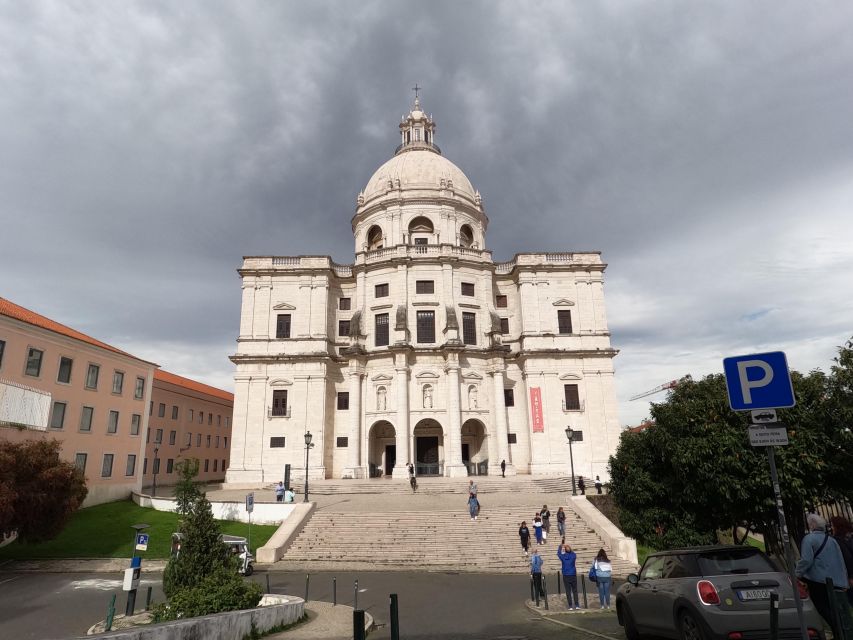
- Work in São Vicente and the National Pantheon of Santa Engracia area.
- End this segment by riding along the River Tagus toward Commerce Square.
What I like about this structure is that it keeps Alfama from being just wandering. You’re guided to the spots that make the neighborhood make sense—cathedral-adjacent grandeur up top, then dense lanes below, then the payoff of a miradouro where Lisbon finally looks like a whole city.
A practical drawback: Alfama is tight. The tuk-tuk helps, but you’ll still deal with uneven streets and short walks. It’s not ideal for anyone who can’t handle uneven ground or needs a wheelchair-friendly route, because the tour isn’t designed for that.
The miradouros: why you’re doing viewpoints in a single session
Lisbon’s viewpoints can turn into a scavenger hunt. The smart move is to group them, and this tour does exactly that—especially in the 7 hills portion.
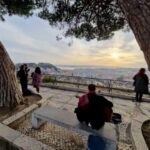
Instead of climbing hills all day, you get access to the official 7 hills viewpoints, with time for photos and short visits. You’re also given options among viewpoints like Santa Luzia and repeat stops tied to the viewpoints sequence.
Why this matters: viewpoints are best when you actually reach them, stand still long enough to see the layout, and then take a few clean photos. When you cram viewpoints across a day on public transport, you often arrive sweaty and rushed. This route is built so the viewpoint moment is the point, not an interruption.
Tip for your photos: expect wind at hill lookouts. Bring a lens cloth or at least be ready for dust/sun glare, especially around miradouros.





The Poetic City route: Chiado to Parliament and the views that connect it all

After Alfama, the tour shifts toward Lisbon’s central storybook layers: Chiado, landmark churches, and the avenue that feels like a formal procession.
This segment includes sights such as:
- Largo do Carmo and the Santa Justa Elevator area (more for orientation and surrounding views than a must-see inside).
- São Pedro de Alcântara for city views.
- The path toward Parliament and the Basilica da Estrela (also referred to as the heart of Jesus Basilica in the tour description).
- Parque Eduardo VII.
- Avenida da Liberdade.
If you’re wondering what makes this “poetic,” it’s the way Lisbon’s elegance shows up in sight lines. You move from steep neighborhoods into broad streets and grand facades. It’s not just pretty—it’s clarifying. You start to understand how the city is layered, with history and politics visible as you travel through the geography.
One consideration: if you’re the kind of person who loves long museum time, this segment may feel time-efficient rather than slow. That’s the trade-off of fitting a lot into 1.5 to 4 hours.
Belém: waterfront Lisbon, monuments of discovery, and Pastéis de Nata
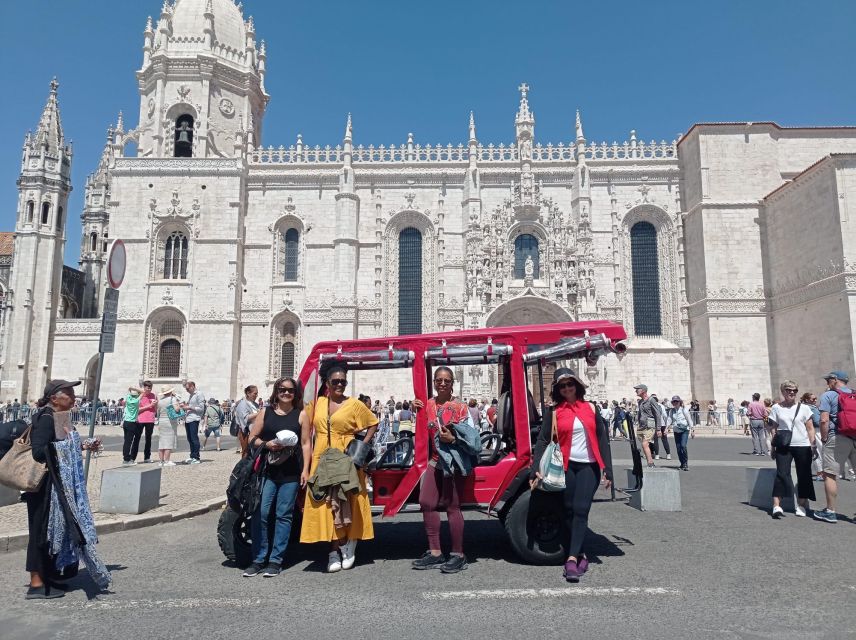
Belém is where Lisbon turns outward—toward explorers, riverside architecture, and the seafood-and-sweets identity. This part of the tour includes a classic mix of landmarks, plus a dessert stop.
Expect stops around:
- LX Factory (for a modern creative contrast).
- Belém Palace area.
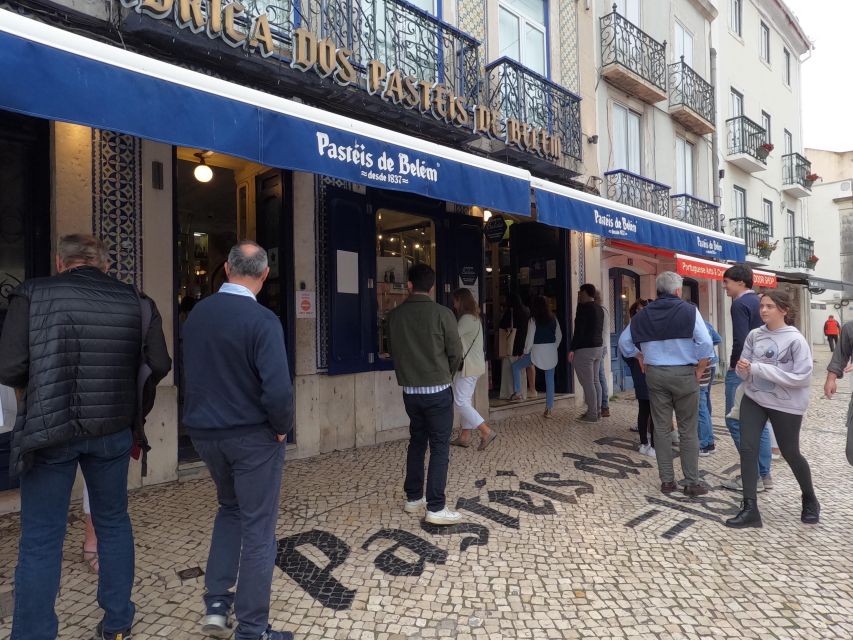
- Pastéis de Belém for the traditional dessert (the nata is included on this Belém tour segment).
- Jerónimos Monastery.
- Belém Tower.
- Monument to the Discoveries.
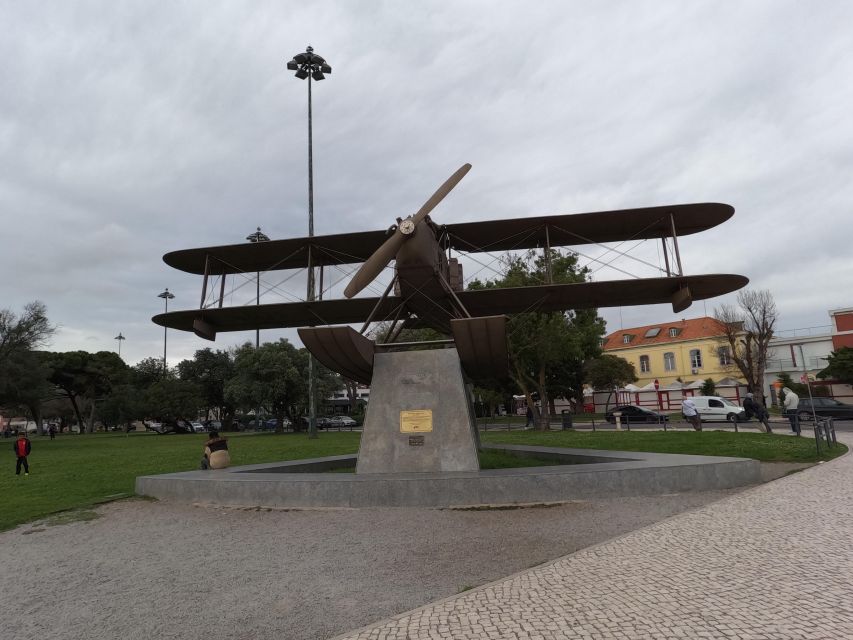
- Pedrão dos Descobrimentos and the MAAT museum area.
- Combatants of Ultramar area.
- A riverside stretch with the 25 de Abril Bridge and views along the Tagus River.
I love how Belém is handled like a journey. You’re not stuck in one block of attractions. You get the riverside framing: towers and monuments with the bridge and river behind them. It makes the history feel physical.
A small reality check: entrance fees aren’t included, so if you want to step inside places like Jerónimos or Belém Tower, bring extra cash or plan to pay those fees separately. If you’re okay with exterior views and guided explanations, you’ll probably feel more relaxed.
What the guide does that matters (not just names on walls)
A big part of why this type of tour works is the storytelling. The tour is built around guided history and photo stops, so you’re not left guessing what you’re looking at.
One standout example from the guide experience is a driver named Yar, praised for being personable, knowledgeable, and helpful with getting in and out of the tuk-tuk. He’s also mentioned for sharing small, memorable details—like stories about locks on gates near a church and the idea behind the tradition. That kind of detail is exactly what turns Lisbon from scenery into a place you remember.
What you’ll likely get from your guide, based on the tour structure:
- Clear explanations at churches and landmarks (Cathedral, São Vicente, Pantheon, Basilica da Estrela).
- Context for the viewpoints, not just “look over there.”
- A sense of how neighborhoods connect—Alfama’s older streets to the grand waterfront spaces.
Best times and how long to choose: 1.5 hours vs 4 hours
The tour duration ranges from 1.5 to 4 hours, depending on what you select and the pace. If you’re short on time, you’ll get the highlights without losing the day. If you have more time, you can slow down at viewpoints and enjoy the guided storytelling at each stop.
Here’s a simple way to decide:
- Choose the shorter option if you’re already visiting major sites on your own and just need a guided orientation sweep.
- Choose longer if this is your main introduction to Lisbon, especially if you want Alfama + Poetic City + 7 hills + Belém without feeling like you’re sprinting.
In Lisbon, “fast” can still be enjoyable. It’s the difference between moving efficiently and moving carelessly.
Practical logistics: what to bring, what to avoid, and who should skip it
Bring:
- Sports shoes (you’ll do some walking and standing).
- A phone/camera for viewpoints (you’ll use it).
Don’t bring:
- Luggage or large bags (not allowed).
- Alcohol and drugs (not allowed).
Who it’s not suitable for:
- Pregnant women
- People with mobility impairments
- Wheelchair users
This matters because even with tuk-tuk rides, you’ll still need to handle uneven ground and short transfers. If you fall into those categories, it’s better to plan a different kind of tour designed for accessible routes.
A balanced take: who this tour fits best
This tour is a good match if:
- You want a guided introduction with the payoff of viewpoints.
- You care about history and religious sites but don’t want to lose hours climbing hills.
- You want to see Alfama, central Lisbon highlights, and Belém landmarks in one day.
It’s less ideal if:
- You want long indoor museum time at multiple sites.
- You’re expecting a fully walking itinerary with no steps or uneven ground.
- You need wheelchair-accessible logistics.
Should you book this Lisbon tuk-tuk historical tour?
If you’re making Lisbon a tight schedule stop, I think this is an easy “yes.” The biggest strength is that it focuses on the places that define Lisbon—Alfama’s narrow lanes, key miradouros, the Cathedral and Pantheon areas, and Belém’s river monuments—while reducing the hill-and-distance grind.
Book it if you want a guided day that feels efficient but still personal. Consider passing or adjusting plans if you need accessibility support, or if your priority is spending hours inside major monuments rather than learning the city’s story from the outside and at short visits.
If you do book, set expectations for a mix of ride-and-walk. Bring good shoes, plan for photo stops, and let the guide do the heavy lifting in making sense of what you’re seeing. That’s where this tour earns its value.
FAQ
How long is the Lisbon private guided sightseeing tour by tuk-tuk?
The duration is listed as 1.5 to 4 hours, depending on the starting time and how the tour runs for your selected option.
Where can I be picked up and dropped off?
You have three pickup options: Alfama, Chiado, or Cais do Sodré. There are also three drop-off locations matching those areas.
Is the tour guided in English?
Yes. The tour includes a live tour guide in English. There is also an optional audio guide in English, Portuguese, Hindi, or Bengali.
What’s included in the price?
Included items are the tour guide, free Wi‑Fi, insurance, hotel pickup and drop-off near the tour place, and water. On the Belém portion, you also get a traditional dessert nata.
Are entrance fees included?
No. Entrance fees are not included in the tour price.
Is Pastéis de Belém included?
Yes for the Belém part: you’ll stop at Pastéis de Belém, and a traditional nata is included only for the Belém tour segment.
Is the tour suitable for wheelchair users or people with mobility impairments?
No. It is listed as not suitable for people with mobility impairments and wheelchair users, and it is also not suitable for pregnant women.
What should I bring, and what can’t I bring?
Bring sports shoes. Luggage or large bags are not allowed, and alcohol and drugs are not allowed.