REVIEW · LISBON
Lisbon: Guided Tuk-Tuk Tour Alfama and history
Book on GetYourGuide →Operated by Lost in Lisboa · Bookable on GetYourGuide
Lisbon by tuk-tuk is a cheat code for its hills. This guided ride threads through the city’s oldest neighborhoods with photo stops and real storytelling, starting at Time Out Market and running along the classic tram 28 corridor. I love how it mixes big landmarks with everyday streets in Alfama and Graça, and I also love the viewpoint sequence that turns shortcuts into skyline time. One thing to keep in mind: it’s not for wheelchair users, and you’ll want to locate the meeting spot carefully at the start.
Guides like Hassan and Jabel (from English-language tours) have a reputation for keeping things practical and fun, including help with photos from the back-facing seats on the tuk-tuk. You’ll also get guided time at places like Lisbon Cathedral and the National Pantheon of Santa Engracia, so you’re not just sightseeing from a moving vehicle. The trade-off is that it’s a limited-time highlight tour—so if you’re hoping for deep museum hours, plan a separate day for that.
In This Review
- Key things you’ll remember from this tuk-tuk tour
- Lisbon’s hills, solved: why a tuk-tuk tour makes sense
- Starting at Time Out Market (and the Sophia option) without stress
- Pink Street and Commerce Square: the quick hits before the climbs
- Saint Anthony Church and Lisbon Cathedral: guided time that pays off
- Miradouro de Santa Luzia and Portas do Sol: viewpoint stops you’ll feel
- Graça’s historic district: walking without the big climb
- Senhora do Monte and São Vicente de Fora: big views plus real stops
- National Pantheon of Santa Engracia to Alfama’s working lanes
- How the guides shape the experience: Hassan and Jabel stand out
- Price and timing: is $44 worth it for your Lisbon day?
- Who should book this tour, and who should skip it
- Should you book this Lisbon tuk-tuk tour?
- FAQ
- How much does the Lisbon guided tuk-tuk tour cost?
- How long is the tour?
- Where does the tour start?
- Where does the tour end?
- Is the tour guided in English?
- Does it include stops like Lisbon Cathedral and the National Pantheon?
- Does the tour follow the Tram 28 route?
- Is the tour suitable for wheelchair users or small children?
- Can I cancel for a refund?
Key things you’ll remember from this tuk-tuk tour

- Tuk-tuk over hills: you get views without the stair workout
- Tram 28 route energy: familiar streets, plus stops that help you orient fast
- Viewpoints at the right moments: Santa Luzia, Portas do Sol, and Senhora do Monte
- Guided stops with context: Saint Anthony, Lisbon Cathedral, São Vicente de Fora, and more
- Photo-friendly setup: back-facing seating options and on-the-spot picture help
Lisbon’s hills, solved: why a tuk-tuk tour makes sense
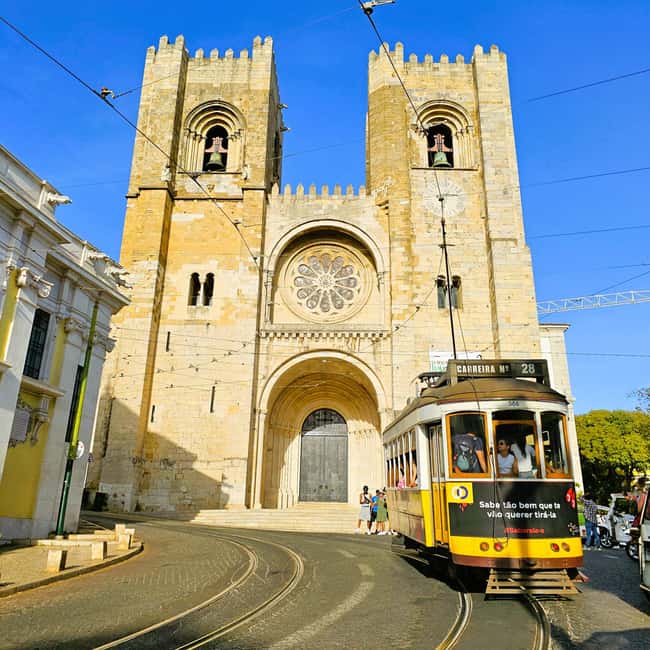
Lisbon is beautiful, but it can also be steep in a very no-nonsense way. This is exactly why a tuk-tuk tour feels smart. You still see the old lanes and the classic viewpoints, but you avoid turning your day into a full-time climbing project.
The ride matters too. Instead of doing everything on foot, you can focus on the city’s shapes—terraces, tiled walls, church facades, and sudden panoramas—while your guide handles the driving and the sequence. That means more time for photos and less time getting lost while you’re trying to keep momentum.
And it’s not just about comfort. Moving through Alfama and Graça by tuk-tuk helps you understand the geography. When you jump from square to viewpoint to church to miradouro, the neighborhoods start to click as one connected map. That’s the real value: you leave with a mental model of Lisbon.
You can also read our reviews of more tours and experiences in Lisbon.



Starting at Time Out Market (and the Sophia option) without stress
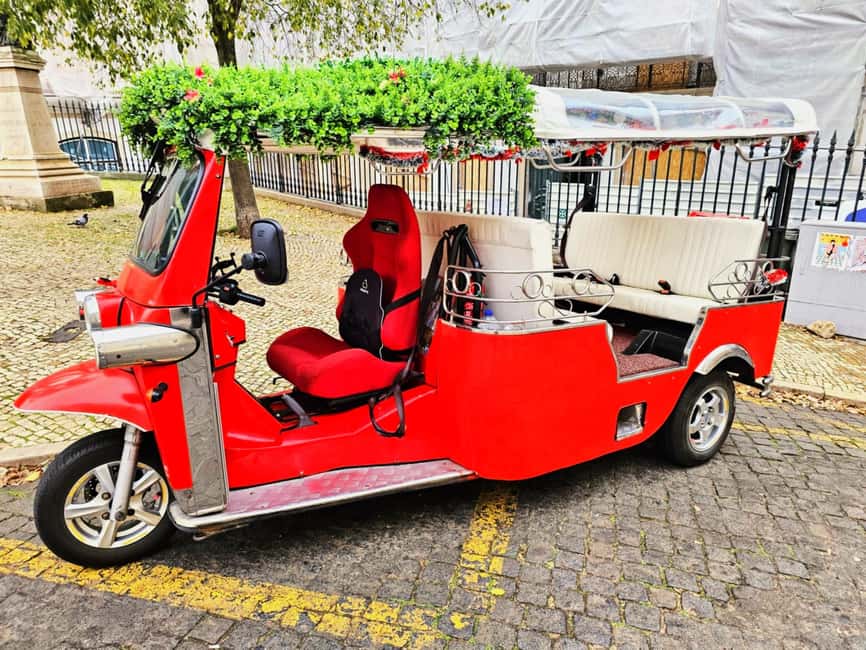
This tour starts at Time Out Market Lisboa, with a second start option listed at Restaurante Sophia – Natural Italian. Since the meeting point can vary depending on the option you book, plan a little extra time the first time you find it.
Time Out Market is a good “launchpad” because it’s a recognizable hub. Once you’re there, your day becomes easier to manage. You can also use it as a reference point for the rest of your Lisbon plans, since the tour ends back around the same area.
Tip: if you’re using your phone for directions, double-check you’re following to the exact meeting spot. One guide experience notes the initial finding can be a bit tricky, so arriving early is worth it.
Pink Street and Commerce Square: the quick hits before the climbs
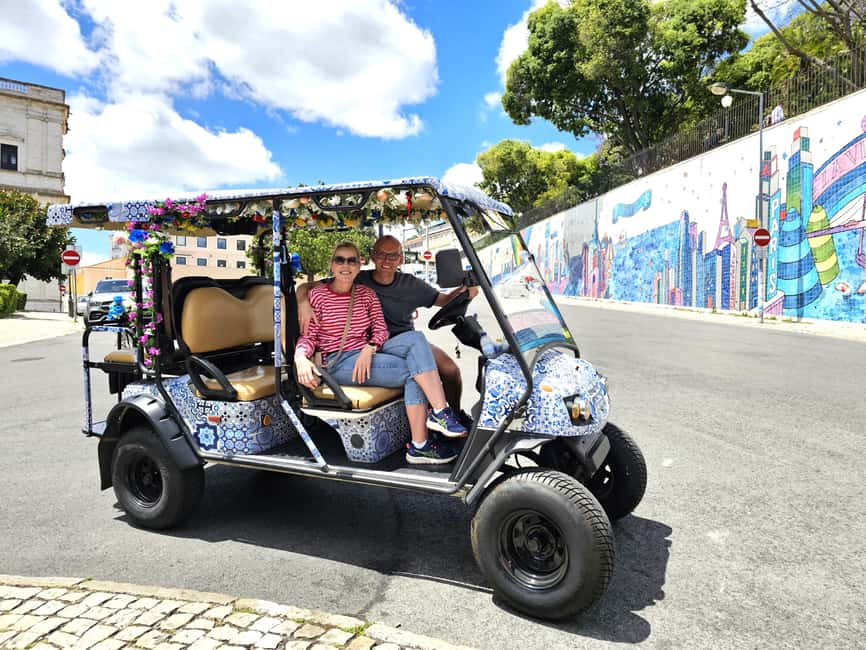
The route kicks off with a focus on the classic, photo-friendly parts of Lisbon. You’ll pass by Pink Street (Rua Nova do Carvalho / the well-known pink-painted corridor) and then pass by Commerce Square (Praça do Comércio). Even if you’ve seen photos online, seeing these places in person helps you calibrate scale.
Pink Street gives you a quick read on Lisbon’s modern social side. It’s not the oldest thing in town, but it’s a colorful marker of where the city’s nightlife energy concentrates. Commerce Square, meanwhile, pulls you back toward the grand side of Lisbon’s story: wide open space, a big-sky feeling, and an easy starting point for understanding the city’s waterfront zone.
These pass-by moments are useful because they set expectations. You learn what kind of Lisbon you’re in—old streets, yes, but also squares, viewpoints, and areas with a sense of flow. From there, the tour shifts into more guided stops.
Saint Anthony Church and Lisbon Cathedral: guided time that pays off
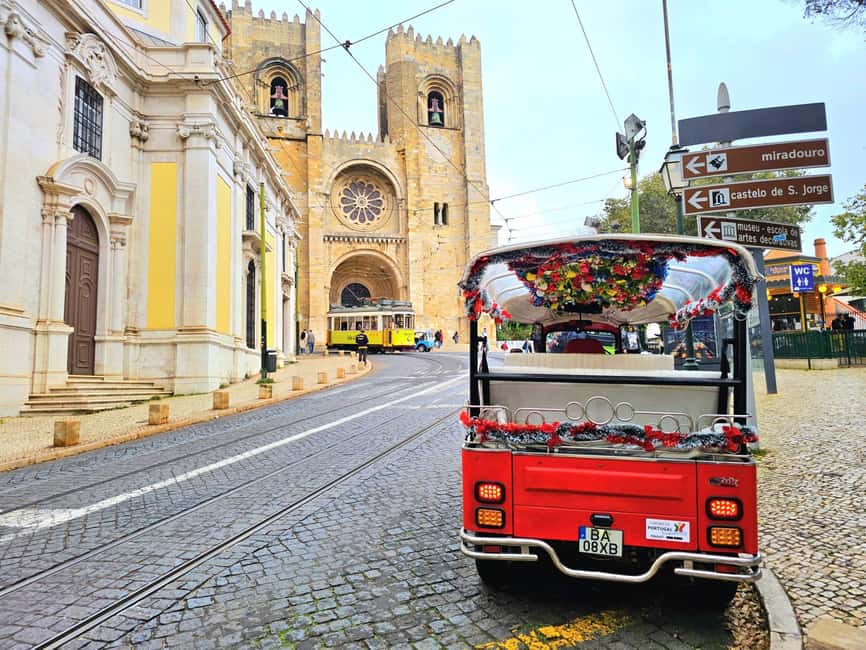
At Church of Saint Anthony, you get guided touring and sightseeing time. Then you move on to Lisbon Cathedral (Sé de Lisboa), also with guided sightseeing. This is where the tour becomes more than a ride—it turns into context.
Why it matters: churches and cathedrals aren’t just “pretty stops.” They’re anchors. They sit in the heart of how neighborhoods developed, and they reflect what the city valued at different points in time. A live guide helps connect those dots so the buildings don’t turn into random architecture.
Practical note: plan for a little walking and standing during the guided portions. Even though you’re not doing the hill climb yourself, you still need to be comfortable moving around inside and around historic sites.
If you like getting explanations on the spot—rather than reading afterward—these two stops are a strong use of your 1.5 to 3 hours.
Miradouro de Santa Luzia and Portas do Sol: viewpoint stops you’ll feel
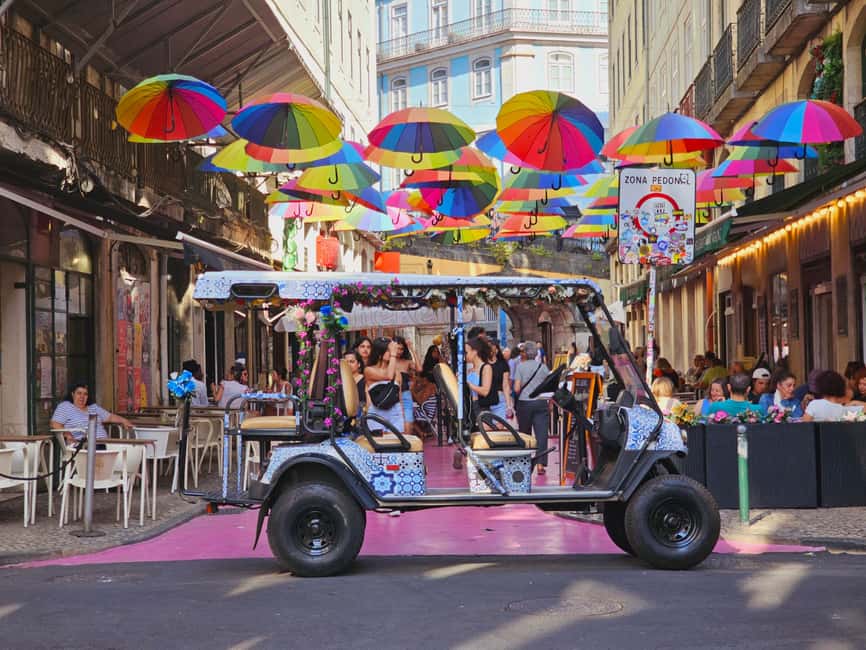
Next come the viewpoints that make Lisbon famous. You’ll visit Miradouro de Santa Luzia for sightseeing, then stop at Portas do Sol Terrace for sightseeing and guided highlights.
This is peak “photo sequence” territory. The miradouros are built for the pause button. You’ll see rooftops, the curve of the city, and layers of streets that look too steep to be real until you’re standing there. The guided component helps you look with intention—what to notice, how the terrain is arranged, and why certain angles feel so dramatic.
A practical strategy: at each viewpoint, take one wide photo first, then do a few closer shots. It’s an easy way to capture both the big sense of place and the details you’ll want later when you’re choosing what to post.
And if your day includes other Lisbon neighborhoods later, these viewpoint stops help you understand where you’ve already been and what you’re heading toward.






Graça’s historic district: walking without the big climb

Graça is one of those Lisbon neighborhoods that rewards attention. You’ll have guided sightseeing time in the Graça Historic District, which helps you understand why the area feels both lived-in and historic at the same time.
This part of the tour is valuable because Graça sits in the middle of your day’s “old city” learning curve. You’re not only seeing famous monuments; you’re seeing how everyday life fits into the historic layout. You also get a better sense of the neighborhood’s character—especially around how people gather, eat, and socialize in the evenings.
If you’re doing Lisbon over a weekend and you want one day that feels like orientation plus highlights, this is a good anchor. You’ll leave with street-level comprehension, not just landmark photos.
Senhora do Monte and São Vicente de Fora: big views plus real stops
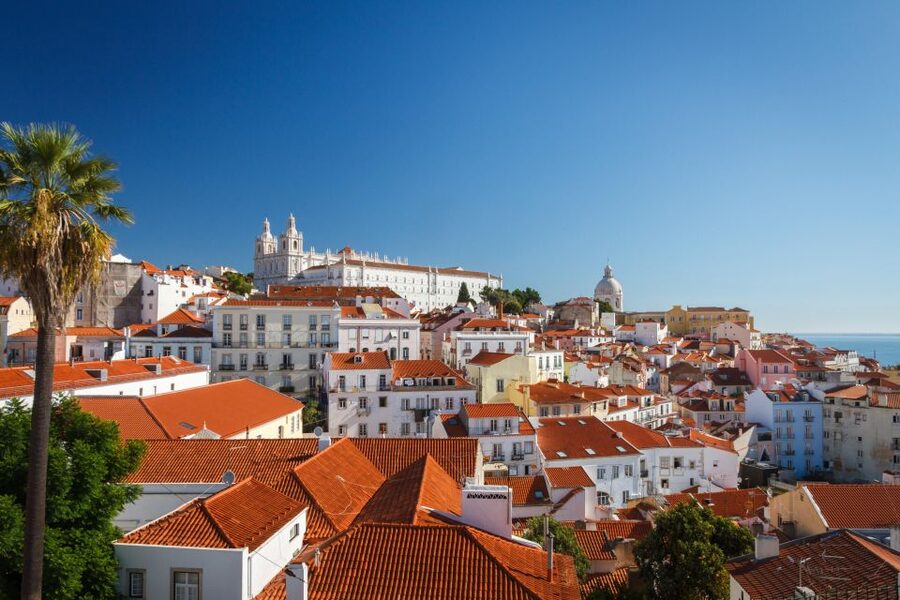
You’ll make a visit to Miradouro da Senhora do Monte, with sightseeing and guided touring. This viewpoint is a strong payoff stop. It’s the kind of place where the city looks like a model built by hand—layers of neighborhoods stacked on slopes.
Then you’ll visit the Monastery of São Vicente de Fora for guided touring and sightseeing. Monasteries can feel like “just another building” if you rush them. But with a guide, they become a story about the city’s spiritual and cultural priorities, and about how historic Lisbon shaped daily life over time.
This combination—top-down views, then a stop that grounds you in physical history—keeps the tour from feeling one-note. You get the drama of distance, and then the texture of place.
National Pantheon of Santa Engracia to Alfama’s working lanes
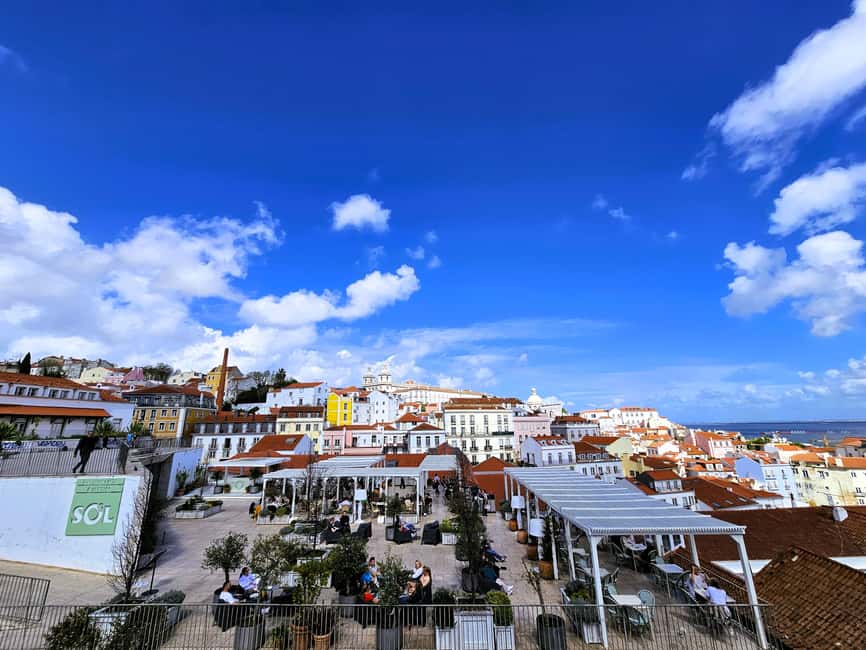
After São Vicente de Fora, you’ll go to the National Pantheon of Santa Engracia for guided sightseeing. This is one of the stops that benefits from a guide most. Historic interiors and architectural details can feel easier to appreciate when someone points out what you’re looking at and why it matters.
Then the tour shifts into Alfama, with visit and guided sightseeing time. Alfama is Lisbon’s old heartbeat. It’s narrow streets, church corners, and that feeling that the neighborhood has been here forever, even as Lisbon keeps changing around it.
What makes Alfama especially good in this tour format: you aren’t spending half your time fighting your way uphill. You arrive with momentum. You also get a guide’s explanation while you’re there, which helps you notice details you might otherwise walk past.
Also worth knowing: Alfama is tied to nightlife culture and Fado houses, plus traditional restaurant areas. So even if you’re not dining there tonight, you’ll understand the neighborhood’s rhythm by the end of the tour.
How the guides shape the experience: Hassan and Jabel stand out
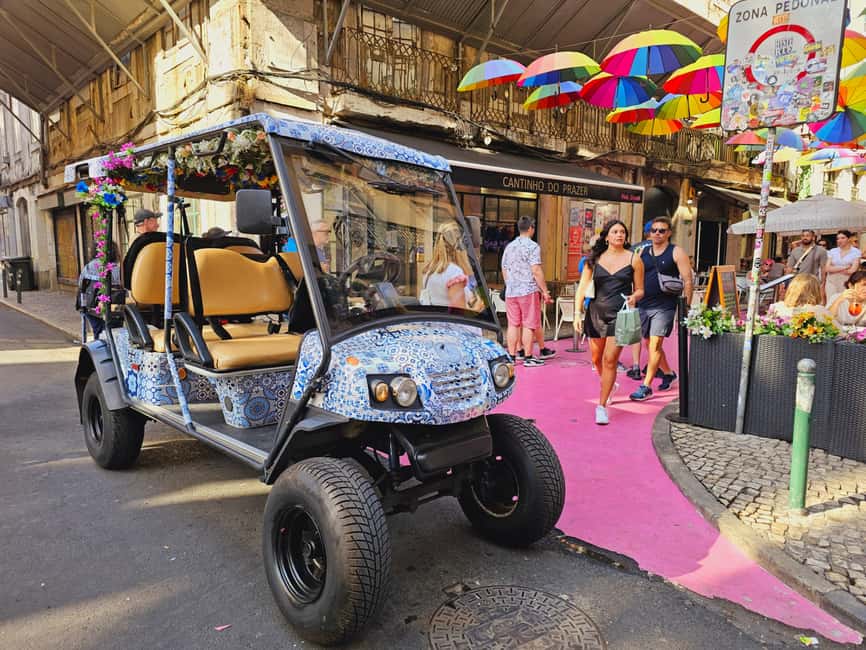
The highest praise in this tour is consistent: the guides make history understandable and the ride feel personal. Guides including Hassan and Jabel are called out for being friendly and well informed, and for giving lots of useful detail about what you’re seeing.
A common theme is flexibility. If you want an extra stop to take a closer look at a viewpoint or church, the guide adjusts when possible. Another strong point: photo help. There’s an option to sit facing out at the back of the tuk-tuk, which makes it easier to shoot while moving or framing wider shots.
One more practical note: because the tuk-tuk is the main mode, the guide’s navigation matters. If you’re picky about not wasting time, this is where a good guide earns their keep.
Price and timing: is $44 worth it for your Lisbon day?
At $44 per person, this tour isn’t trying to be the cheapest way to move around Lisbon. It’s more like paying to buy back time and energy in a city that steals both from you on hills.
Here’s how I’d judge the value:
- If you’re spending only a weekend in Lisbon, you’ll likely want a fast orientation day. This tour covers major sights and neighborhoods in a short window.
- If you prefer explanations with your photos, the guided time at multiple landmarks makes the price feel more reasonable than a standard hop-on, hop-off.
- If walking the steep parts of Alfama and Graça would drain you, the tuk-tuk is the money-saving choice because it keeps you in sightseeing mode.
Duration is listed as 1.5 to 3 hours, depending on starting times you see available. That flexibility can help you match it to your energy and weather. If you’re arriving from travel and your feet are tired, the shorter end makes sense.
Who should book this tour, and who should skip it
This tour is a great fit if you want:
- A guided day that mixes old neighborhoods with major landmarks
- Viewpoints without a full hill workout
- Plenty of photo chances and on-the-spot help
It’s not a fit for:
- Wheelchair users (not suitable)
- Children under 3 years (not suitable)
If your style is “I love museums and long indoor stays,” you might find this tour more of an overview. Think of it as the day you set your bearings, then choose deeper follow-ups later.
Should you book this Lisbon tuk-tuk tour?
Book it if you want a high-efficiency Lisbon experience—historic neighborhoods, guided landmark time, and viewpoints—without turning your day into a climbing contest. The $44 price feels fair when you consider how much ground it covers, plus the guided stops and photo help.
Skip it only if you’re looking for long, slow, museum-style wandering or if accessibility is an issue for your group. Otherwise, this is a solid pick for first-timers and anyone who wants Lisbon’s old streets on a tight schedule.
If you do book, arrive a bit early to the meeting point area, wear comfortable shoes for the guided stops, and be ready to stop often for photos—because Lisbon makes that kind of behavior easy.
FAQ
How much does the Lisbon guided tuk-tuk tour cost?
The price is listed at $44 per person.
How long is the tour?
The duration is listed as 1.5 to 3 hours, depending on starting times available.
Where does the tour start?
The tour starts at Time Out Market Lisboa, with an additional listed option at Restaurante Sophia – Natural Italian.
Where does the tour end?
The tour ends back at the meeting point.
Is the tour guided in English?
Yes, the tour includes a live guide in English.
Does it include stops like Lisbon Cathedral and the National Pantheon?
Yes. The route includes Church of Saint Anthony, Lisbon Cathedral, National Pantheon of Santa Engracia, and stops in Alfama and Graça.
Does the tour follow the Tram 28 route?
The tour follows the historic tram 28 route to showcase key landmarks and hidden gems.
Is the tour suitable for wheelchair users or small children?
No. It is not suitable for wheelchair users, and it is not suitable for children under 3 years.
Can I cancel for a refund?
Yes. Free cancellation is available up to 24 hours in advance for a full refund.