REVIEW · LISBON
LISBON GRAND EXPERIENCE Tuktuk Tour in German
Book on GetYourGuide →Operated by TUKXI MADEIRA - TURISMO, UNIPESSOAL LDA · Bookable on GetYourGuide
Lisbon on a tuk tuk can feel like magic. This private tuk tuk tour in German helps you choose your route, zipping from viewpoints through Alfama to UNESCO stops in Belém like Belém Tower. The trade-off is the pace: you’ll cover a lot of icons in 4–6 hours, so it’s not the best fit if you want long, slow museum-style time.
One more thing I really like: the guide handles Lisbon’s real-world chaos. Even on a tough traffic afternoon, guides such as Sandra (and other German-speaking leaders like Ingo) have been praised for keeping the day on track, while also sharing helpful local context—like where to look for great city views and rooftop bar ideas.
In This Review
- Key points to know before you go
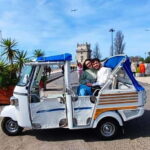
- A private, German-language tuk tuk that you can actually steer
- Graça to Senhora do Monte: viewpoints first, then old Lisbon streets
- Alfama and Portas do Sol: where cobblestones slow you down
- Lisbon Cathedral, Baixa, and Santa Luzia: the city’s pivot point
- Bairro Alto and Carmo Convent: short stops that still teach you things
- Estrela Basilica: a calm pause in the middle of a busy day
- Heading west to Belém: UNESCO sites tied to the Age of Discoveries
- Rossio, Santa Justa Lift, and Praça do Comércio: Lisbon’s classic photo circuit
- Pastéis de Belém: plan it like a pro
- Cascais marina option: a nice add-on if your route stretches west
- Price and value: $318 per group up to 4
- Who this tuk tuk tour is best for
- Should you book this Lisbon Grand Experience tuk tuk tour in German?
- FAQ
- What language is the tour guide?
- How long is the Lisbon Grand Experience tuk tuk tour?
- Is this a private group tour?
- Where does the tour start?
- How many people can be in the group?
- Does the tour include hotel pickup and drop-off?
- Does the tour visit Belém and its UNESCO landmarks?
- Is there a stop to try Pastéis de Belém?
- Can I cancel for a refund?
Key points to know before you go

- Private group flexibility: you can help shape where you go next, not just follow a fixed script
- German-speaking guide: history and landmark context delivered in German, with time for questions
- Viewpoints in fast order: stops at multiple miradouros (including Santa Justa Elevator area and São Pedro de Alcântara)
- UNESCO World Heritage hits: Jerónimos Monastery and Belém Tower, tied to Portugal’s Manueline Gothic era
- Taste time in Belém: planned stop for Pastéis de Belém while you’re already in the right neighborhood
- Hotel pickup/drop-off: you start in Lisbon and don’t have to coordinate transport on the day
A private, German-language tuk tuk that you can actually steer
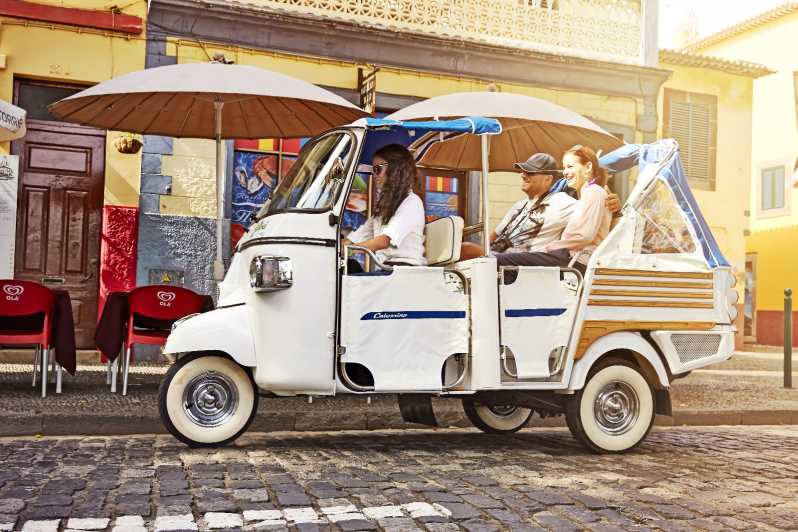
This tour is built around a simple idea: Lisbon is too big (and too hilly) for a one-size-fits-all route. With a German-speaking guide and a private group, you get a real chance to ask for what you care about—viewpoints, photo stops, church interiors, or the big landmark zone in Belém.
The tuk tuk also changes how you experience the city. In Lisbon, getting your bearings fast matters, and small vehicles are perfect for hopping between areas while you’re still fresh. You’ll start with a short ride to get moving, then the day becomes a sequence of stops where your guide can explain what you’re seeing while you’re right there.
Potential drawback: because it’s private and flexible, the schedule can be packed (and it is). If you’re the type who likes to linger, this can feel a little brisk. The fix is easy: tell your guide upfront what you want more time on, and what you’re happy to photograph from a good angle.
You can also read our reviews of more tours and experiences in Lisbon.



Graça to Senhora do Monte: viewpoints first, then old Lisbon streets
Your afternoon begins back in Lisbon with pickup, then you move into the hillier historic zones that make Lisbon feel like Lisbon. One of the first areas is Graça, a district known for charm and look-down views. It’s a good opener because it sets the tone: this city is made for perspectives, not just street-level wandering.
Next comes Miradouro da Senhora do Monte, a viewpoint stop that’s all about getting perspective in a hurry. From here, Lisbon’s layers start to make sense—where the historic neighborhoods sit, how the city bends along the hills, and how Belém will eventually connect across the water.
You also visit the Church of Our Lady of Grace. Even if you’re not a church-architecture expert, these stops help you understand why the city looks the way it does: Lisbon’s neighborhoods grew around places of gathering and worship. The best part for me is the timing. You’re still energetic, and the guide can place each stop in context before the day gets too hot or too late.
Consideration: viewpoints can be crowded on popular afternoons. Your guide’s job is to find the right moment to pause for photos, so don’t be shy about asking where the best angle is for your kind of photos.
Alfama and Portas do Sol: where cobblestones slow you down
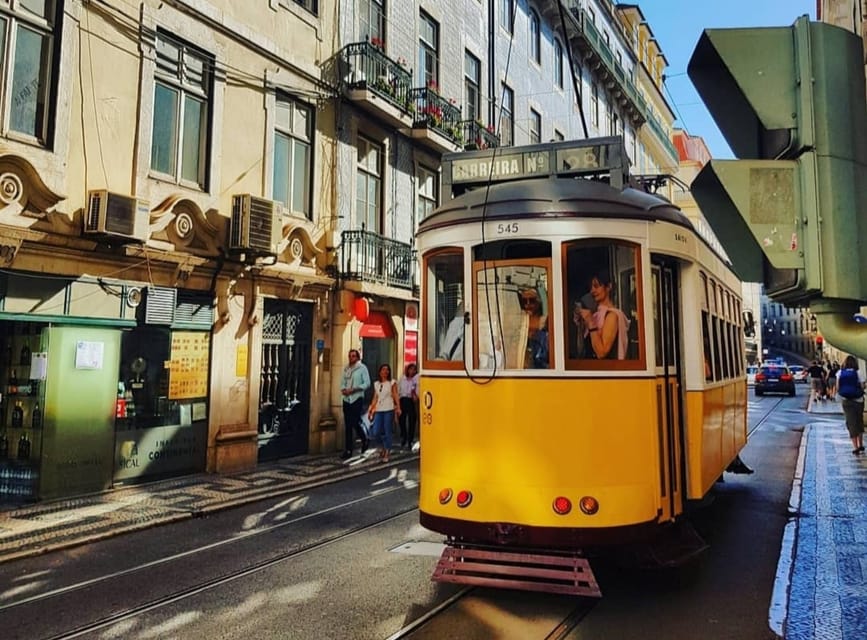
After Graça, you slide into Alfama, one of the most famous historic neighborhoods in the city. This is the part where Lisbon’s narrow, cobblestone streets really show their personality. The good news is your route isn’t just a drive-by. You get time to visit and sightsee at a human pace while still staying on schedule.
Then you hit Portas do Sol Terrace, another viewpoint that helps you connect the story of Alfama with the city below. If you’re thinking you’ll only take a few photos, here’s the truth: this terrace is usually where the photos suddenly start looking interesting, because you finally see the shapes and colors instead of just the walls.
The trade-off is that older neighborhoods take time, even when you’re in a small vehicle. That’s exactly why a guide-led route is valuable here—you’re not guessing which lanes are worth it. You’re spending your minutes where they matter.
Lisbon Cathedral, Baixa, and Santa Luzia: the city’s pivot point
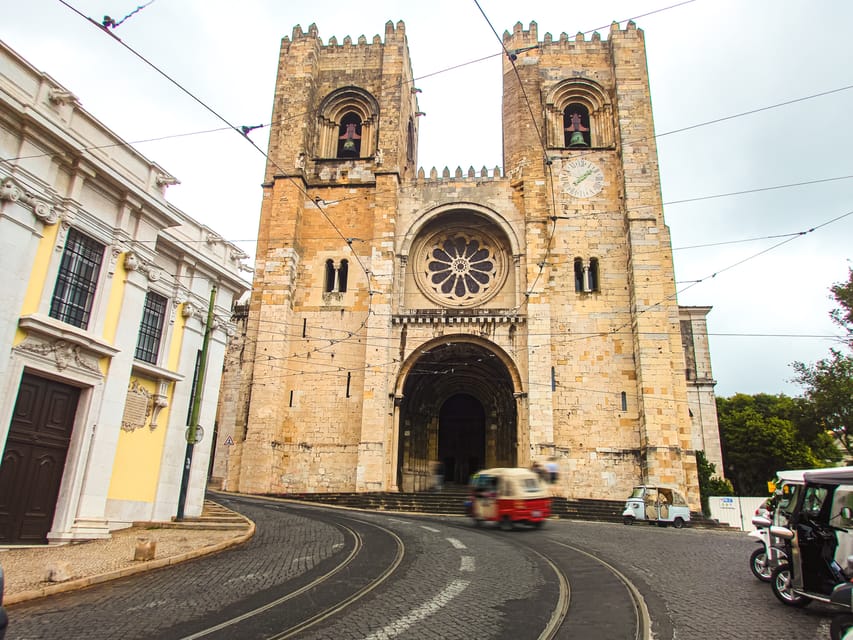
The day then funnels you into the Lisbon Cathedral area. You’ll get a break for photos, a guided visit, and a bit of free time. This stop matters because it anchors the older city with a sense of place. It’s also a great moment to slow down for a moment of interior atmosphere before you rejoin the sightseeing rhythm.
From there, you move into Baixa de Lisboa, the more central, structured part of town. Here, the city starts feeling more like a planned grid compared to the hill-hugging neighborhoods. The guided time is useful because Baixa can look straightforward at first, until you learn what to look for.
Next is Miradouro de Santa Luzia, a quick but important viewpoint. If you’re comparing Lisbon viewpoints, this is part of the value: you start noticing how each miradouro offers a different angle and a different relationship between rooftops, churches, and the river direction.
Practical tip: if you’re serious about photos, wear shoes that handle uneven stone. You don’t need hiking gear, but a comfortable grip helps when you’re moving between terraces and steps.
Bairro Alto and Carmo Convent: short stops that still teach you things
Your route takes you toward Bairro Alto, with a photo stop plus guided time and sightseeing. Bairro Alto is one of those areas where the streets feel energetic even when you’re just looking. With the guide, you’re not only seeing buildings—you’re getting the why behind the vibe.
You’ll also pass by National Pantheon of Santa Engracia. It’s a pass-by rather than a long stop, so think of it as a quick exterior moment or a landmark check. The same approach applies to Monastery of São Vicente de Fora, which also comes as a pass-by later. The point isn’t depth at every location; the point is making sure you don’t miss the big names.
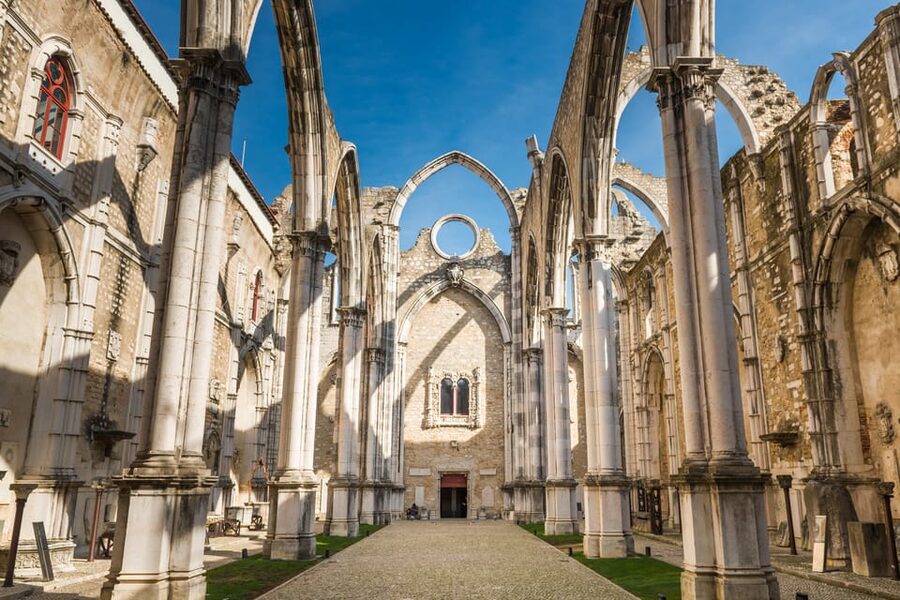
Then comes Carmo Convent, with a break, photo stop, and guided visit. Convent sites often feel especially meaningful in Lisbon because they connect the city to its layered past. Even if you only spend a short window there, guided context makes it easier to understand what you’re looking at, instead of just moving along.
You end this stretch at Miradouro de São Pedro de Alcântara, where the viewpoint time is longer. This area is one of the best payoff stops in the city because you get a strong view while the guide can point out what directions and neighborhoods you’re seeing.





Estrela Basilica: a calm pause in the middle of a busy day
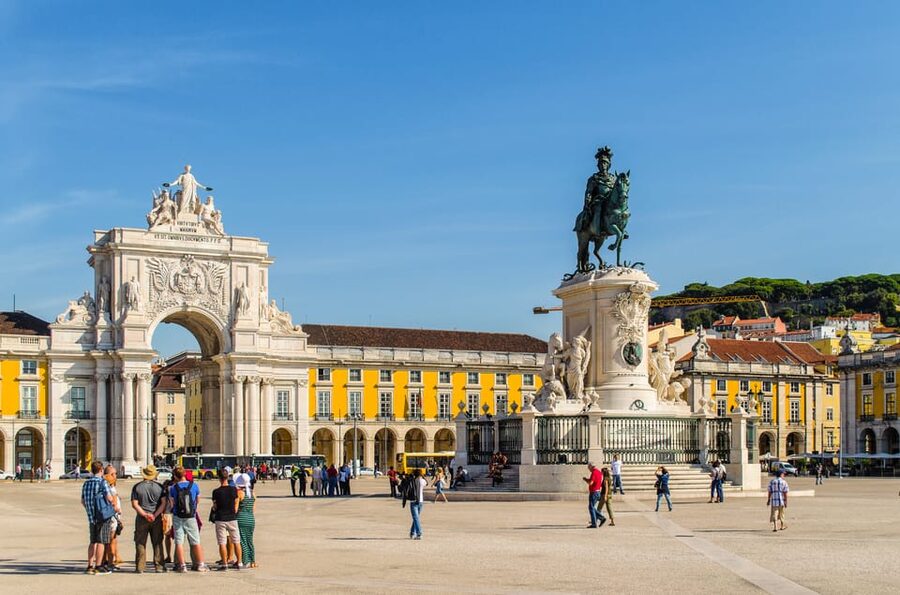
The schedule then brings you to Estrela Basilica, with time for a break and guided visit plus sightseeing. This is a smart mid-to-late day placement. It gives you a more grounded, slower feel after all the hill viewpoints and quick photo pauses.
In practical terms, this stop is where you can reset. If you’ve been taking photos nonstop, it’s a good chance to sit for a moment, listen, and let your brain catch up. The basilica area also helps you understand the way Lisbon spreads beyond the most immediate tourist lanes.
Possible drawback: if your main goal is only Belém and the waterfront, Estrela can feel like a detour. Still, it’s more than a filler stop. It adds variety so the day doesn’t feel like one long photo loop.
Heading west to Belém: UNESCO sites tied to the Age of Discoveries
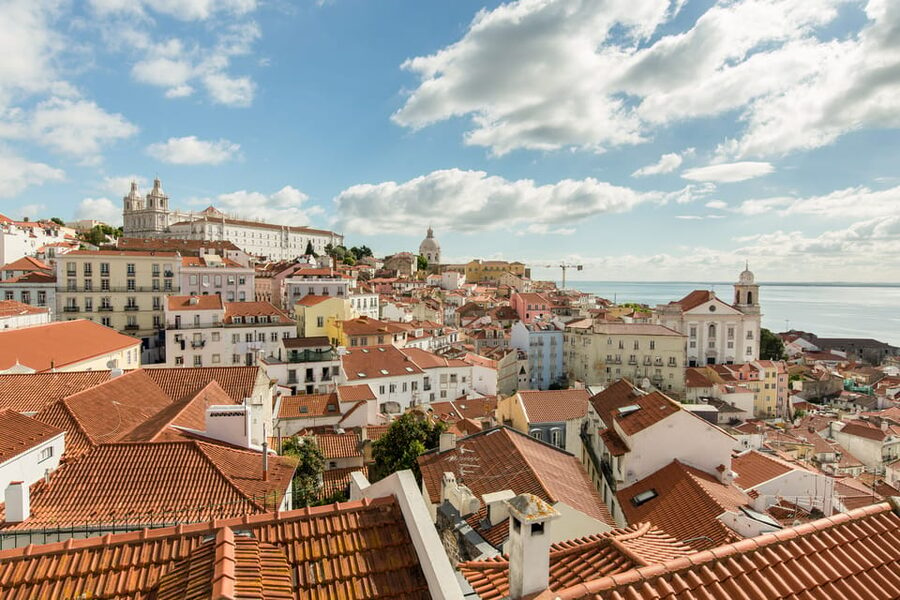
Next, the tour turns toward Belém, and this is where the big, dramatic landmark sequence begins. Belém is about Portugal’s outward-looking story—ships, explorers, and a city shaped by that era.
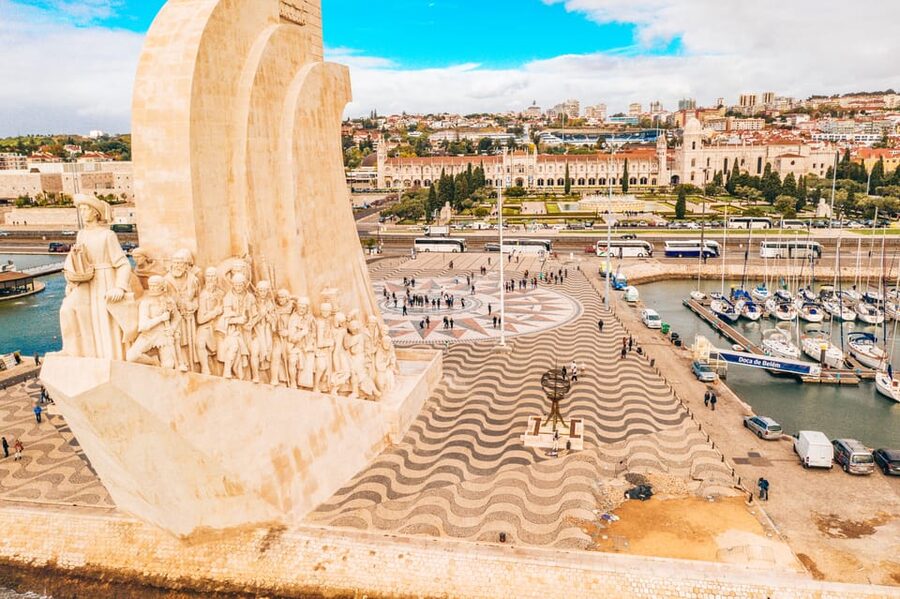
You’ll see and visit Belém Tower, with a break for photos and guided time. Then you continue to the Monument to the Discoveries and the Jerónimos Monastery—both major stops, including photo time and a guided visit. The Jerónimos Monastery and Belém Tower are UNESCO World Heritage Sites linked to Manueline Gothic architecture, so your guide can help you spot the style instead of treating them as just famous buildings.
One of my favorite parts about including UNESCO sites on a tour like this: you don’t have to guess what’s worth noticing. You’re not reading alone in a crowd. You have a German-speaking guide who can point out what makes these places historically specific.
Practical note: UNESCO sites often involve lines and tight viewing areas. Since your day is scheduled in a tight 4–6 hour window, keeping a calm pace with your guide helps you maximize your time without rushing your photos.
Rossio, Santa Justa Lift, and Praça do Comércio: Lisbon’s classic photo circuit
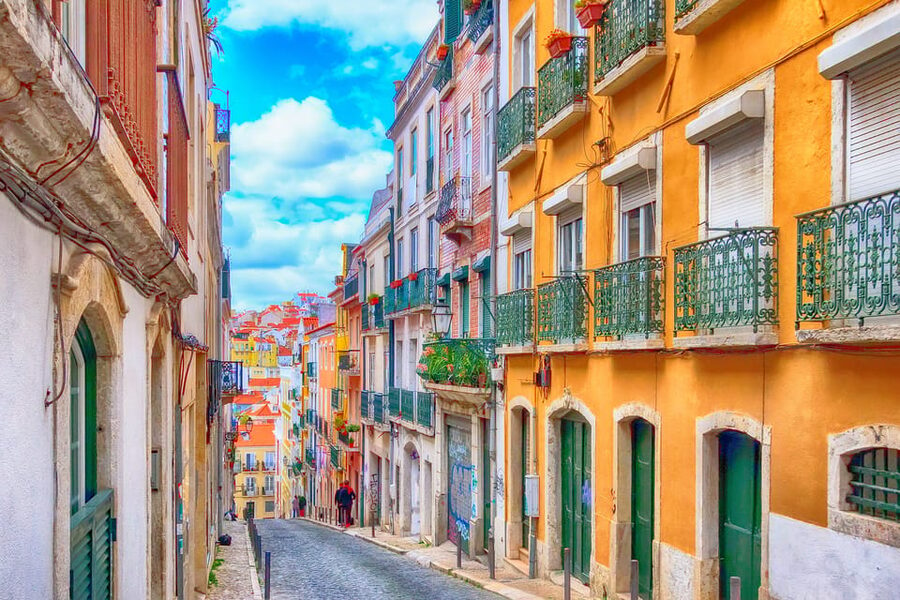
Before and during the Belém push, you’ll also pass through or stop briefly at Lisbon’s famous central landmarks. You’ll see Rossio Square with sightseeing time, then the Santa Justa Lift area for sightseeing. After that comes Praça do Comércio, a short stop with sightseeing that acts like a visual reset—open space after narrow streets.
These short moments matter because they connect the dots. They show how Lisbon’s grand public spaces sit between older neighborhoods and the route toward the river.
You’ll also have a quick stop at Praça Luís de Camões and a pass by Pink Street. These are the kind of stops that work best as photo and orientation moments. If you want deeper exploration of any single neighborhood, the guide’s flexibility lets you shift your priorities, so don’t be afraid to request more time where you liked the vibe most.
Pastéis de Belém: plan it like a pro
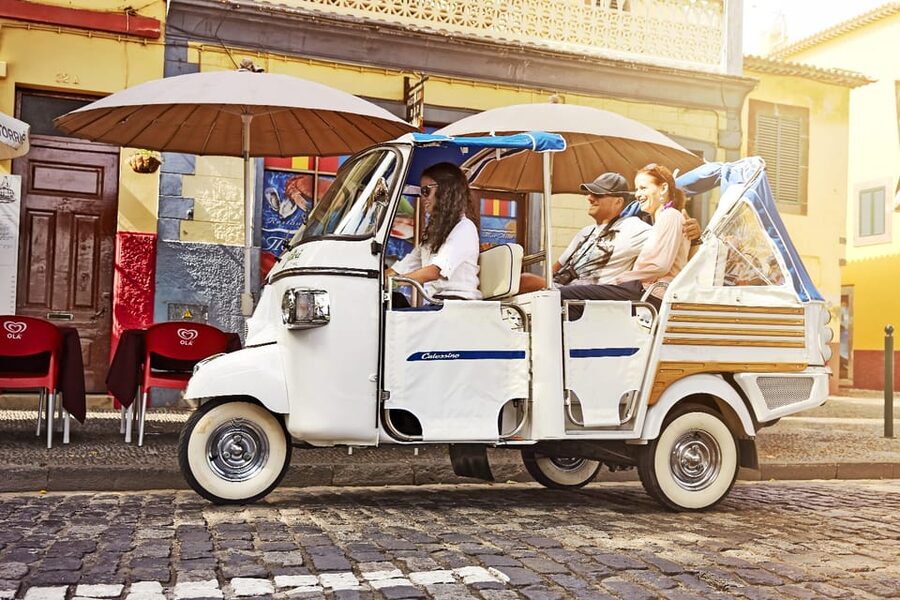
Belém ends with a planned stop for Pastéis de Belém and a short break time. This is the easiest part to underestimate because it seems like just a snack. But timing matters: you’re already in Belém after the big UNESCO stops, so you’re not spending your day hunting for the treat—you’re simply finishing the story with the food that matches the area.
The good approach is to treat this as a short pause, not a long meal. You’ll likely only have limited time, so go for one pastry per person if you’re sharing, or pair it with water and move on when your guide signals the pickup point.
If you’re sensitive to heat, choose your seating thoughtfully. This is one of the most popular times for Belém to feel busy, so your guide can help you position yourself for comfort while keeping the rest of your schedule intact.
Cascais marina option: a nice add-on if your route stretches west
The tour highlights mention exploring the charming marina of Cascais. Lisbon and Cascais can feel like two different moods, and adding the marina can give your day a lighter, waterfront finish.
Because the exact flow depends on how your guide builds your route, I’d treat Cascais as a planning conversation rather than a guarantee. If you care about the marina vibe, tell your German-speaking guide early so they can shape the westward timing around it.
Price and value: $318 per group up to 4
Let’s talk money in a way that actually helps you decide. The price is $318 per group for up to 4 people, for a tour running about 4–6 hours with hotel pickup and drop-off and a private German-speaking guide.
What that means in real terms:
- For 4 people, you’re effectively around $80 per person, which is often close to the price of a typical group tour—but with way more control.
- For 2 people, it becomes more like $159 per person, which is still fair when you factor in personalization and the coverage of multiple landmark zones.
- For solo travelers, the cost is higher per person, so you should book only if you truly want a tailored route or you’re planning multiple stops and don’t want to coordinate transport alone.
My take: this is a strong value when you can split the cost and when you’re the type who wants to choose the day’s priorities (viewpoints, churches, Belém landmarks, and yes, a pastry stop). If you already know exactly where you want to go and you enjoy navigating without a guide, you might prefer renting transport and doing it on your own.
Who this tuk tuk tour is best for
This is a great fit if you:
- want a private, German-speaking guide and you’d rather ask questions than read everything on your phone
- like seeing many iconic spots in one outing, especially viewpoints in older neighborhoods
- want Belém’s big hits without the stress of stitching together multiple bus or tram rides
- travel with family or friends and can make the group price work for you
It may feel less ideal if you:
- want slow, in-depth museum time at every stop (this tour prioritizes variety over long stays)
- plan to do a lot of extra attractions on your own during the same day (you’ll lose the rhythm the guide is managing)
Should you book this Lisbon Grand Experience tuk tuk tour in German?
If you’re aiming for a smart first visit, or you want to reframe Lisbon with viewpoints and landmark context, I think this is an easy yes—especially when your group has 3–4 people. The biggest reason is simple: you get route control with a German-speaking guide, and that turns famous places into something you can actually understand while you’re standing there.
Book it if your priority is: quick orientation + iconic stops + Belém’s UNESCO sequence + a Pastéis de Belém break. Skip it if you’re looking for long downtime or you want to spend hours inside one site. For the right traveler, this is an efficient and genuinely enjoyable way to experience Lisbon without feeling like you’re rushing blindly.
FAQ
What language is the tour guide?
The live tour guide speaks German.
How long is the Lisbon Grand Experience tuk tuk tour?
It lasts about 4 to 6 hours.
Is this a private group tour?
Yes. It’s listed as a private group.
Where does the tour start?
It includes pickup in Lisbon (hotel pickup is included).
How many people can be in the group?
The price is per group up to 4 people.
Does the tour include hotel pickup and drop-off?
Yes. Hotel pickup and drop-off are included.
Does the tour visit Belém and its UNESCO landmarks?
Yes. The itinerary includes Belém, and it features stops at Belém Tower and Jerónimos Monastery.
Is there a stop to try Pastéis de Belém?
Yes. There is a dedicated stop/break time for Pastéis de Belém.
Can I cancel for a refund?
Free cancellation is available up to 24 hours in advance for a full refund.