REVIEW · NEGOMBO
From Negombo: City Tour & Fishing Village Tour by Tuk-Tuk
Book on GetYourGuide →Operated by Sign of Lanka (Pvt) Ltd · Bookable on GetYourGuide
Four hours, five big stories. This Negombo tuk-tuk tour strings together the coast’s daily work and its colonial and religious layers, from the fish landing docks to a dragon-mouth temple.
I really like the mix of Lellama seafood market and the places that explain why Negombo looks the way it does, like St. Mary’s Church (construction resumed in 1874 and finished in 1922) and the Portuguese-to-Dutch fort story. I also like how the route saves your last 30 minutes for Angurukaramulla Temple, including that dragon’s mouth entrance and a 300-year-old mossy ruin of an ancient library.
One thing to plan for: on certain religious holidays, some stops can be closed (the fish market has been reported closed on Good Friday), though your guide may adjust with added sightseeing. If your dates are sensitive, keep a flexible mindset.
In This Review
- Quick Hits Before You Go
- A Four-Hour Negombo Mix: Fishing Life, Colonial Corners, and Temples
- Getting There by Tuk-Tuk: Pickup Zones and How the Morning Flows
- Lellama Seafood Market: Watching Negombo Work Before the Crowds
- St. Mary’s Church: Portuguese-Era Faith with a Long Construction Timeline
- Sri Singama Kali Amman Kovil: Murals, Sculptures, and a Temple You Can Read
- Hamilton Canal: A British-Built Waterway Linking Puttalam and Colombo
- Dutch Fort: Portuguese Origins and a Pentagonal Rebuild in the 1640s
- Angurukaramulla Temple: Dragon’s Mouth Entrance and a Mossy Ancient Library Ruin
- Price and Value: Is $40 Worth a 4-Hour Tuk-Tuk Circuit?
- What You Should Wear, Bring, and Expect During the Visits
- Guide Quality and Group Setup: Why the Morning Can Feel Easy
- Who This Tour Suits Best (and Who Might Prefer Something Else)
- Should You Book This Negombo Tuk-Tuk City and Fishing Village Tour?
- FAQ
- FAQ
- What time does the tour start in Negombo?
- How long is the tour?
- Where are the pickup and drop-off locations?
- What places are included on the route?
- Are entrance fees included?
- Do I get water and refreshments?
- Is there a cancellation policy?
Quick Hits Before You Go
- Tuk-tuk convenience for a tight 4-hour loop with hotel pickup and return
- Lellama market fishing action where you can watch the day’s catch come in
- Two major faith stops close together: St. Mary’s Church and Sri Singama Kali Amman Kovil
- British-era Hamilton Canal and its historic role linking waterways
- Dutch Fort with Portuguese roots, rebuilt in a pentagonal shape in the 1640s
- Angurukaramulla’s dragon-mouth entry plus the mossy remains of an old library
A Four-Hour Negombo Mix: Fishing Life, Colonial Corners, and Temples
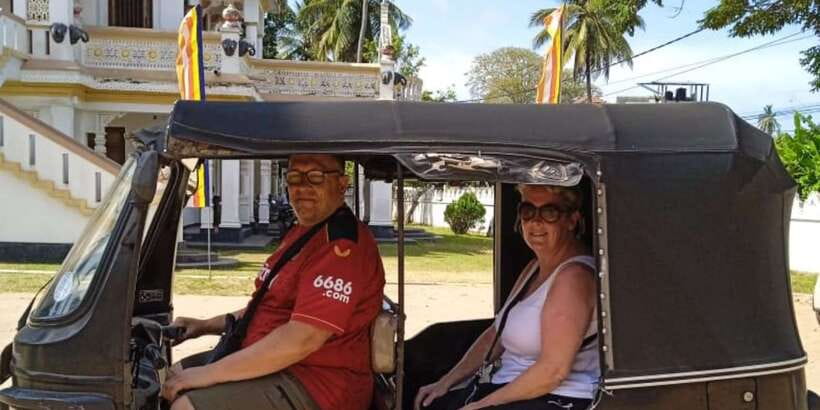
This tour is designed for people who want real Negombo, not just a quick photo march. You’ll move through working waterfront life, then pivot into historic structures and religious sites that show how Portuguese, Dutch, British, and local Sri Lankan culture all overlap in one small geography.
The pace is also part of the value. In about four hours you get a full “greatest hits” arc—market, churches/temples, canals, fort, and the Angurukaramulla finish—without feeling like you’re trapped in a car the whole time.
Getting There by Tuk-Tuk: Pickup Zones and How the Morning Flows
You start with hotel pickup at 8:00, with different pickup options across the area. The tour lists pick-up from Waikkal, Kammala, Negombo, Wattala, and Katunayake, then it brings you back to drop-off in the same general set of places.
Expect a guided rhythm: a bit of driving, then short photo stops, then time to walk, then a visit. Breaks are built in, which matters on a compact tour—otherwise the day can feel like nonstop standing in the heat.
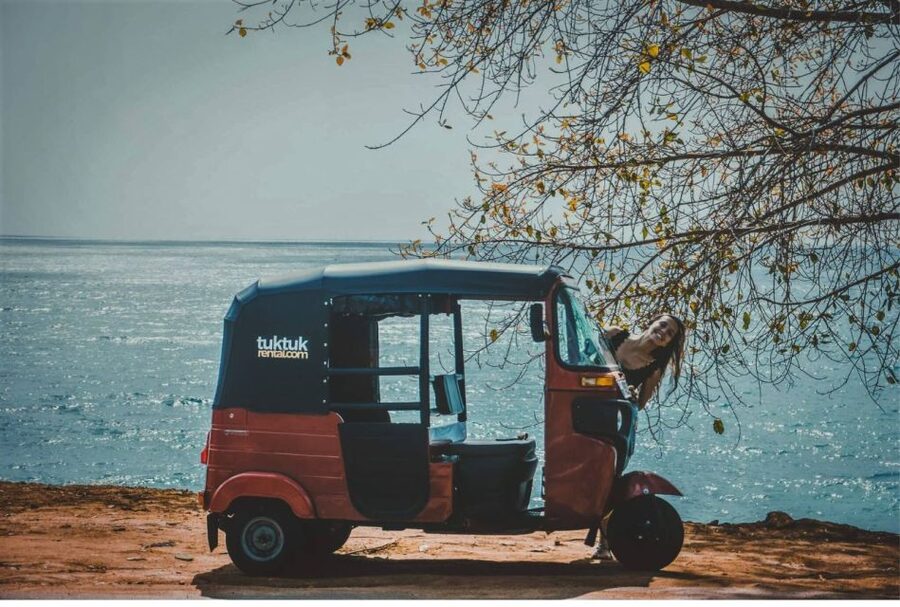
If you prefer your sightseeing with fewer transitions, this is a good fit. The tuk-tuk keeps things light and local, and it also helps you feel the city moving around you instead of just passing it through a window.
Lellama Seafood Market: Watching Negombo Work Before the Crowds
Your morning begins at the seafood market area at Lellama, timed for that early slice of daily life. This is where Negombo’s fishing industry shows its backbone: local fishermen bringing in the day’s catch, with the sights and sounds that come with real work rather than staged performance.
What I like here for you: it sets context for everything after. Once you’ve seen the fishing economy up close, the rest of the tour makes more sense—Dutch and Portuguese activity along the coast, canal trade routes, and why Negombo grew into a major urban center.
Practical note: the fish market can be closed on some holidays (Good Friday has been reported), so don’t plan on only that one moment. The better approach is to treat Lellama as a chance to understand the fishing culture, then let your guide handle the day if access changes.
St. Mary’s Church: Portuguese-Era Faith with a Long Construction Timeline

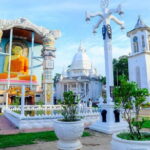
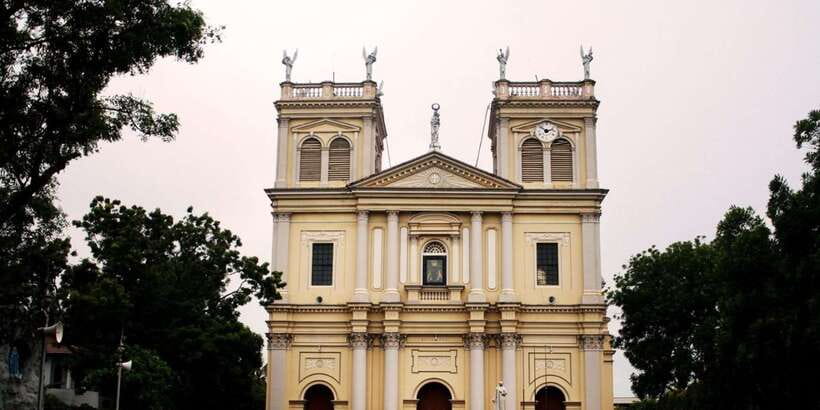
Next up is St. Mary’s Church, tied to Negombo’s Christian heritage dating back to the Portuguese colonial period. The key detail is the construction timeline: work resumed in 1874 and it was completed in 1922.
That long gap matters. It means the church isn’t just a single-era monument; it reflects how communities kept rebuilding and finishing major projects over time. If you like architecture that shows effort and continuity, this stop gives you something to look for beyond a quick exterior glance.
Try to slow down for a moment here. Even if you’re not religious, it’s an easy place to pick up the sense of how foreign influences blended with local life over generations.
Sri Singama Kali Amman Kovil: Murals, Sculptures, and a Temple You Can Read
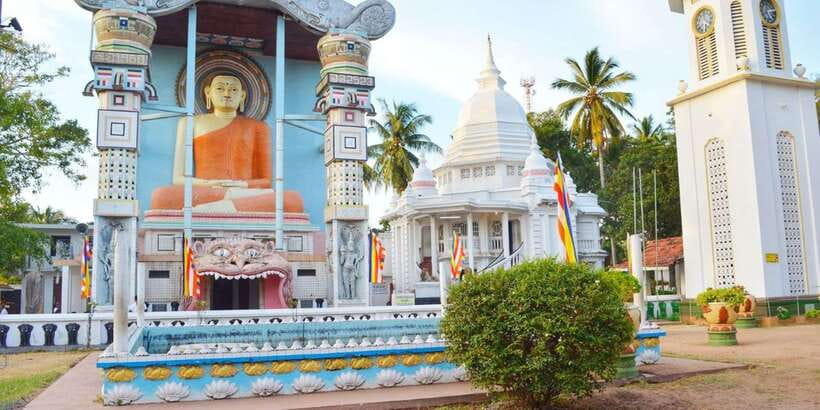
After the church, you’ll head to Sri Singama Kali Amman Kovil, a Hindu temple known for murals and sculptures. This is a temple where the visual language is the point—you can often “read” a site through decorative details even if you don’t know every symbol.
I like this pairing with St. Mary’s because it’s not one religious stop followed by unrelated driving. You’re seeing two communities shaping Negombo in different ways, close enough in time that it feels like a single cultural lesson.
If you’re interested in photography, this is also a strong stop. The surfaces and figures typically reward careful looking rather than just quick shots.
Hamilton Canal: A British-Built Waterway Linking Puttalam and Colombo
Then comes Hamilton Canal, a 14.5 km waterway connecting Puttalam with Colombo. The British built it in 1802, and it played a role in transportation and trade.
This is one of those stops where it helps to think in systems. When you understand canals, you start to see why ports matter, why inland connections matter, and why colonial powers invested in water routes. It’s not just a scenic stretch; it’s infrastructure that shaped movement and commerce.
You may get photo time and a look at the canal area, but even a brief visit pays off if you keep the historic purpose in mind.
Dutch Fort: Portuguese Origins and a Pentagonal Rebuild in the 1640s
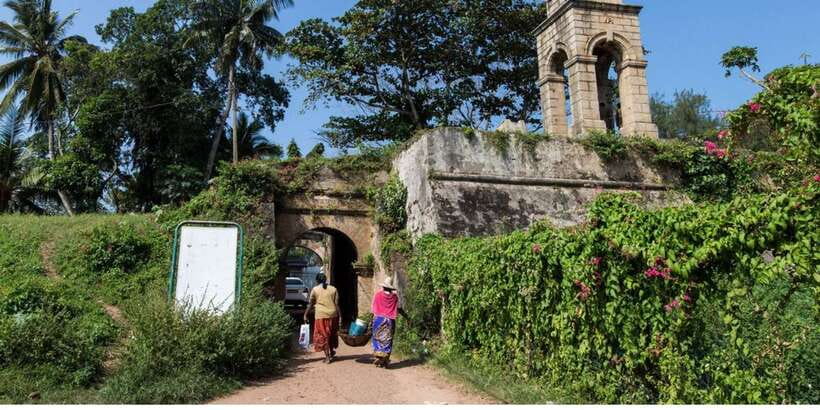
The tour then visits Negombo Dutch Fort. The fort began with Portuguese construction, then later the Dutch rebuilt it in a pentagonal shape in the 1640s.
That mix of Portuguese to Dutch is a big reason this stop works. You’re not just looking at walls—you’re seeing how different European powers left fingerprints on the same coastal zone. Fort design also tells you what they valued: defense, control, and a strong perimeter.
Look for the shape and structure when you’re there. The pentagonal form isn’t something you notice if you rush, but once you clock the geometry, it becomes a clearer story on the ground.
Angurukaramulla Temple: Dragon’s Mouth Entrance and a Mossy Ancient Library Ruin
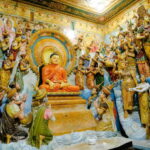
Your final stop is Angurukaramulla Temple, one of Negombo’s best-known temples. The signature feature is passing through a dragon’s mouth entrance, which is believed to help ward off evil spirits.
Then there’s the surprise for many people: within the temple grounds, you can see a 300-year-old moss-covered ruin of an ancient library. That detail turns the visit from purely symbolic into something more contemplative—time, weathering, and the slow return of nature onto old structures.
I like placing this at the end of the tour because it gives your brain somewhere to land after history and practical sights. It also makes the walk feel meaningful rather than hurried.
Price and Value: Is $40 Worth a 4-Hour Tuk-Tuk Circuit?
The price is listed at $40 per person for a 4-hour tour, with pickup and return by tuk-tuk. For this route, you’re getting more than transport. The package includes entrance fees to the listed stops, fuel surcharge, driver charges, and even parking fees, plus complimentary refreshments and water.
So where does the value really come from? In a short window, you’re paying for a guided route that hits multiple major sites without you having to plan transport and timing. You also get a live English-speaking guide, which helps a lot when you’re trying to understand what you’re looking at—especially at sites with layered colonial and religious contexts.
If you’re staying in the wider Negombo area and want maximum “coverage” in one morning, the price feels reasonable because so many costs that add up on your own are bundled here.
What You Should Wear, Bring, and Expect During the Visits
You’ll spend time walking and looking at temples, churches, and fort grounds. It helps to wear comfortable footwear and plan for sun exposure, especially since the tour starts in the morning and includes several stops in sequence.
Bring a charged smartphone and a passport or ID card (a copy is accepted). This matters because you may need ID for tour check-in, and having your phone charged is useful for photos and navigation between stops.
Also plan to use your breaks wisely. The schedule includes break time built in, so don’t treat this like a silent marathon—use the pauses to hydrate and reset your eyes before the next historical stop.
Guide Quality and Group Setup: Why the Morning Can Feel Easy
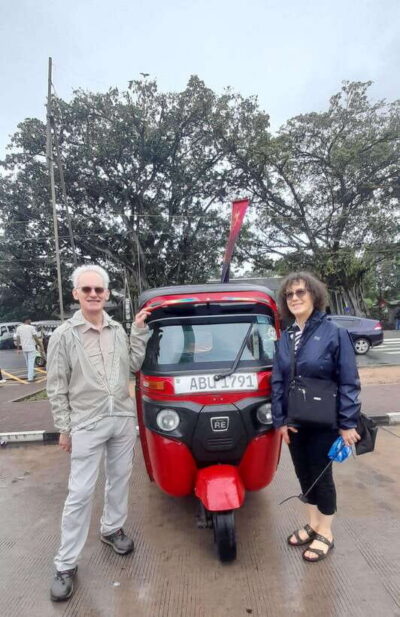
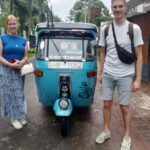
This tour runs with a private group, but you might still be spread across multiple tuk-tuks depending on group size. One example booking described a group of eight people in four tuk-tuks, so you’ll move as a small caravan rather than one single vehicle.
The biggest advantage of this style is that you still get personal guidance while keeping logistics smooth. In the feedback, punctuality and strong explanations came up more than once, with guides named such as Samantha for clear site context. Others mentioned drivers like Fernando and Simon as helpful and attentive.
If you’re the type who wants better photos, it also helps when your guide is comfortable moving you to good photo angles. One booking mentioned a guide who was also a great photographer—nice bonus when you’re dealing with churches, murals, canal views, and fort shapes.
Who This Tour Suits Best (and Who Might Prefer Something Else)
This is a great match if:
- you want a high-yield overview of Negombo in one morning
- you like combining working waterfront life with cultural and historic stops
- you prefer guided context, especially at religious sites and the fort
It might be less ideal if:
- you only want one specific theme (like only beaches, only history, or only fishing)
- you’re traveling on a holiday where one key stop (like the fish market) might be closed
Even then, the tour’s design aims to keep the morning productive, so the day usually doesn’t collapse if one location changes.
Should You Book This Negombo Tuk-Tuk City and Fishing Village Tour?
If your goal is an efficient, guided snapshot of Negombo—fishing culture at Lellama, the church and the Hindu temple, canal and fort history, then Angurukaramulla as a memorable closing—this is a smart booking.
I’d especially recommend it if you’re staying around Negombo, Katunayake, Waikkal, Kammala, or Wattala and you don’t want the hassle of coordinating tuk-tuks or tuk-tuk timing between distant stops. The bundled entrances, water, and guide-led explanations make the $40 feel like a straightforward deal for a compact morning.
FAQ
FAQ
What time does the tour start in Negombo?
It starts with pickup from your hotel at 8:00, and the tour activities begin shortly after.
How long is the tour?
The duration is 4 hours.
Where are the pickup and drop-off locations?
Pickup options include Waikkal, Kammala, Negombo, Wattala, and Katunayake, and drop-off options include those same areas.
What places are included on the route?
The tour includes Lellama seafood market, St. Mary’s Church, Sri Singama Kali Amman Kovil, Hamilton Canal, Negombo Dutch Fort, and Angurukaramulla Temple.
Are entrance fees included?
Yes. Entrance fees for the sightseeing places mentioned in the program are included.
Do I get water and refreshments?
Yes. The package includes complimentary refreshments and water.
Is there a cancellation policy?
The tour offers free cancellation up to 24 hours in advance for a full refund.