REVIEW · LISBON
All Historical Lisbon Tuk Tuk Tour
Book on GetYourGuide →Operated by Soul Trippin Tours · Bookable on GetYourGuide
Lisbon’s hills beg for a smart shortcut. This private 4-hour electric tuk tuk tour mixes big-name history with viewpoint stops, all while you avoid the stress of parking and hopping between neighborhoods. I like that you can cover the old center plus Belém without burning a whole day on transit, and I also like the pacing—short stops, guided moments where it counts, and plenty of chances to look up and take photos. One thing to consider: with so many places packed in, not every stop is a long visit, and Lisbon Cathedral’s entry isn’t included.
What makes it work best is the combination of door-to-door pickup (with multiple pickup/drop-off options) and a guide who can tailor the flow. Guides named João have stood out for being patient, accommodating, and ready to answer questions on the spot—exactly what you want when you’re bouncing between squares, churches, and miradouros. If you hate crowds, love short walks with context, and want a history-and-views mix, this is a strong fit; if you’re expecting museum-heavy deep dives, you may feel a bit rushed.
In This Review
- Key takeaways before you book
- Why a 4-hour electric tuk tuk tour works in Lisbon
- Pickup, drop-off, and riding comfort in a tuk tuk for up to 6
- From Restauradores to Rossio: the central Lisbon intro you won’t regret
- Church of Saint Anthony and Lisbon Cathedral: short guided stops with big atmosphere
- Miradouros of Santa Luzia and Portas do Sol: learning to read the city from above
- Alfama and the viewpoints web: Graca, São Vicente, and the climb you feel in your legs
- Praça do Comércio, Chiado, and Bairro Alto: Lisbon’s dramatic contrasts
- Convento do Carmo and Santa Justa: guided architecture in tight time
- Estrela Gardens and Basilica: a calmer stop before Belém’s big monuments
- Belém: Pastéis de Belém, Jerónimos, and Tower-with-a-story
- MAAT: finishing with modern Lisbon’s art-and-architecture angle
- Price of $175: what you’re paying for (and when it’s a good deal)
- Who this tour suits best (and who might want something else)
- Should you book? My decision guide
- FAQ
- How long is the All Historical Lisbon Tuk Tuk Tour?
- What does the tour price include?
- Is entry to Lisbon Cathedral included?
- How many people can ride in the tuk-tuk?
- What languages are available for the live guide?
- Is free cancellation available?
Key takeaways before you book

- 100% electric tuk-tuks: smooth, low-fuss rides with up to 6 people in a private setup
- Two Lisbon worlds in one tour: historic center viewpoints and then Belém’s waterfront heritage
- Guided time where it matters: churches, miradouros, and major landmarks get the short guided treatment
- Photo stops that still teach: you don’t just park and stare—your guide gives you what to notice
- A practical break for food: a stop at Pastéis de Belém is built into the schedule
Why a 4-hour electric tuk tuk tour works in Lisbon

Lisbon rewards slow travel, but it also punishes wasted time. Streets are narrow, hills are real, and moving between Alfama, Chiado, and Belém can eat hours if you’re doing it on your own. This tour is built for the “I want the highlights fast, but with real context” traveler.
You get a clear structure: many famous spots are passed by while you’re repositioned, then the tour switches into short guided moments—churches, viewpoints, and landmark areas. That approach keeps the experience efficient without turning it into a boring drive-by. The payoff is a sense of how Lisbon connects: squares link into stair-stepping neighborhoods, miradouros explain the geography, and Belém shows the city outward toward the Atlantic.
And because it’s private, you’re not stuck following a huge crowd with a guide shouting over wind and traffic. For first-timers, that can be the difference between seeing “pretty buildings” and actually understanding what you’re looking at.
You can also read our reviews of more tours and experiences in Lisbon.



Pickup, drop-off, and riding comfort in a tuk tuk for up to 6
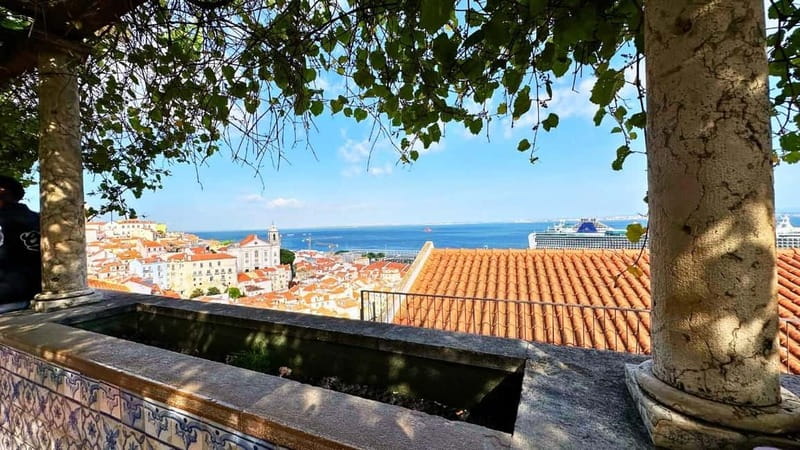
This experience is set up around city-center access. You can start with hotel/apartment pickup, and you’ll choose from 11 pickup options across places like Chiado, Baixa de Lisboa, Bairro Alto, Príncipe Real, Alfama, Santos-o-Velho, and more. Drops are flexible too, with 11 drop-off locations including Cais do Sodré, Lapa, Estrela, Chiado, and others.
That matters because tuk tuks are great for short stretches and tight routes, but the day still needs clean handoffs. If you’re staying in a central area, you won’t spend the first 30 minutes figuring out where to meet. It’s especially helpful if you’re traveling with anyone who finds steep streets tiring.
The vehicle itself is 100% electric and fits up to 6 people. In plain terms, you get:
- more breathing room for conversation with a small group
- less noise than older-style vehicles
- a smoother ride when you’re moving between higher viewpoints and lower streets
If you’re sensitive to vibration or you dislike open-air viewpoints, you’ll still be fine here—think of it as a comfortable, scenic city taxi with stops.
From Restauradores to Rossio: the central Lisbon intro you won’t regret

The tour starts by sweeping through the downtown spine. You pass Praça dos Restauradores and Rossio Square without stopping, which is a smart move: you get the quick orientation of where the city “sets the pace,” then the guide starts pulling you into the next layers.
After that comes the area around Elevador de Santa Justa (you pass it early, then you’ll revisit later with a planned stop). Downtown Lisbon is full of sudden vertical changes—streets drop, buildings cluster, and then a lift or viewpoint changes the whole outlook. Seeing Santa Justa from a couple angles helps you understand why it’s more than a tourist photo. It’s part of how Lisbon manages elevation.
Then you roll into Baixa de Lisboa and the surrounding center—again mostly by pass—so the guided walking time focuses where history is densest. This is one of the tour’s best “value for time” choices: you don’t waste guided minutes on streets that don’t need them.
If you like structure, you’ll appreciate how the guide uses the transit moments to connect the dots. It’s easier to remember the city when you’re not only standing still.
Church of Saint Anthony and Lisbon Cathedral: short guided stops with big atmosphere
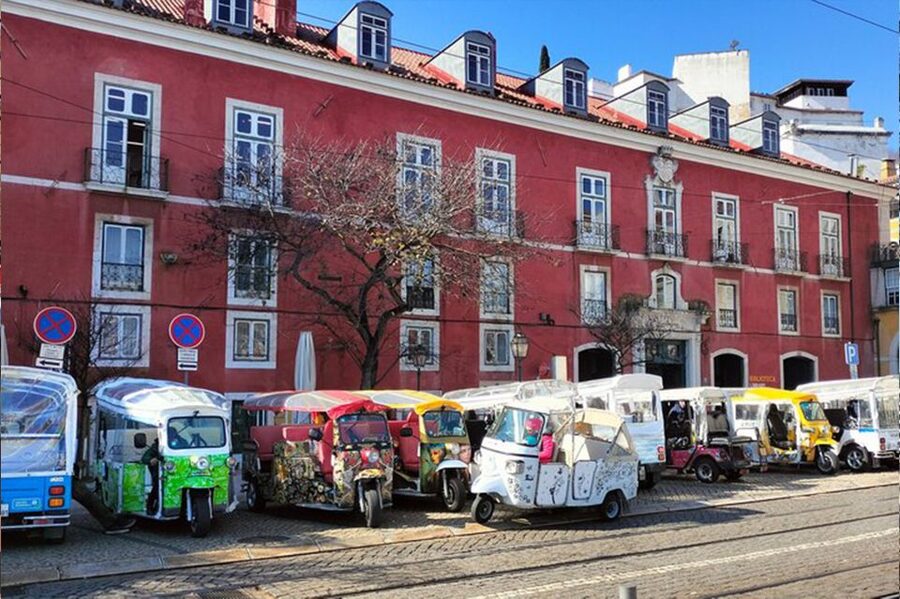
Two stops anchor the early historic sequence: the Church of Saint Anthony of Lisbon and Lisbon Cathedral.
At the Church of Saint Anthony, you get about 10 minutes of guided time. Even in a short window, a guide can point out what people usually miss on their own—where the building’s layout leads your eyes, and what the church’s role is in the surrounding neighborhood’s identity. This is the kind of stop where 10 minutes with context feels longer than it sounds.
Then comes Lisbon Cathedral, also around 10 minutes with guidance. One practical consideration: entry/admission to the cathedral isn’t included, so if you want inside time beyond whatever the guide covers on the spot, you may need to plan for an extra ticket cost. That doesn’t ruin the tour, but it’s worth knowing so you’re not surprised.
You’ll finish this central stretch with a shift from “monuments you can point at” to “views that explain the city.” That transition is important for Lisbon’s layout, especially if you’re heading toward Alfama next.
Miradouros of Santa Luzia and Portas do Sol: learning to read the city from above
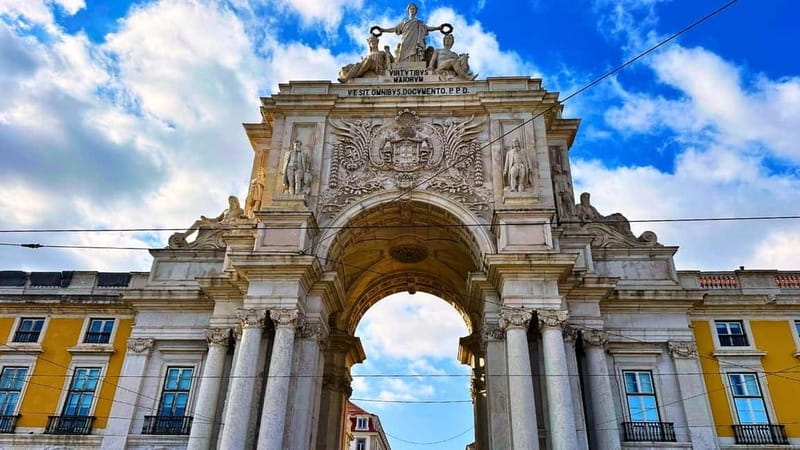
Lisbon’s miradouros aren’t just scenic stops. They’re the city’s own navigation system—your guide uses them to show how neighborhoods layer over one another. In this tour, you hit:
- Miradouro de Santa Luzia (photo stop plus guided moments)
- Miradouro das Portas do Sol (photo stop plus guided moments)
These are classic places for sweeping views, but the tour’s twist is that you’re not left guessing what you’re seeing. Your guide explains the relationship between the river direction, the hill neighborhoods, and why certain districts feel more “maze-like” as you go toward Alfama and Graça.
A practical tip: miradouros can be windy and crowded. If you’re hoping for a calm, unbroken panorama, go slightly patient with your timing. The photo stops are designed to get you the shots without turning the schedule into a waiting line.
From here, the tour moves through Graça & São Vicente mostly by pass, then you get another key viewpoint stop: Miradouro da Senhora do Monte with a photo stop, visit, and guided time (about 20 minutes). That longer stop gives your legs and eyes a breather after the central push.






Alfama and the viewpoints web: Graca, São Vicente, and the climb you feel in your legs
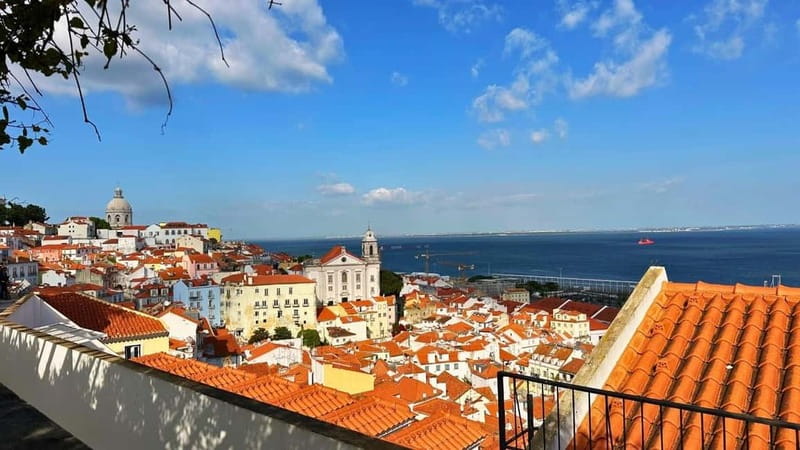
If you want one neighborhood that sums up Lisbon’s character, it’s Alfama. This tour gets you there, while also helping you understand why people keep coming back.
You pass Igreja de São Vicente de Fora and then head through the Alfama area. The route includes plenty of “pass-by” segments too—think of them as moving viewpoints. You’re getting visual context: street angles, rooflines, and the way plazas sit at the ends of stairs.
A highlight moment here is another viewpoint logic in motion: after passing through Graça & São Vicente, the tour includes Miradouro da Graca (you pass it on the route) and then Miradouro da Senhora do Monte (you stop longer). If you’re the type who loves geography, you’ll start seeing Lisbon as a set of ridgelines and corridors.
One possible drawback: Alfama-style areas can mean short, uneven walking stretches depending on where the guide positions you for photos and views. The tour doesn’t advertise long hikes, but you should still wear shoes that handle cobblestones and steps comfortably.
And then the schedule shifts again—away from the tight, historic streets toward the grander open square energy.
Praça do Comércio, Chiado, and Bairro Alto: Lisbon’s dramatic contrasts
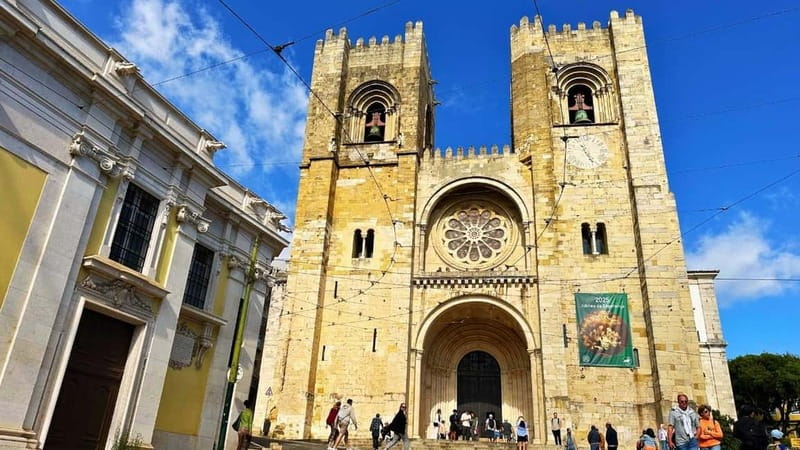
When the tour reaches Praca do Comercio (Terreiro do Paco), you’re stepping into Lisbon’s big-sky architecture moment. This is a classic pause-in-your-mind spot: the open square helps you reset your sense of scale after winding lanes and steep viewpoints.
Next comes Chiado and Praça Luís de Camões, then Bairro Alto. Here’s what I love about this segment: you’re not just jumping between neighborhoods. You’re seeing how Lisbon changes tone from refined center streets into the lively altitude of Bairro Alto.
The tour includes pass-by moments for several of these zones, which makes sense because the main timed visits land on specific landmarks next. But the guide still helps you notice what’s different. You start picking up patterns like: where you get wide pedestrian space versus where you get tight stone streets, and which streets seem built for wandering rather than commuting.
Then you switch from neighborhood vibe to two landmark clusters that pull you back into architecture and detail.
Convento do Carmo and Santa Justa: guided architecture in tight time
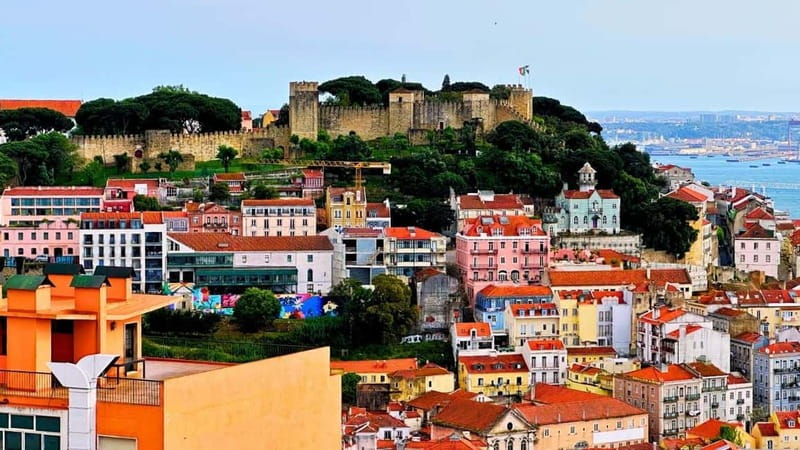
Two major guided stops in this stretch do a lot of heavy lifting: Convento do Carmo and the Elevador de Santa Justa area.
At Convento do Carmo, you’ll get a photo stop plus visit and guided time (about 10 minutes). This is the kind of site that works well in a short format because it’s visually unforgettable. The guide’s job is to connect what you’re looking at to the broader story—why it became such a recognizable landmark and how it fits the surrounding city fabric.
Then you’ll hit Elevador de Santa Justa again with a visit and guided time. Getting a second touchpoint on Santa Justa is a practical strategy: it gives you a better sense of the building’s place in Lisbon’s vertical logic.
After that comes Igreja de São Roque with photo stop plus visit and guided time (about 20 minutes). This is where the tour earns its “historical” reputation. Churches can be hard to appreciate quickly if you don’t know what to look for. With the guide’s short stop structure, you can still come away with a sense of craftsmanship and importance—without spending hours inside.
The same idea continues at Miradouro São Pedro de Alcântara (photo stop, visit, guided time around 20 minutes) in Bairro Alto’s orbit, and then Príncipe Real and Assembleia da República are passed by, so you understand the city isn’t only old stone.
Estrela Gardens and Basilica: a calmer stop before Belém’s big monuments

After the city’s center climbs and sightlines, the tour brings you to Estrela Gardens (photo stop, visit, guided time about 10 minutes) and the Estrela Basilica (photo stop plus visit and guided time).
This is a smart rest. Gardens and a major basilica offer a different mood than Alfama and the downtown squares. It’s also a helpful way to balance your day: you get a break from the tight streets, then you’re ready for Lisbon’s riverfront chapter.
The tour then passes 25 de Abril Bridge and Alcântara–Mar, which acts like a visual punctuation mark. Even if you don’t stop long, seeing the bridge on the route cues the shift toward Belém’s coastline.
From there, the schedule commits to Belém’s heritage landmarks.
Belém: Pastéis de Belém, Jerónimos, and Tower-with-a-story
Belém is where Lisbon tells its global story, and this tour gives it the time it needs.
You pass Palácio Nacional de Belém, then stop at Pastéis de Belém for a break time and regional food visit (about 10 minutes). This matters because it keeps the tour realistic. After hours of sightseeing, a short food reset helps you enjoy the next monuments without feeling wiped out.
Then comes Mosteiro dos Jerônimos with a visit and guided tour. After that, you pass Centro Cultural de Belém (CCB) and reach Torre de Belém for a photo stop plus visit and guided time (about 20 minutes). Your guide can connect what you see here to Lisbon’s maritime identity—so the tower isn’t just a photo background.
Next is the Monument to the Discoveries, which includes a visit and guided tour (about 15 minutes). This is a strong stop for people who like symbolism. You’ll have enough time to understand the monument’s place in the big narrative without being stuck on a single viewpoint for too long.
The tour also passes the Museu da Eletricidade, giving you one more modern-thread signal while you’re still in Belém’s historic zone.
MAAT: finishing with modern Lisbon’s art-and-architecture angle
To close the day, the tour goes to MAAT – Museum of Art, Architecture and Technology with a visit and guided tour.
This ending helps a lot. If your tour only focused on old buildings, Lisbon would feel like a museum with no present. Adding MAAT shifts the story: Lisbon keeps reinventing itself, and its architectural choices tell you that evolution isn’t just for postcards.
Also, because MAAT is a guided stop, it’s not just about walking in and hoping you get it. You’re given a framework for what to notice during your visit.
So by the time you ride back to your selected drop-off location, you’ll have a full arc: medieval-ish atmosphere, viewpoint geography, grand squares, and then a modern statement by the water.
Price of $175: what you’re paying for (and when it’s a good deal)
At $175 per person for a 4-hour private experience, you’re not buying a cheap ride—you’re buying efficiency plus a guide plus a vehicle built for Lisbon’s layout.
What you get that justifies the price:
- Private group setup (and your tuk-tuk fits up to 6)
- Local guide included throughout the guided portions
- Hotel/apartment pickup and city-center focus, which saves time
- Electric tuk-tuk transport, designed for moving between neighborhoods
- Insurance coverage for company liability and personal damage
Value-wise, this is strongest if you’re traveling with at least one other person (because you’re not paying for a “public bus” format) or if you want history explanations without switching between taxis, transit cards, and long walking stretches.
A fair consideration: if you’re on a solo budget and you already know you can handle steep walking and museum-entry planning, you might do it cheaper on your own. But if you want the city-connection story told in a single afternoon, the cost starts making sense fast.
Who this tour suits best (and who might want something else)
This works especially well for:
- first-time Lisbon visitors who want historic anchors plus views
- people who prefer a guided route over building an itinerary alone
- small groups up to 6 who want a private pace
- travelers who want both center landmarks and Belém highlights without two separate days
It may not be the best fit if:
- you want long museum time at multiple indoor exhibits
- you expect every stop to include entry/admission (some entries aren’t included, like Lisbon Cathedral)
- you dislike short visits and prefer slow, wandering hours in one neighborhood
In other words: it’s a smart sampler with guidance, not an all-day deep dive.
Should you book? My decision guide
Book this tour if you want to:
- get your bearings fast
- see the city’s most famous historical scenes in one organized loop
- spend your energy on photos, viewpoints, and learning—not on logistics
I’d pause before booking if you’re expecting long museum stays or guaranteed entrance to every major site. But for most people, the structure hits the right balance: short guided stops, a real lunch/food break at Pastéis de Belém, and a well-chosen finish at MAAT.
If your goal is a history-and-views afternoon that feels efficient without feeling rushed, this private electric tuk tuk format is a strong choice.
FAQ
How long is the All Historical Lisbon Tuk Tuk Tour?
The tour lasts 4 hours.
What does the tour price include?
It includes hotel/apartment pickup at city center, 15-minute stops on iconic monuments and sightseeing, a local guide, and company liability and personal damage insurance.
Is entry to Lisbon Cathedral included?
No. Entry/admission to Lisbon Cathedral is not included.
How many people can ride in the tuk-tuk?
The tuk-tuks are electric and can accommodate up to 6 people.
What languages are available for the live guide?
The live guide is available in English, Portuguese, Italian, and Spanish.
Is free cancellation available?
Yes. You can cancel up to 24 hours in advance for a full refund.