REVIEW · GQEBERHA
Port Elizabeth tuk-tuk tour, experience the natural beauty.
Book on GetYourGuide →Operated by SA Wild Escapes · Bookable on GetYourGuide
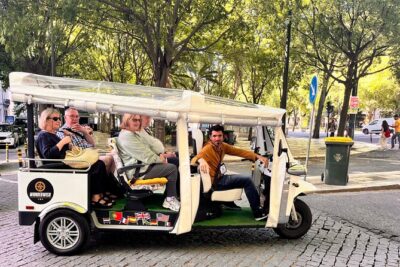
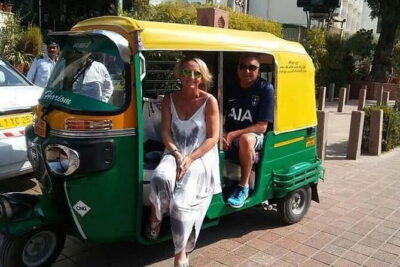
Tuk-tuks make Port Elizabeth feel instantly different. On this 3-hour ride around Nelson Mandela Bay, you get sea air in your face and a driver who turns major sights into something you actually understand. I like the mix of penguin rehabilitation and coastal viewpoints, so it is not just driving past landmarks.
My favorite part is how the guide brings the places to life in clear English, including heritage stops and wildlife care at Cape Recife. One thing to consider: timing and comfort can be weather-dependent, and on at least one tour the first hour reportedly did not run as planned in the tuk-tuk.
In This Review
- Key points worth knowing
- A tuk-tuk is the right tool for Nelson Mandela Bay
- How pickup works (and why it matters in Port Elizabeth)
- The beachfront stretch: wind, sea air, and quick photo wins
- Cape Recife Sanctuary: where the scenery becomes the point
- Penguin Rehabilitation Center: animal care you can actually see
- The practical vibe during the facility visit
- Cape Recife Lighthouse and Point: the classic view with real context
- WW2 Coastal Fortress Observation post: a history stop that stays short
- What makes the guide experience a big deal
- Price and value: does $151 per person make sense?
- Who this tuk-tuk tour is best for
- Weather and timing: your main variables
- Tips to get the most from your 3 hours
- Should you book this Port Elizabeth tuk-tuk tour?
- FAQ
- How long is the Port Elizabeth tuk-tuk tour?
- Where does the tour take place?
- What is included in the tour?
- What animal-related experience should I expect?
- Is the tour guided and in English?
- How much does it cost?
- How does pickup work?
- Is there free cancellation?
- Is pay later available?
- Is this mostly sightseeing or more activity?
Key points worth knowing

- Doorstep pickup: You choose the pickup point, like a hotel or guest house.
- Driver as guide: Guides like Sean (and drivers such as Anton in past runs) bring local context and answer questions.
- Cape Recife + penguins: You visit the Penguin Rehabilitation Center for a guided look at how birds are cared for.
- Cape Recife Lighthouse + Point: See the lighthouse area (founded in 1849) and the southernmost tip of Port Elizabeth.
- WW2 Coastal Fortress Observation post: A short, meaningful stop that adds historical perspective.
- Photography friendly coastline: Open viewpoints along the bay and headland make it easy to grab memorable photos.
A tuk-tuk is the right tool for Nelson Mandela Bay
A normal city tour can feel like a checklist. A tuk-tuk tour feels more like you are moving through a story. You slide along Nelson Mandela Bay and Cape Recife with the wind up front and the ocean in the air, which is exactly the kind of setting South Africa’s Eastern Cape does best.
What really sells this experience is the pairing: coastline views plus animal care. You are not only getting scenery; you are also seeing a rehabilitation operation and learning what happens between rescue, recovery, and release.
How pickup works (and why it matters in Port Elizabeth)
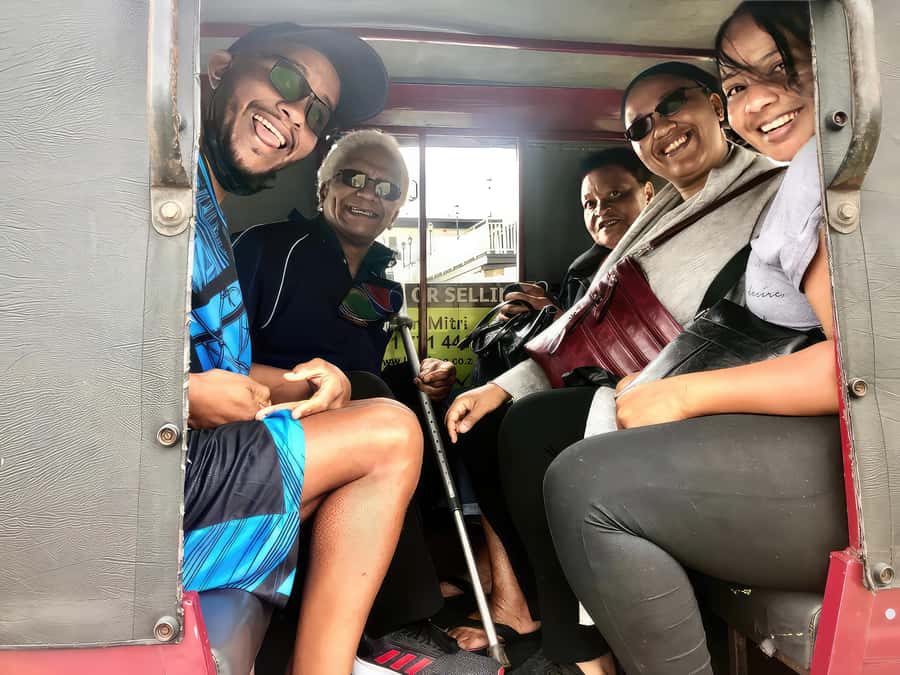
The tour is built around convenience. The operator collects you from your doorstep—whether that is a hotel or a guest house—and you pick the exact pickup location. That saves you time and reduces the stress of finding a meeting point in an area where street layouts can be a bit of a puzzle.
In practice, the tour runs for about 3 hours, and it is led in English by your guide for the duration. The guide is not just a driver. They are there to explain what you are seeing and to steer you toward the best viewpoints during the ride.
One note: a few past trips ran longer than the booked time, and one person reported a hiccup early on when the tuk-tuk was not used for the first hour. So if you are on a tight schedule, build in some buffer.
The beachfront stretch: wind, sea air, and quick photo wins
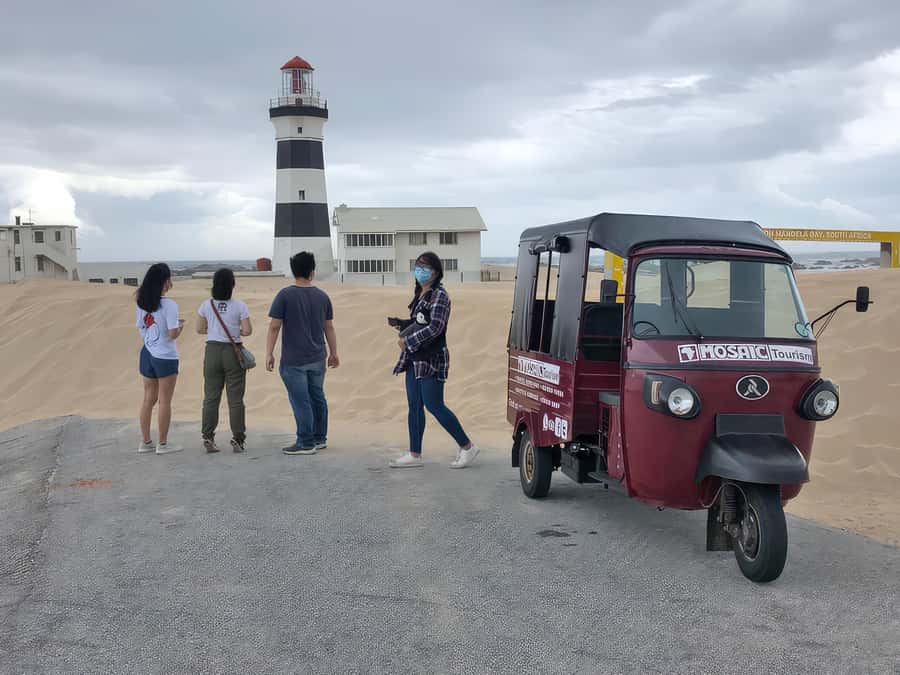
The route begins with a tuk-tuk drive along the pristine beachfront. This is the part where you feel the concept. You get that open-air sensation—wind in your hair, sea air in your nose, and enough movement to keep your attention without needing to constantly hop in and out.
As you ride, the guide helps you understand how the bay fits into Port Elizabeth’s layout and identity. You also get natural photo opportunities because the stops and viewpoints are placed for sightlines over the water.
In one example route, the tour started near the Hafentor area before shifting toward forts and the city center, then flowing back to the waterfront. That kind of sequencing makes sense: it gives you a city context before you head to the coast.
Cape Recife Sanctuary: where the scenery becomes the point
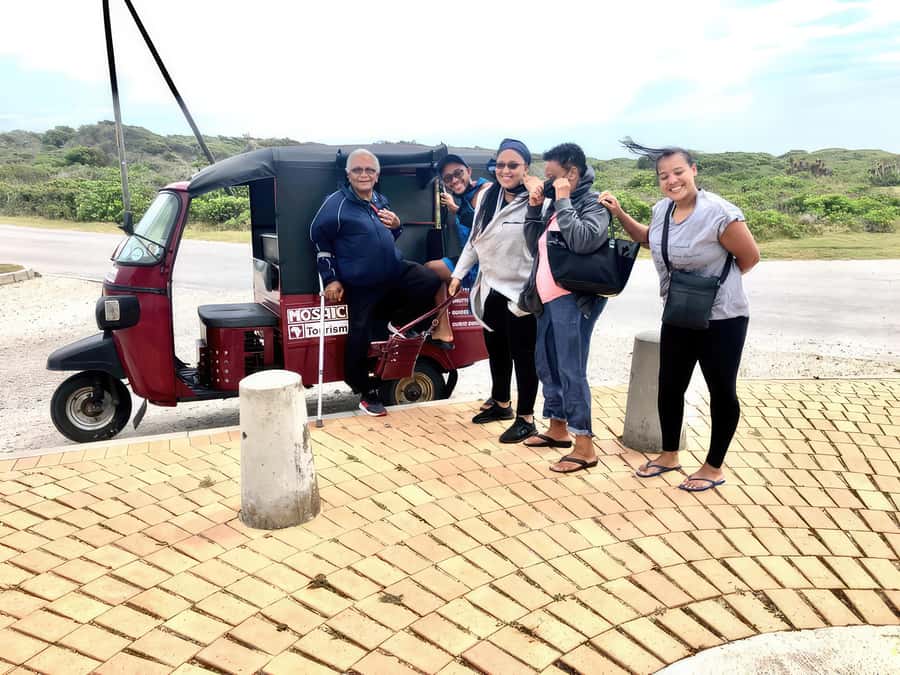
After the beachfront driving, you head into Cape Recife Sanctuary. This area is where the experience turns from city sightseeing into coastline wonder—headland views, dramatic edges, and a strong sense of being at the meeting point between land and sea.
This portion matters because Cape Recife is not a generic stop. It is tied to real wildlife work and real landscape edges that define the peninsula. You are not rushing through it; the tour plan sets you up to experience it in segments: sanctuary viewpoints first, then the wildlife facility.
Even if weather makes the bay look a little gray, it still works. Headlands and lighthouses do not need perfect sun to look good. In fact, changing light can make photos more interesting.
Penguin Rehabilitation Center: animal care you can actually see
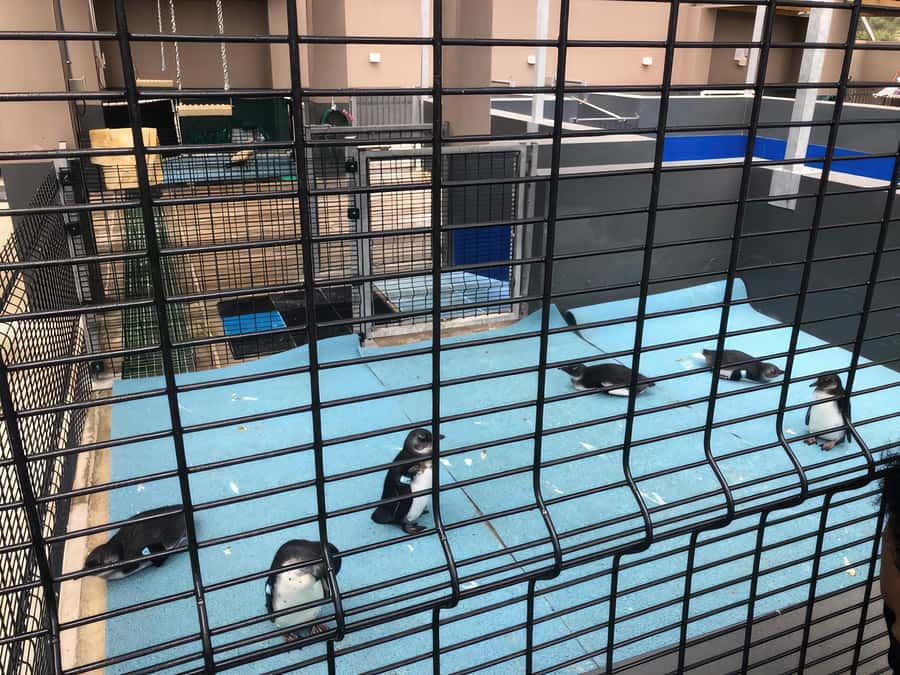
One of the most praised parts is the visit to the Penguin Rehabilitation Center, where you get a guided tour through the facility. This is the part that turns the trip from scenic to meaningful.
During your visit, you can see how the penguins are being cared for and prepared for future release. That behind-the-scenes look is valuable because you are not just looking at wildlife from a distance—you are seeing the process and the effort involved.
If you like learning while you travel, this stop does a great job. The guide’s explanations (in English) help you connect the dots between rescue, recovery, and why habitat and health matter.
The practical vibe during the facility visit
Expect a more calm, observational pace compared with the ride outdoors. You will likely spend more time standing, looking, and listening than moving quickly. Wear something comfortable and bring a light layer, since coastal weather can shift.
Cape Recife Lighthouse and Point: the classic view with real context
After the rehabilitation center, the tour continues deeper into the wildlife sanctuary to the Cape Recife Lighthouse and Point. This is where you get a clean, iconic coastal moment.
The lighthouse was founded in 1849, and the Point is considered the southernmost tip of Port Elizabeth. Those two facts are more than trivia. They help you place the headland historically and geographically, which makes the viewpoint feel larger than just another photo stop.
You will also have a good chance to take photos that actually remind you of the place. Lighthouses give you structure in your pictures, and headlands give you drama in the background—especially with the bay stretching out behind.
WW2 Coastal Fortress Observation post: a history stop that stays short
The tour also includes a WW2 Coastal Fortress Observation post. This is one of those stops that can be hit-or-miss on tours, but in this case it adds helpful context without dominating the schedule.
The value here is balance. You get wildlife care and coastal views, and then you add a layer of how this coastline mattered beyond tourism. It helps explain why people built along the water the way they did—because oceans shape trade, travel, and defense.
If you like seeing how a place has layers—nature plus human history—this stop fits perfectly.
What makes the guide experience a big deal
The driver-guide approach is not just a gimmick. It changes what you get out of the places you visit.
In past runs, the guides (including Anton and Sean as a referenced guide name) have been described as friendly, on time, and able to explain things in understandable English. People also praised guides who take time to answer questions, which turns the tour into more than just watching.
One practical upside: if you ask what you are seeing—about the coastline, the sanctuary, or the wildlife rescue work—you get answers in real time. That is how you leave with more than photos.
Price and value: does $151 per person make sense?
At $151 per person for about 3 hours, the value depends on what you care about.
You are paying for:
- Transport in a tuk-tuk (not just being driven in a bigger vehicle)
- Guided stops across the bay and into Cape Recife
- A guided visit to the Penguin Rehabilitation Center
- Access to specific photo and viewpoint areas like the lighthouse/Point
- A history add-on with the WW2 observation post
If you were to do these things on your own, you would likely spend money on separate transport and entry planning, plus time coordinating. This tour bundles it together with a guide who can explain what you are seeing while you ride.
So yes, the price can feel high at first glance. But for a short, guided, multi-stop experience that mixes nature + wildlife care + history, it can be a fair deal—especially if you want a coast-focused day without building an itinerary from scratch.
Who this tuk-tuk tour is best for
This is a strong fit for:
- First-time visitors who want a quick orientation to Nelson Mandela Bay and Cape Recife
- People who like coastal scenery but also want a purpose-driven stop (penguin rehab)
- Families and couples who want an active, open-air ride without intense hiking
- Anyone arriving on a short schedule, such as cruise-day travelers who want a focused half-day plan
It is less ideal if you:
- Hate being outdoors when the weather turns
- Need a perfectly strict clock for the whole day (since one report noted the tour ran longer than booked)
Weather and timing: your main variables
Coastal areas can change fast. Light rain, wind, or drizzle can affect how long you want to stay outside and how comfortable the tuk-tuk ride feels.
One past tour was shortened when weather turned after about two hours, and another had a coordination issue early on when the first hour reportedly did not happen as expected in the tuk-tuk. Those cases do not mean this tour always fails. They mean you should treat it like a real outdoor experience: plan with some flexibility.
If you are sensitive to wind or cold, bring a light jacket. If you get motion-sick easily, sit where the ride feels smoothest and go steady—tuk-tuks can bounce on uneven roads.
Tips to get the most from your 3 hours
- Ask the guide to set context early. Start with questions about what you are seeing from the bay and how Cape Recife fits into the city.
- Give yourself permission to take photos at the lighthouse and Point, because those are the moments where the visuals actually look different from city sightseeing.
- Wear shoes you can stand in comfortably during the facility and viewpoint stops.
- If you have dietary needs or strong timing plans, note that the tour schedule centers on sights and wildlife care, not dining. Build in time before or after.
Should you book this Port Elizabeth tuk-tuk tour?
I would book it if you want a short, guided experience that mixes coastal driving, real wildlife rehabilitation, and iconic Cape Recife views in one tidy plan.
I might skip it if you hate weather uncertainty or you are trying to squeeze this into a schedule with zero flexibility. Also, if you expect a strictly timed, perfectly consistent ride format every minute, keep your expectations grounded. Outdoor tours can wobble.
If you do book, you are choosing a tour that has one clear advantage: it gets you to the right places—then gives you the story behind them.
FAQ
How long is the Port Elizabeth tuk-tuk tour?
The tour lasts 3 hours.
Where does the tour take place?
It operates in the Eastern Cape, focusing on Nelson Mandela Bay and Port Elizabeth, including Cape Recife.
What is included in the tour?
The tour includes a tuk-tuk drive along the beachfront, a visit to Cape Recife Sanctuary, a guided tour of the Penguin Rehabilitation Center, time at the Cape Recife Lighthouse and Point, and a stop at a WW2 Coastal Fortress Observation post.
What animal-related experience should I expect?
You will visit the Penguin Rehabilitation Center and have a guided look at how penguins are cared for and prepared for future release.
Is the tour guided and in English?
Yes. There is a live tour guide in English.
How much does it cost?
The price is $151 per person.
How does pickup work?
You are collected from your chosen doorstep location, such as your hotel or guest house. You select where you want to be picked up.
Is there free cancellation?
Yes. You can cancel up to 24 hours in advance for a full refund.
Is pay later available?
Yes. You can reserve now and pay later, so you pay nothing today.
Is this mostly sightseeing or more activity?
It is a mix: you ride a tuk-tuk along the coast, then spend time at heritage and wildlife-related stops, including the rehabilitation center and lighthouse/Point viewpoints.