REVIEW · NARA
Nara: Cultural Heritage Tour by Rickshaw
Book on GetYourGuide →Operated by Ebisuya Rickshaw · Bookable on GetYourGuide
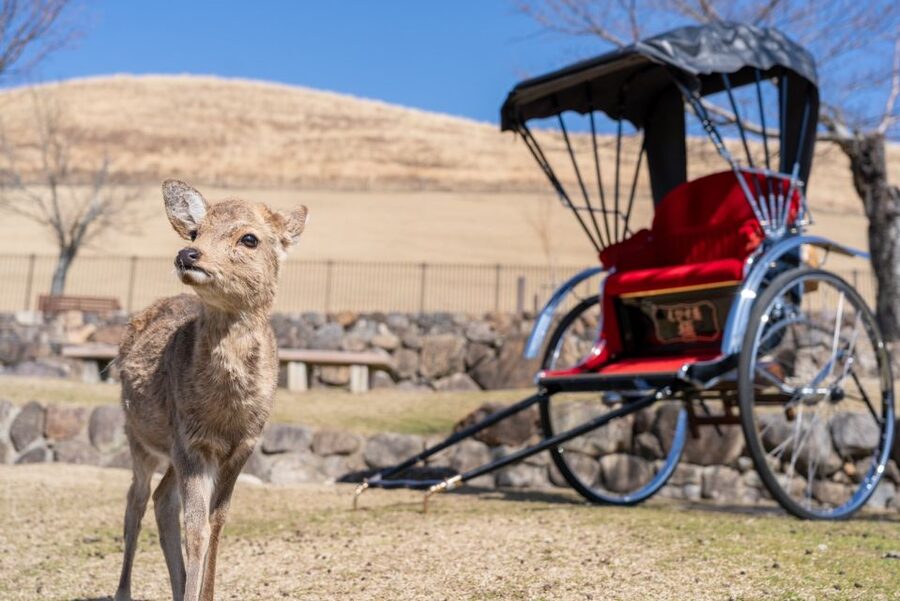
Nara by rickshaw makes history feel close. You start just outside Todaiji Temple, then ride in a private rickshaw with a guide who steers you through the sights at an easy pace. I especially like that you can add exactly what you care about—plus you get the classic moment of feeding deer biscuits to Nara’s tame deer.
The big win for me is how practical and tailored it feels. You’ll get informative explanations from a local guide, photo stops at scenic, camera-ready spots, and access to major landmarks like Todaiji’s Daibutsu (Vairocana) and other heritage locations depending on the option.
One thing to consider: rickshaws are only 21.1 inches (74 cm) wide, so if you want extra comfort (or you’re booking with more than one person), you might prefer separate rickshaws. Also, the tour isn’t recommended in the first 16 weeks of pregnancy, and it’s not ideal if you have back problems.
In This Review
- Key highlights you’ll actually feel during the ride
- How the Nara rickshaw experience works (and why it’s a smart choice)
- Starting near Todaiji: your “big centerpiece” moment first
- Option 1 (about 70 minutes): Mt. Wakakusa, grass views, and gentle deer
- Option 2 (about 130 minutes): Unkei Buddhist statues and major temple halls
- Option 3 (about 190 minutes): World Heritage sites plus Naramachi and sake tasting
- Customization: how to make the rickshaw route match your day
- What’s included (and what you should budget for)
- Logistics that matter: rickshaw comfort, kids, and what’s not allowed
- The “private guide” factor: what you gain beyond transport
- Should you book the Nara Cultural Heritage Tour by Rickshaw?
- FAQ
- Where does the tour start?
- What options and durations are available?
- What’s included in the price?
- Are temple admission fees included?
- What language is the guide available in?
- Can I feed the deer?
- Is the tour stroller- and wheelchair-friendly?
- What are the rules about children and seating?
- Are selfie sticks allowed?
- Can the tour end location be changed?
Key highlights you’ll actually feel during the ride
- Private, fully customizable route so you can match the tour to your pace and interests
- Todaiji Temple start point right by the famous Daibutsu area, which makes logistics simple
- Mt. Wakakusa deer feeding where the deer are described as gentle (biscuits provided)
- Unkei Buddhist statue focus if you pick the longer option with Kofukuji’s halls and Todaiji’s Nandaimon Gate
- World Heritage + sake option with stops at Todaiji and Kasuga Taisha, a ride through Naramachi, and sake sampling
- Photo stops built in so you’re not scrambling for pictures between temples
How the Nara rickshaw experience works (and why it’s a smart choice)
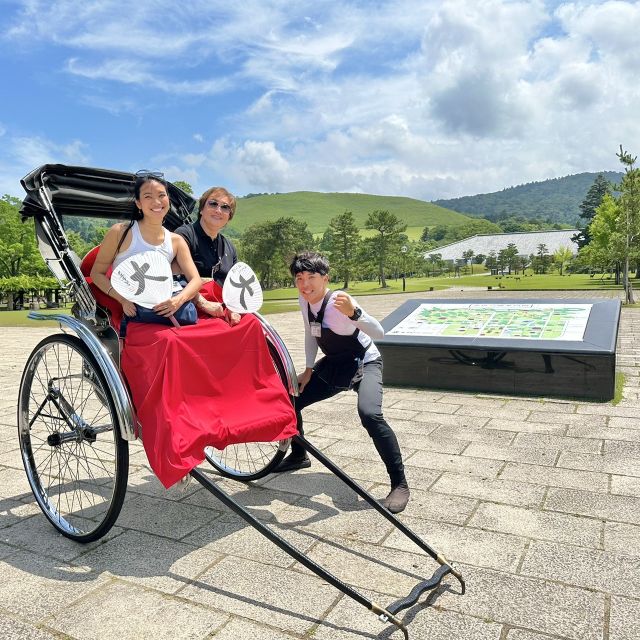
This tour is built around one simple idea: you don’t have to fight crowds or plan a tight route by yourself. Your guide and rickshaw meet near the Todaiji Temple area, then you head out together. You’ll see major highlights without spending your whole day on transit.
Because it’s a private group, the guide can slow down for questions, pause for a photo, or adjust the route based on what you want most that day. That matters in Nara, where the “must-sees” can stack up quickly. With a rickshaw, the experience stays human-sized. You’re not cramming. You’re moving.
The tour is offered in multiple time options, and your final itinerary depends on which one you book. The starting point is near Todaiji Temple, and your guide can also customize where you end up—usually back near the starting point, but not always.
Starting near Todaiji: your “big centerpiece” moment first
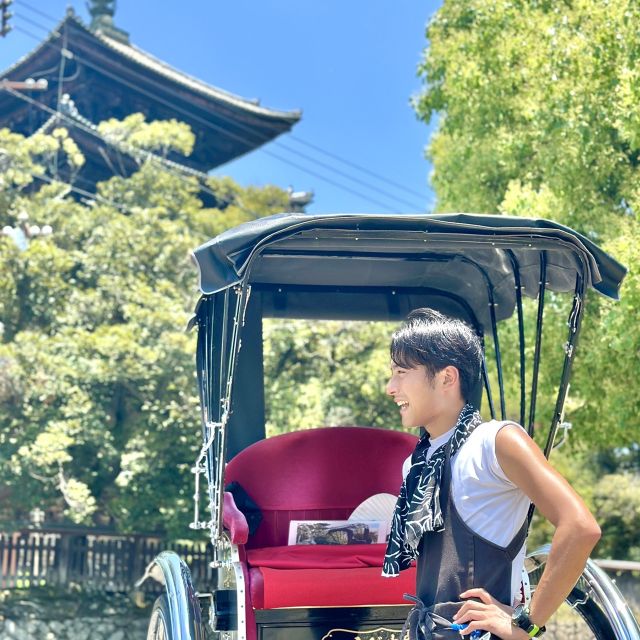
You begin just outside the intersection by Todaiji Temple. That location is intentional. Todaiji is tied to the world-famous bronze image of the Buddha Vairocana, known in Japanese as Daibutsu. Even if you don’t spend hours on every detail, being close from the start helps you orient fast.
From there, your guide leads the ride and the timing. If you choose the statue-heavy option, you’ll later include Todaiji’s Nandaimon Gate as part of the itinerary. If you choose a deer-and-view route, your focus shifts away from the main temple crowds and toward Nara’s hills.
Either way, the value here is that you’re not guessing where to go next. The guide knows how to sequence the sights so the day feels logical, not chaotic.
Option 1 (about 70 minutes): Mt. Wakakusa, grass views, and gentle deer
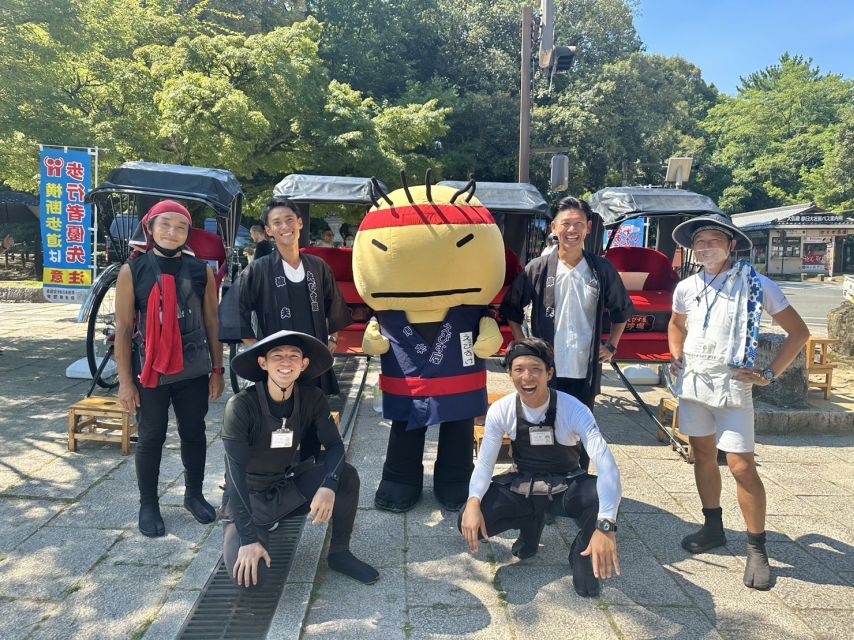
If you want an efficient taste of Nara with a low-stress pace, the 70-minute option is a great fit. You leave the historic temples and shrines behind and head for Mt. Wakakusa, a lush, grass-covered hill. On clear days, you can see the skyline of Nara city from up there.
This is also where the deer experience really changes. The deer at Mt. Wakakusa are described as gentle, and you’ll be able to feed them with deer biscuits provided by the company.
What I like about this option is that it balances Nara’s famous cultural sites with an outdoor break. You get a change of scenery, plus a simple activity that’s fun without needing any planning. It’s also a smart choice if you’re traveling with kids or you just don’t want a long day of temple walking.
A small consideration: Mt. Wakakusa depends on daylight and weather. If the sky is clear, the view is a bonus. If it’s cloudy, you’ll still get the grass-covered hillside atmosphere and the deer feeding, just with less skyline drama.
Option 2 (about 130 minutes): Unkei Buddhist statues and major temple halls
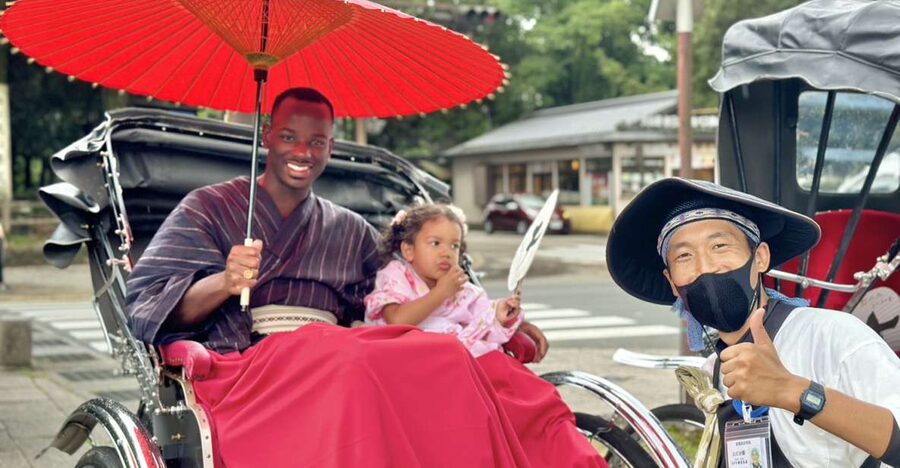
Choose the 130-minute option if you care about Buddhist art and sculptural detail. This route is called the Unkei Buddhist statue tour, and it’s aimed at people who want deeper context for what they’re seeing.
The itinerary includes visits to Kofukuji Temple’s National Treasure Hall, Tokondo Hall, and Chukondo Hall, plus Todaiji Temple’s Nandaimon Gate. Your guide provides detailed explanations about Nara and the Buddhist statues created by Japan’s talented sculptors—so you’re not just looking at things, you’re learning how to see them.
This option makes the most sense when:
- you enjoy artwork and want to understand what you’re viewing
- you want fewer “random stops” and more meaning per stop
- you’re the type who likes to ask why something looks the way it does
One practical note: the tour includes photo stops, but temple admission fees are not included. So if you’re budgeting, factor in entry costs separately.
Option 3 (about 190 minutes): World Heritage sites plus Naramachi and sake tasting
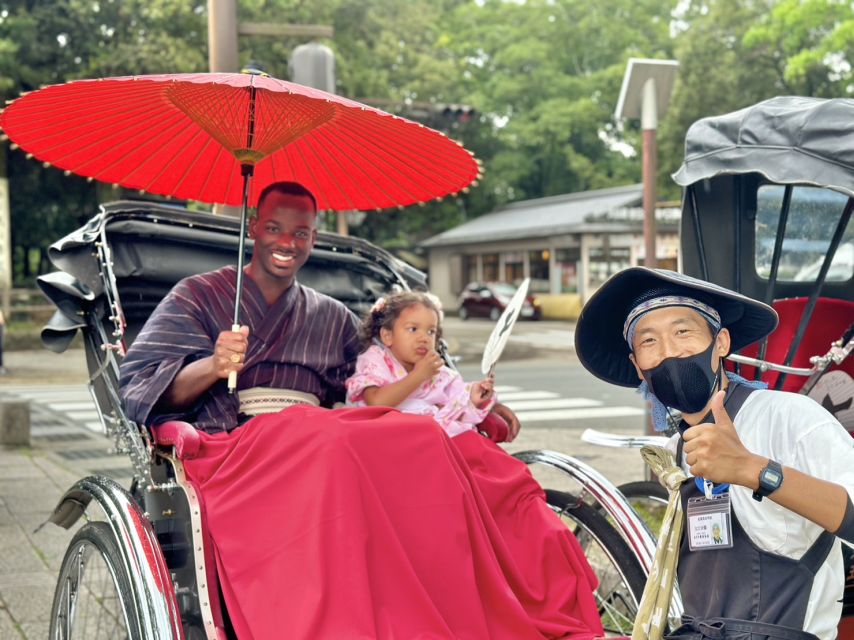
The 190-minute route is the one I’d pick if you want a rounded Nara day—temples, old town atmosphere, and something hands-on to do.
You’ll visit Nara’s proud World Heritage Sites: Todaiji Temple and Kasuga Taisha Shrine. You’ll also ride through Naramachi, where the older townscape remains. That “ride through” part matters. It helps you feel the city’s layout and character without having to map it all yourself on foot.
Then comes the fun food/drink break: a traditional sake brewery stop. You’ll get sake samples during the visit, and there’s an option to purchase a bottle to take home.
Why this option feels worth it:
- you get both major heritage destinations in one outing
- you see more than just temple grounds
- you end with a tasting moment that’s built into the plan, not tacked on
Just know that this is the longest option, so it works best if you’ve got enough energy for a full outing. If you’re short on time or you want a lighter day, the 70- or 130-minute options are the easier win.
Customization: how to make the rickshaw route match your day
Customization is one of the core reasons this tour is appealing. You can steer the experience toward what you care about—deer and views, Buddhist statue focus, or world heritage plus sake.
Here’s the best way to use that flexibility:
- If you’re traveling with mixed interests (one person wants deer, one wants temples), pick the route length that covers both—then ask your guide to fine-tune the stops.
- If you’re photo-heavy, request more photo pauses at the “instagrammable spots” rather than rushing between sights.
- If your timing is tight, choose the shorter option and use customization to prioritize the one thing you’d regret missing.
You’ll also generally finish back near where you started, but the finishing location can be customized. So if you’re connecting to another plan afterward, it’s worth asking your guide directly.
What’s included (and what you should budget for)
Included:
- Private rickshaw tour
- A local guide who explains what you’re seeing (Japanese or English)
- Photo stops at scenic spots along the route
Not included:
- Admission fees to temples
- Snacks and drinks
- Hotel pickup
Value reality check: at the listed price of $77 per person, you’re paying for private transportation plus interpretation plus built-in photo stops. If you were to line up a guide, transportation, and a planned route separately, this kind of packaged time often makes financial sense—especially when you want convenience more than DIY planning.
You’ll still want to budget for:
- temple entry fees (since these aren’t included)
- any drinks or snacks you want beyond what’s provided
- optional sake purchases if you want a bottle to take home on the 190-minute route
Logistics that matter: rickshaw comfort, kids, and what’s not allowed
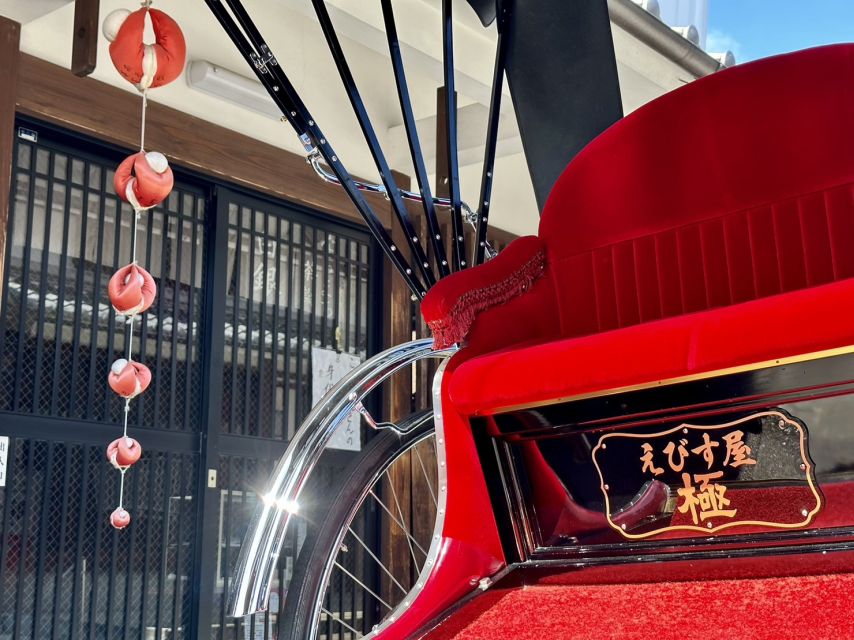
This is a rickshaw ride, which means comfort rules are different from a car.
Key points to plan around:
- Maximum of 2 adults per rickshaw
- Up to 2 children age 5 and under can ride with 2 adults, but the children have to ride on an adult’s lap
- If a child age 5 uses one of the 2 seats, they must book as an adult (full fare)
- Rickshaws fit 2 adults, but the width is 21.1 inches (74 cm), so separate rickshaws may be more comfortable for some groups
- Wheelchair- and stroller-friendly
- Selfie sticks are not allowed
Health fit:
- Not recommended for expecting mothers in their first 16 weeks of pregnancy
- Not suitable for people with back problems
In plain terms: if you want an easy, low-effort way to see Nara’s highlights, this works well. If you’re sensitive to tight seating or back strain, talk to your guide and consider separate rickshaws.
The “private guide” factor: what you gain beyond transport
A big part of the value is the guide’s role. You’re not just being taken from point A to point B. The guide explains what you’re looking at and helps you understand the sites in a way that fits your route length.
In particular:
- The 130-minute Unkei tour is designed for people who care about Buddhist statues and want clear explanations while you’re at Kofukuji’s halls and Todaiji’s Nandaimon Gate.
- The shorter deer-and-view option is designed for fun and ease, with deer biscuits and the grass-covered Mt. Wakakusa scenery.
- The 190-minute option adds the old-town ride through Naramachi and the sake tasting moment, so your day doesn’t feel like only temples.
Even if you’re not a deep-art-history person, the guide helps you avoid the common problem in Nara: seeing a lot, but not really knowing what matters most.
Should you book the Nara Cultural Heritage Tour by Rickshaw?
Yes, if you want a Nara day that feels personal and efficient. This tour is a strong choice when you value:
- a private setup that you can customize
- easy access to major Nara landmarks from a convenient starting point near Todaiji
- a fun deer feeding moment (especially on the Mt. Wakakusa route)
- built-in explanations that match the option you choose
- optional additions like world heritage sites, old town scenery, and sake sampling
Maybe choose a different style if:
- you’re dealing with back issues or you’re in the first 16 weeks of pregnancy
- you’re expecting a very long, walking-heavy day on your own terms (this tour is about riding and smart sequencing)
If you’re deciding between options, use this shortcut: pick 70 minutes for deer + views, 130 minutes for Buddhist statue focus, and 190 minutes for World Heritage + Naramachi + sake.
FAQ
Where does the tour start?
The meeting point may vary depending on the option booked, but the tour begins just outside the intersection by Todaiji Temple.
What options and durations are available?
You can book a 1 hour 10 minutes option, a 2 hours 10 minutes option, or a 3 hours 10 minutes option.
What’s included in the price?
The tour includes a private rickshaw, a local guide, and photo stops along the way.
Are temple admission fees included?
No. Admission fees to temples are not included.
What language is the guide available in?
The live guide is available in Japanese and English.
Can I feed the deer?
Yes, deer biscuits are provided for feeding. The deer at Mt. Wakakusa are described as gentle, while the ones by Todaiji Temple are described as ferocious.
Is the tour stroller- and wheelchair-friendly?
Yes. Wheelchair- and stroller-friendly is listed.
What are the rules about children and seating?
There is a maximum of 2 adults per rickshaw. Up to 2 children age 5 and under can ride with 2 adults on an adult’s lap. If a child age 5 uses one of the 2 seats, they must book as an adult.
Are selfie sticks allowed?
No, selfie sticks are not allowed.
Can the tour end location be changed?
Generally the tour finishes at the starting point, but the finishing location can be customized—ask your guide.