REVIEW · SIHANOUKVILLE
Kampot Tuktu tour: Pepper farm, Salt field & Secret lake
Book on Viator →Operated by Visit Kampot/Kep with Micki · Bookable on Viator
A Kampot day trip with salt, pepper, and a surprising lake. This tuktuk-style circuit takes you through countryside roads, then stacks in photo stops like an old limestone cave plus two working-world sights. I liked how the day feels varied without being rushed, especially with the calm pause at Secret Lake.
Two parts hit the sweet spot for me: the pepper farm visit with tasting, and the salt field stop that shows how Kampot produces a real, everyday product. One thing to plan around: the salt-field viewing depends on dry season, since the description notes workers collecting salt only then.
You’ll be in a small group (max 12) and out for about 4 hours, with hotel pickup and drop-off within Kampot town limits. Just note that lunch isn’t included, so you’ll want to eat before or after the tour.
In This Review
- Key highlights before you go
- A 4-hour Kampot countryside circuit by pickup, tuktuk rides, and short drives
- Price and logistics: why $20 per person can work here
- The pepper farm visit: guided tasting plus time to roam at your pace
- Salt field stop in Kampot: what you’ll see during dry season
- Secret Lake: a peaceful break with a history you’ll remember
- Cave photo stop: limestone views without a long detour
- Tuktuk rides and scenic drives: the glue that makes the route feel like a day out
- What’s included (and what you’ll pay out of pocket)
- Who this tour fits best (and who should skip it)
- Should you book the Kampot Tuktu pepper, salt field, and Secret Lake tour?
- FAQ
- How long is the Kampot Tuktu tour?
- What stops are included?
- Is hotel pickup and drop-off included?
- Does the tour include entrance fees?
- How does the pepper farm part work?
- Is the salt field visit always active?
- Is lunch included?
- What language will I get for the pepper farm tour?
Key highlights before you go
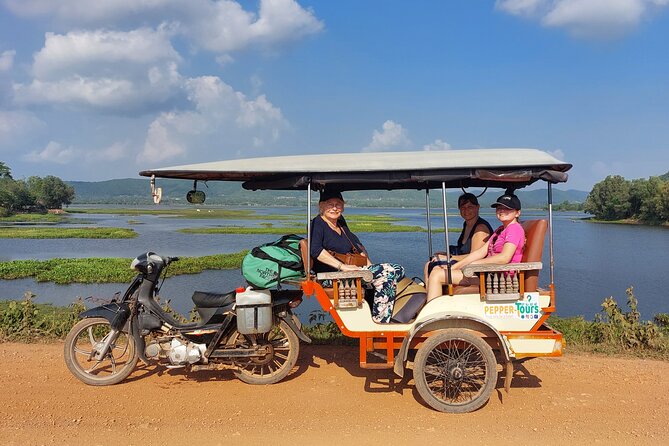
- Small-group pacing (up to 12 people) makes it easier to move, photograph, and ask questions.
- Pepper tasting on guided time at the farm, with free time to wander afterward.
- Dry-season salt field stop to see workers collecting salt (walking and photos allowed).
- Secret Lake break in an artificial reservoir area tied to the Khmer Rouge era.
- Cave photo stop included for quick pictures inside, while you’re already in the area.
A 4-hour Kampot countryside circuit by pickup, tuktuk rides, and short drives
This tour is built like a compact sampler of Kampot’s countryside. You start with hotel pickup in Kampot, then you’re on the road for scenic village drives pretty quickly. The whole thing runs about 4 hours, which is long enough to see real places but short enough that you don’t have to surrender your whole day.
The route mixes a couple transport styles: short tuktuk rides and scenic drives. That matters because you’re not just looking out a window the entire time. You stop, walk a bit, meet a guide at the pepper farm, and get a few moments where you can linger for photos.
Group size is also part of the value. With up to 12 people, you’re usually close enough to hear the guide and keep the tour from turning into a slow-moving bus parade. Also, the tour provider lists the driver-guide as Micki, and one review specifically calls out Micki as friendly and flexible, which is exactly what you want on a route that includes multiple short stops.
Price and logistics: why $20 per person can work here
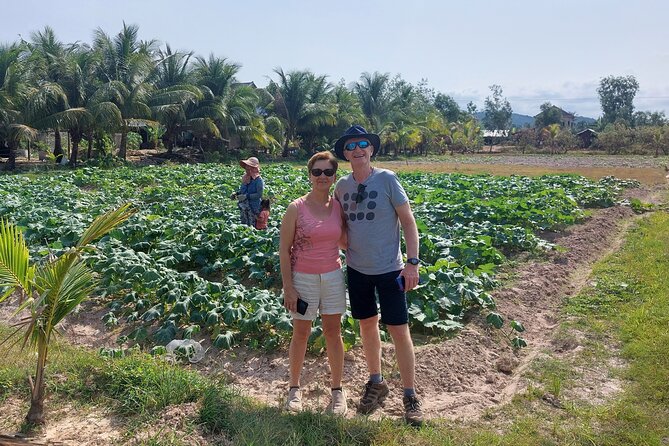
At $20 per person, this is priced like a budget-friendly day trip. But the value comes from what’s included, not just the number. You get hotel pickup and drop-off, entrance fees, and a guided visit at the pepper farm in English or French.
The trade-off is that some practical stuff is not included. Lunch is on you, and pickup/drop-off over 3 km outside Kampot center isn’t part of the package. If you’re staying near the center, this is straightforward; if you’re farther out, you may need to plan your own meeting point.
Also, the tour uses a mobile ticket and includes confirmation at booking. That’s handy in Cambodia, where plans can shift. And if the weather is poor, the activity notes it may be canceled and you’ll get another date or a full refund—so you’re not stuck hoping the sky cooperates.
The pepper farm visit: guided tasting plus time to roam at your pace
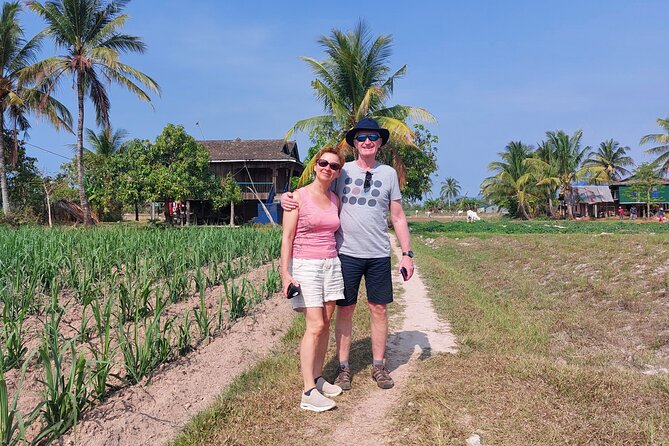
This is the core “hands-on” stop, and it’s timed well. You spend about 1 hour 30 minutes at the pepper plantation on a guided tour, either in English or French. They offer a pepper tasting as part of the walking tour, and the guide explains what you’re seeing while you move through the area.
Then comes the best part for independent travelers: you’re given the last 30 minutes on your own. That means you can slow down for photos, take a second look at whatever caught your eye, and not feel like you’re behind a script. It’s also the kind of time window that works well if you’re shopping-minded—pepper farms are one of those places where you might want to compare what you saw with what you’re thinking of buying.
A detail worth knowing: the farm tour is described as either La Plantation or the Bo Tree pepper farm. So expect a pepper-farm experience with guide-led context, tasting, and then free wandering. If you have a spice-spotter mindset, this portion is where your curiosity gets rewarded.
One small caution: this part is guided, and then it switches to self-guided time. If you really want lots of explanations, arrive with a few questions ready. The guide is your best source for how the farm works and what makes Kampot pepper distinct.
Salt field stop in Kampot: what you’ll see during dry season
The salt field is scheduled as a guided tour of the biggest salt field in Kampot. You’ll spend about 20 minutes here, with time to walk around and take photos. The key detail is the one that changes everything: it’s a dry-season activity for seeing workers collecting salt.
In other words, you might arrive expecting salt harvesting scenes and instead see a more still, empty-looking area if it isn’t dry season. That doesn’t mean the stop is useless—it still gives you context on the salt production landscape. But if your goal is action shots of salt workers at work, plan for timing.
This stop also explains why the tour is structured so tightly overall. Salt harvesting isn’t a constant show every day. The tour fits it in when conditions match, so you get something more than just a “walk past salt pans” moment.
Secret Lake: a peaceful break with a history you’ll remember
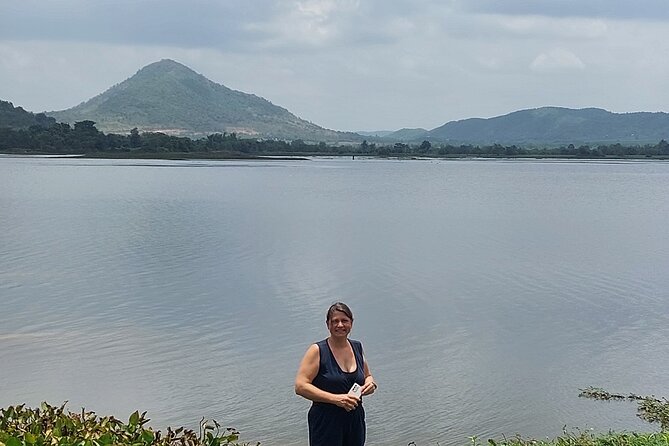
After the cave and tuktuk/scenic rides, you reach Secret Lake. It’s about a 30-minute stop, and the mood changes here. The lake area is described as an artificial reservoir built during the Khmer Rouge regime between 1975 and 1979, and it’s surrounded by hills with greenery. Even with that heavy context, the practical effect is calm: it’s a place to take a breath before you go into the pepper plantation.
This is one of those stops that makes the tour feel balanced. Salt field: production and work. Pepper farm: agriculture and taste. Secret Lake: a breather. If you’re traveling with people who get bored when tours become too repetitive, this pause often helps the whole group stay happy.
Also, naming matters. The lake is said to be named by international tourists who arrived without a recommended name. That little detail makes it feel less like a “museum label” and more like a place people actually land in, pause, and then keep moving. It’s an easy stop for photography too, since the description highlights the greenery and the peaceful atmosphere.
Cave photo stop: limestone views without a long detour
The itinerary includes an ancient limestone cave as a quick photo stop. It’s slotted into the route and paired with the tuktuk/scenic rides, so you don’t have to spend half a day commuting just to see it.
You’ll have a chance to capture photos inside the cave. The time pressure here is more about being efficient than about rushing you through. You’re not doing an all-day spelunking session; you’re grabbing the moment where the cave’s interior is worth a picture.
What I like about this stop is that it adds variety. Kampot is known for countryside agriculture, and this cave gives you a different visual texture—limestone shapes instead of just greenery and farms. Even if cave visits aren’t your thing, the photo opportunity is quick enough to keep your day on track.
Tuktuk rides and scenic drives: the glue that makes the route feel like a day out
The tour includes a tuktuk/scenic ride segment (around 20 minutes) where you get authentic countryside views as you move through Cambodian village areas. Then, after salt and Secret Lake, there’s another shorter tuktuk segment listed, plus the final return to town.
This matters because it turns the day from a “three stops and done” schedule into a coherent mini-adventure. You’re not just hopping from one checkbox to another. You’re experiencing the transfer days too, even if they’re short.
One more practical point: you’ll be in a group, and the route is timed. The benefit is that the driver can keep everyone moving and manage the flow at each stop. That’s where Micki’s flexibility comes in, based on the review note that pacing can adjust as required.
What’s included (and what you’ll pay out of pocket)
Here’s the included stuff that makes the price feel fair:
- Hotel pickup/drop-off in Kampot town
- Entrance fees
- An English speaking driver (described as a non-certified tour guide)
- Pepper farm guided tour in English or French
And here’s what’s not included:
- Breakfast and lunch
- Pickup/drop-off more than 3 km outside Kampot center
If you’re doing this as a day trip from the middle of town, you’ll likely spend very little additional money aside from meals. If you’re staying farther out, confirm how close you are to Kampot center first.
Who this tour fits best (and who should skip it)
I think this tour fits best if you want a short, well-rounded day in Kampot. It’s ideal for first-timers who want a pepper farm experience, a glimpse into salt production, and a calm nature/photo stop, all without booking separate activities.
It also makes sense if you enjoy guided context but still want some free time. The pepper farm structure does that well: guided tasting and explanations, then self-guided wandering at the end.
Skip or reconsider if:
- You’re traveling during a period that isn’t dry season and salt worker collection is your main goal.
- You want a longer deep learning experience at one single site. This tour spreads time across three different places.
Should you book the Kampot Tuktu pepper, salt field, and Secret Lake tour?
Yes, if you’re looking for strong value and variety in a compact 4-hour window. The combination of a guided pepper farm visit (with tasting), a salt field stop that can show real harvesting work in the right season, and a calm Secret Lake break makes the day feel purposeful.
I’d book it if you’re staying in or near Kampot town, since pickup/drop-off is part of the deal. And I’d especially consider it if you like tours that balance guided moments with time for your own photos and wandering.
Wait or choose your timing carefully if you’re coming outside dry season. The salt portion is specifically described as dry-season dependent for seeing workers collecting salt, so plan for the possibility that it may be quieter than you expect.
If you want a simple, efficient way to see a handful of Kampot highlights without going full-day-long, this is a smart match.
FAQ
How long is the Kampot Tuktu tour?
The tour is about 4 hours in total.
What stops are included?
You’ll visit a pepper farm, Kampot salt field, Secret Lake, and you’ll also stop at an ancient limestone cave for pictures. There are also scenic tuktuk rides as you travel.
Is hotel pickup and drop-off included?
Yes, pickup and drop-off are included for hotels in Kampot.
Does the tour include entrance fees?
Yes, entrance fees are included.
How does the pepper farm part work?
You get a guided pepper farm tour for about 1 hour 30 minutes in English or French, including pepper tasting. Then you have the last 30 minutes to spend on your own.
Is the salt field visit always active?
The salt field stop is described as only showing salt collecting workers in dry season. Walking around and photos are allowed.
Is lunch included?
No, lunch isn’t included.
What language will I get for the pepper farm tour?
The pepper farm guided tour is offered in English or French.