REVIEW · ANURADHAPURA
Anuradhapura: Tuk Tuk Tour – Ancient City with Audio Guide
Book on GetYourGuide →Operated by Anuradhapura Ancient City Tuk Tuk Tour · Bookable on GetYourGuide
Anuradhapura on a tuk tuk feels like time travel. This private, 5-hour ride gets you to major ancient-city sights fast, with hotel pickup/drop-off and an English audio guide app that explains more than a dozen stops. I like the clear sense of order you get from the audio guide, and I really like the way the driver keeps things easy and practical. One possible drawback: while the tour includes an audio guide, your driver’s spoken English may be limited, so the audio app is where you’ll get most of the details.
The best part is the hybrid approach: you get a car-with-windows freedom of movement, but with structured stops across the ancient city. You’re not stuck waiting around for a big group, and you can adjust how long you linger at temples, stupa grounds, and carved stone features. Just plan for walking on uneven, ancient surfaces, and wear real shoes.
In This Review
- Key points to know before you go
- Price and value: what $30 gets you
- How the 5-hour tuk tuk rhythm works
- Stop by stop in Anuradhapura: what to expect at each site
- Isurumuniya Rajamaha Viharaya
- Ranmasu Uyana (Royal Park)
- Lankaramaya
- Jaya Sri Maha Bodhi
- Ruwanweli Maha Seya
- Thuparama Seya
- Mirisavetiya Stupa
- Anuradhapura Moonstone
- Jethawanaramaya
- Twin ponds (කුට්ටම් පොකුණ / Kuttam Pokuna)
- Abhayagiri Vihara
- Samadhi Buddha Statue
- Main Refectory of Abayagiri Monastery
- Rathna Prasadaya | මුරගල
- The tuk tuk ride back
- Audio guide app: your real guide on the move
- Drivers, flexibility, and what you’ll actually feel during the ride
- What’s included (and what can surprise you)
- Practical tips that make the day easier
- Should you book this Anuradhapura tuk tuk tour?
Key points to know before you go
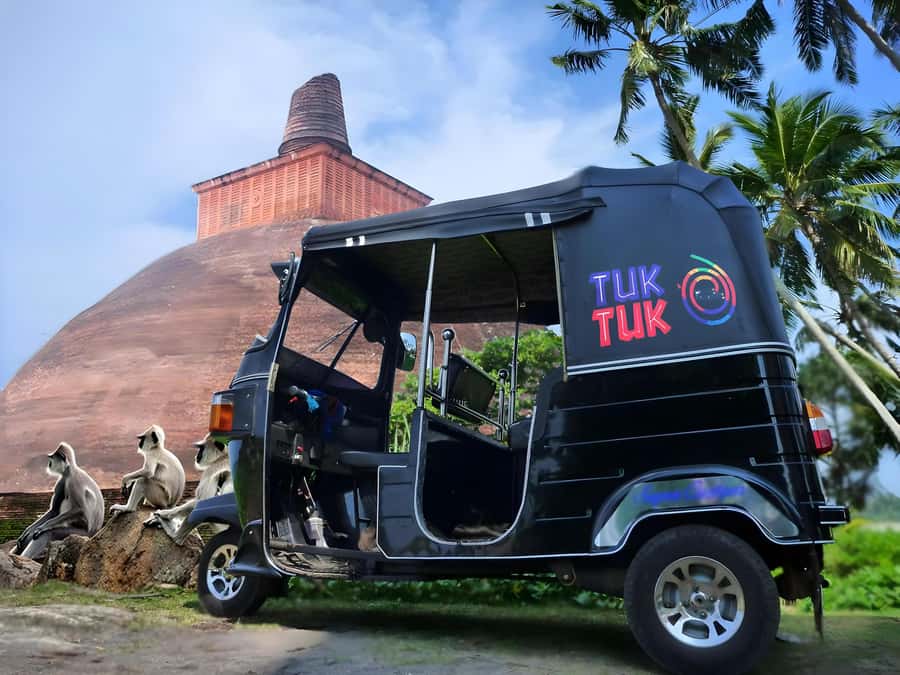
- Private tuk tuk format keeps the pace sane and the day flexible, even in a crowded heritage area.
- Audio guide app in English helps you connect the dots across 14+ sites without needing a human storyteller for every stop.
- UNESCO World Heritage focus: you’ll visit eight UNESCO World Heritage locations within the ancient city.
- Hotel pickup/drop-off included means less time wrangling transport and more time seeing stonework and sacred trees.
- Driver experience + safety support: drivers have 10+ years with tuk tuks/highways, and there’s 24-hour ambulance service in emergencies.
- Entry tickets aren’t included for heritage sites/museums, so bring a plan (and cash/card) for that day.
Price and value: what $30 gets you
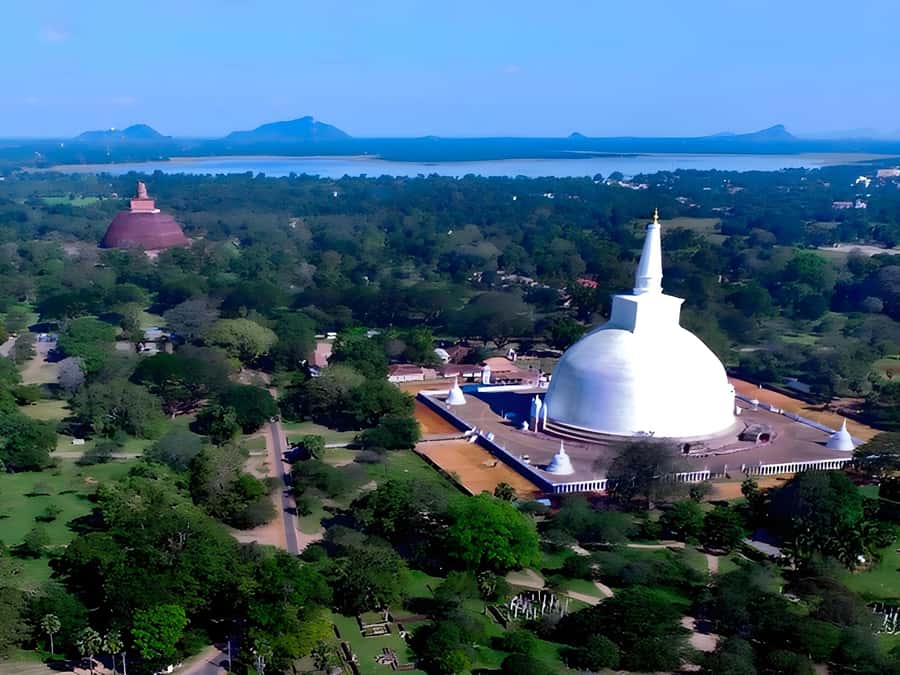
At about $30 per group up to 3 people for a 5-hour tour, the value is in the setup. You’re paying for a private tuk tuk plus pickup and drop-off, parking fees at the stops, and basic on-the-ground support.
This isn’t a “cheap ticket and good luck” style of experience. It’s more like renting a driver for a focused route—except you also get an English audio guide app that turns each stop into something you can actually understand. The main extra cost you should expect: entry tickets for heritage sites and museums are not included, so total spending depends on what you choose to enter.
If you’re traveling as a small group (or you like having your own schedule), this is the sweet spot. For solo travelers, it can still be worth it if you’d rather not spend half your day negotiating taxis and waiting for them to appear.
How the 5-hour tuk tuk rhythm works
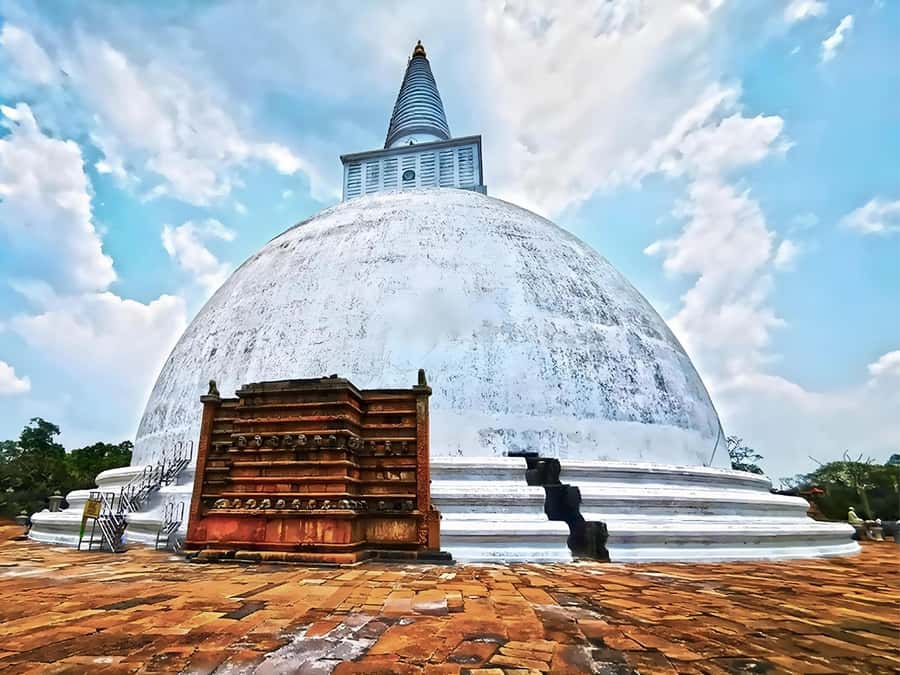
This tour is built around two things: short guided visits at each site, then tuk tuk rides between them so your legs don’t revolt.
You’ll start with pickup (you specify pickup time/location) and get an audio guide link sent to you by WhatsApp. Once you’re in the vehicle, the driver handles getting you from place to place. Your time is then divided between stops that are mostly in the ancient-city zone, capped by a return trip back to Anuradhapura.
A practical tip: bring internet access. The audio guide installation link is part of the experience, and having connectivity helps you get set up without scrambling.
Also, the tour’s “flexible itinerary” is real, but it works best when you manage your own timing. One review praised the freedom to choose how long to stay—but noted it can help if the driver nudges you with a rough time limit so you don’t spend too long at the first few stops and rush the rest.
Stop by stop in Anuradhapura: what to expect at each site
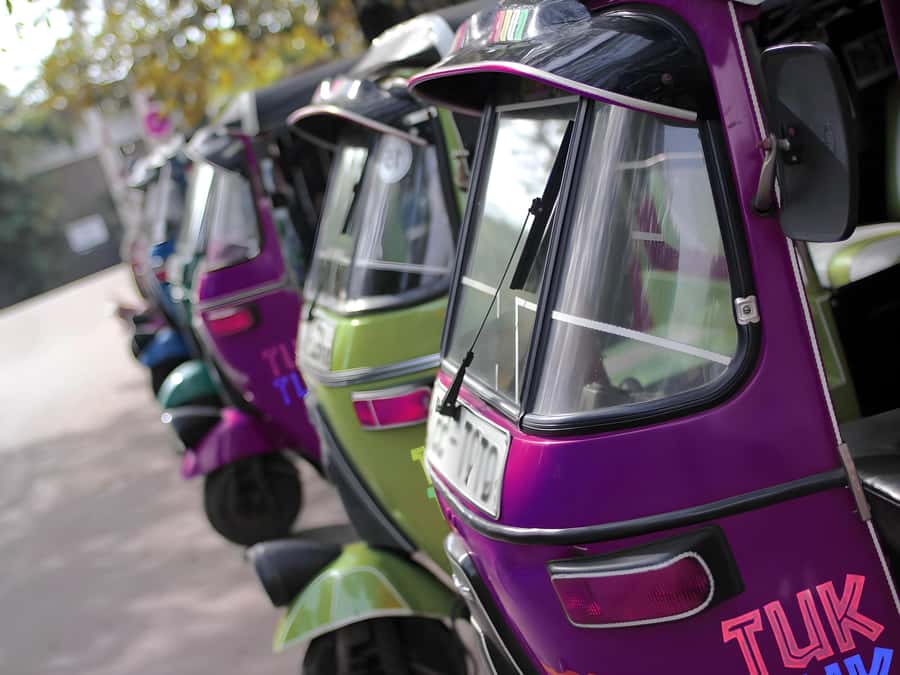
Think of this route as a guided circuit through the ancient city’s most famous shapes: sacred trees, prayer halls, stupas, carved stone features, and monastic zones. The audio guide helps you understand what you’re looking at and why it mattered—so you’re not just taking photos of rocks (even though, yes, you’ll take photos of rocks).
Isurumuniya Rajamaha Viharaya
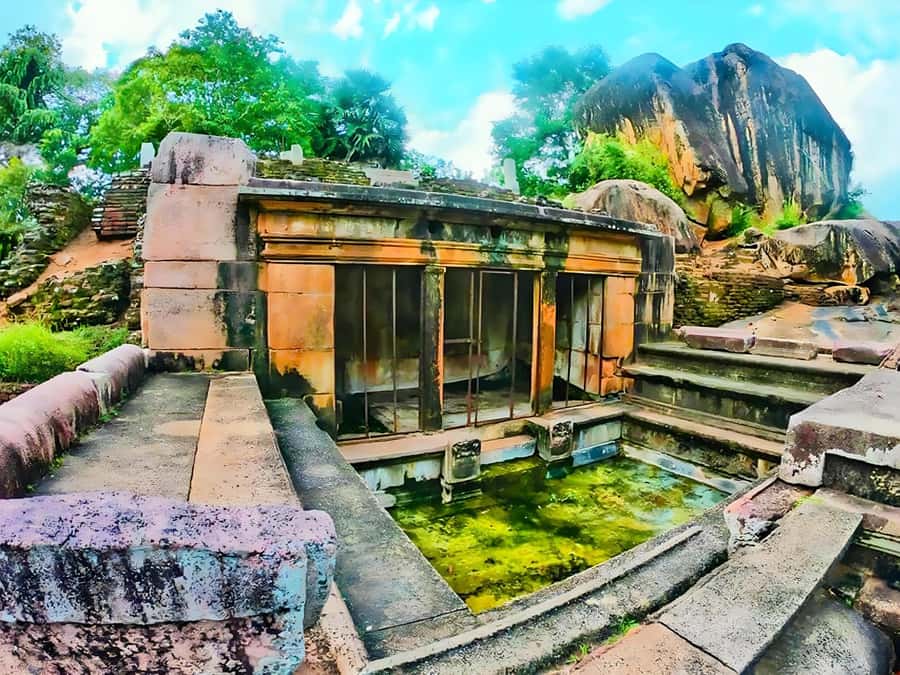
You’ll begin with a temple stop with a guided visit that’s usually short. This is a good first stop because it sets the tone: Anuradhapura isn’t just ruins in a field. It’s a living religious landscape where you’ll see people moving with purpose, even at ancient sites.
Ranmasu Uyana (Royal Park)
Next comes Ranmasu Uyana, the kind of place you’ll appreciate more when you know what it’s meant to represent. Expect a brief guided look that gives you a reason to notice details in the layout and the way the space functions.
Lankaramaya
A quick visit here works well because it keeps your day efficient. In a half-day plan, stops like this are about building context. You’ll likely get a clearer sense of what “temple complexes” mean in this area rather than treating each site as a separate island.
Jaya Sri Maha Bodhi
This is one of the emotional anchor points of Anuradhapura. You’ll spend time with Jaya Sri Maha Bodhi, often called the world’s oldest living human-planted tree (the audio guide will connect the story). If you’re only going to care about a couple of sites, make this one of them.
Tip: come with a calm pace. It’s the kind of sacred place where the atmosphere matters as much as the facts.
Ruwanweli Maha Seya
Then you’ll head to a major stupa complex: Ruwanweli Maha Seya. Stupas can feel repetitive if you’re not sure what you’re looking at. The audio guide is the difference-maker here—so you understand the symbolism behind the form and the role the site played.
Thuparama Seya
Another stupa stop, but with its own identity. The guided visit is short, so it’s not about memorizing everything. It’s about recognizing patterns: sacred geometry, devotional movement, and the way these monuments hold attention.
Mirisavetiya Stupa
The route keeps moving, and Mirisavetiya Stupa fits the job: a focused stop where you can compare how different stupas look and feel. I like this part of the tour because your brain starts organizing the shapes.
Anuradhapura Moonstone
Yes, you’ll get to see the Moonstone feature. These carved stone elements are a big part of the visual language of Sri Lankan sacred architecture. Expect a guided, short stop that points out what’s special about the design and placement.
This is one of those “slow down and look” moments. Don’t just glance. You’ll get more out of it when you stand still for a minute and compare the carvings.
Jethawanaramaya
Next is Jethawanaramaya, one of the big-name stupa sites. In a 5-hour window, it’s also a test: can you stay interested after multiple monuments? The audio guide helps, and the tuk tuk ride breaks the visual rhythm so you don’t burn out.
Twin ponds (කුට්ටම් පොකුණ / Kuttam Pokuna)
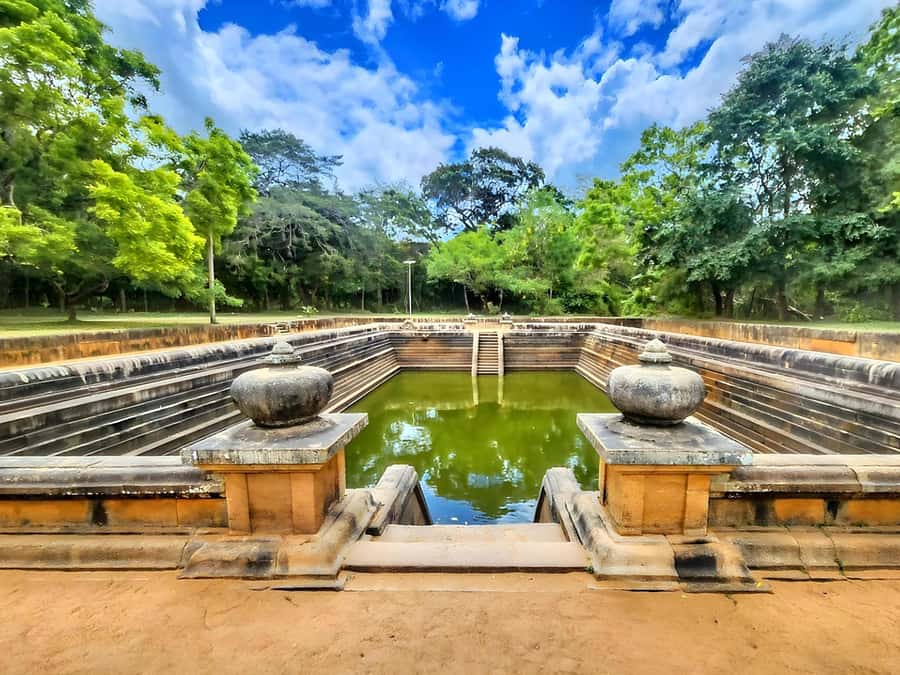
Now for a very different kind of stop: the Kuttam Pokuna bathing pools. It’s not just a “pretty water feature.” These pools connect to the daily ritual and monastic life angle of the ancient city.
If you like practical details—how a place worked, not just how it looked—this is a highlight.
Abhayagiri Vihara
You’ll shift to the monastic side of the city with Abhayagiri Vihara. This is where the ruins start telling longer stories. Plan to spend time listening to the audio guide here, because monastic complexes are easier to understand when you know what roles different sections played.
Samadhi Buddha Statue
A short guided look at the Samadhi Buddha Statue adds a strong devotional focal point. It’s a useful mid-to-late day stop because it’s tangible and visually specific, not just about big structures.
Main Refectory of Abayagiri Monastery
Then you’ll visit the main refectory area. Refectories are about meals, routines, and how communities functioned. That everyday angle is what makes this stop feel more human, not only monumental.
Rathna Prasadaya | මුරගල
Finally, you’ll reach Rathna Prasadaya (Muragala). The stop is longer than some of the earlier ones, which helps you close the circuit with more context instead of ending on a blur.
The tuk tuk ride back
That final ride is more than transport. It’s your decompression moment: you’re sitting, you can replay what the audio guide said, and you’ll start spotting themes you missed earlier.
Audio guide app: your real guide on the move
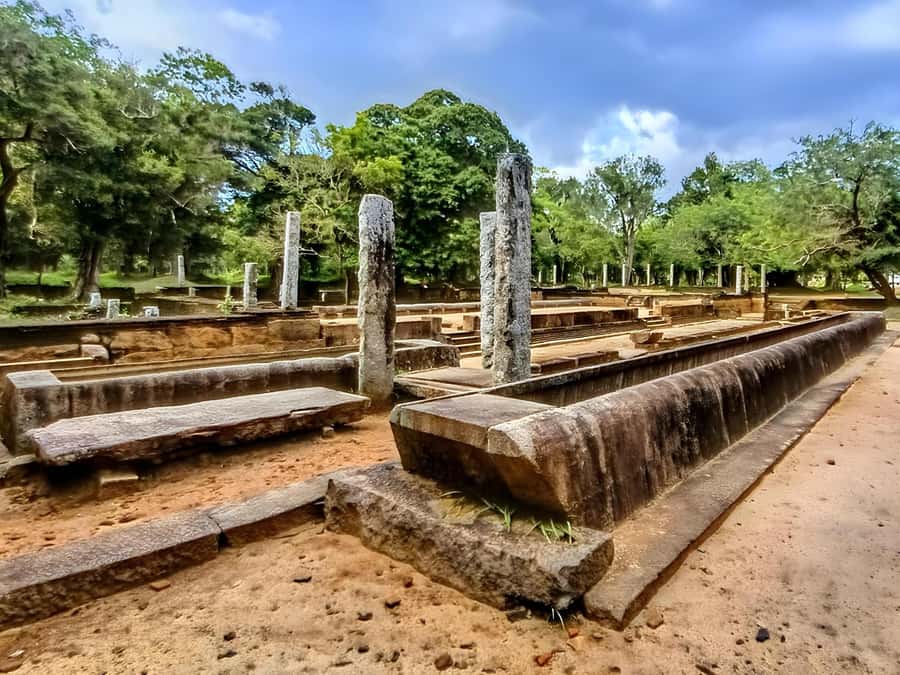
The tour includes an English audio guide app with information for 14+ sites. The idea is simple: your driver gets you from stop to stop, and the app explains what you’re seeing—historical facts, cultural insights, and anecdotes.
Two notes to keep expectations realistic:
- Audio guides work best when you have a phone ready with decent connectivity, since you’ll use a link sent to your WhatsApp.
- One review feedback point was that the English spoken by staff may not always match expectations. In cases like that, don’t panic—the audio guide is still the core learning tool.
So think of it like this: you’re not booking a live museum guide who narrates every footstep. You’re booking a transport-and-content package where the content is delivered through the app.
Drivers, flexibility, and what you’ll actually feel during the ride
The tuk tuk driver is a big part of this experience. Reviews consistently mention friendly, helpful behavior, including extra help like arranging directions or supporting other needs while you’re in the area.
Because this is private, flexibility matters. If you’re the kind of traveler who wants to spend 20 minutes at a sacred tree and then zoom through a stupa, you can. If you prefer slower pacing at one complex (hello, monastic ruins), you can do that too.
One consideration: flexibility is best used with a rough internal plan. If you linger too long at early stops, you may feel pressure later. You can fix this by checking in with yourself halfway—are you on track for the sites you care about most?
What’s included (and what can surprise you)

Included:
- Hotel pickup and drop-off
- Parking fees at the sites
- One letter bottled water per guest
- Audio guide in English
- Private group and tuk tuk transport for the planned route
Not included:
- Entry tickets for heritage sites
- Entry tickets for museums
It’s common for tours like this to be “almost complete” until you reach ticket booths. Here, plan to pay those entrances separately so you’re not caught off guard.
Also, the tour provides safety support: there’s 24-hour ambulance service in emergencies, which is the kind of backup you hope you never need, but really appreciate.
Practical tips that make the day easier
Bring:
- Comfortable shoes (uneven stone is a thing)
- Hat and umbrella (weather in Sri Lanka can shift)
- Comfortable clothes and socks
Have:
- Internet access for audio guide setup
- Your WhatsApp number ready so you can receive the audio guide installation link and essentials
Not allowed:
- Drones
- Smoking in the vehicle
- Alcohol/drugs in the vehicle
- Swimwear, ripped clothing, costumes, nudity, see-through clothing, explosive substances
And one honest comfort note: it’s not suitable for people with back problems, wheelchair users, people over 95 years, or people over 309 lbs (140 kg). If any of that applies, you’ll want a different kind of transport and pacing.
Should you book this Anuradhapura tuk tuk tour?

Book it if you want an efficient, private way to see the most important ancient-city landmarks in a single half-day—without turning your day into a logistics puzzle.
Skip it (or choose a different style) if you need step-by-step live guidance at every site, because this format leans on the audio guide app, not a fully narrated human tour. Also, if you’re sensitive to walking on old, uneven surfaces, think carefully about pacing and your footwear.
If you like control, appreciate audio explanations, and want to get multiple major UNESCO-linked stops under your belt, this is a strong fit. It’s the kind of day where you come away with more than photos—you come away with the story that those stone sites are trying to tell.