REVIEW · VIENNA
Vienna: Tour RAXI (electric rickshaw) 3 hours in Vienna
Book on GetYourGuide →Operated by Guide from Vienna - RAXI Tours · Bookable on GetYourGuide
A rickshaw ride can feel royal. In 3 hours, you glide around Vienna on an electric RAXI while Nicole pairs smart route choices with real architecture stops. I especially like the comfortable two-seat setup and the fact that you get a big view without wrestling with long walks or crowds. You’re also not stuck with a fixed script—your route can be adjusted around what you care about most, like architecture or history.
One heads-up: this is a bike, not a car, so the experience depends on weather. If conditions are outside the allowed range, you may switch to public transport and do some walking instead.
In This Review
- Key reasons this RAXI tour works so well
- Entering Vienna by electric RAXI (and why 3 hours is the sweet spot)
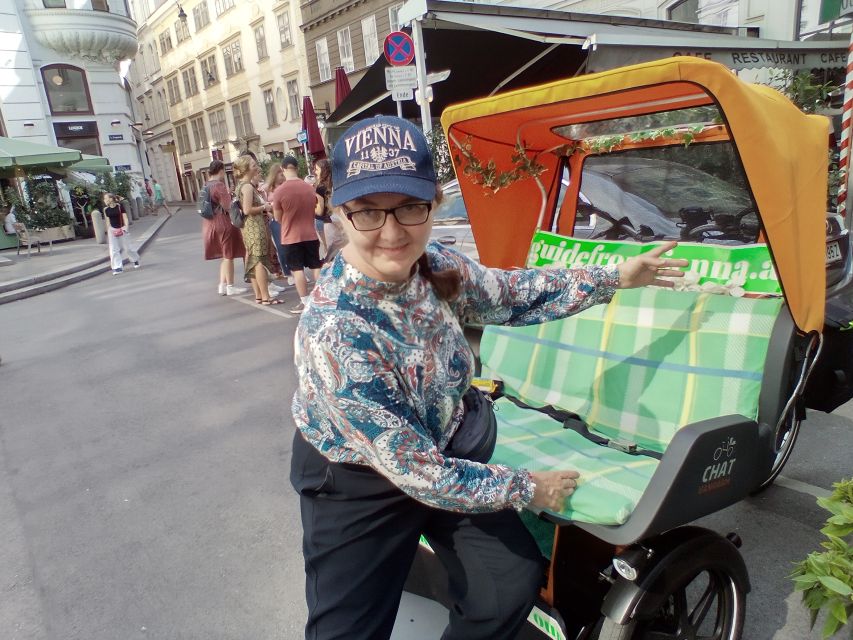
- Meet Nicole and settle in: the vibe inside the orange-canopied rickshaw
- Historic Center Vienna: Gothic residences and the old-meets-new contrast
- Prater the graceful way: seeing the park vibe without parking-lot hassle
- Old Danube, Donau Park, and the Danube Canal: water views with breathing room
- Hundertwasser House: why Europe’s first ecological building is more than a photo
- Price and value: what $182 buys for a private 3-hour Vienna route
- Who this RAXI tour is best for (and who should think twice)
- Should you book the Vienna RAXI electric rickshaw tour?
- FAQ
- How long is the Vienna RAXI tour?
- Is this tour private?
- Where can we meet for pickup?
- What do you do if weather prevents a RAXI ride?
- What’s included for cold or rainy weather?
- Is there luggage allowed?
Key reasons this RAXI tour works so well
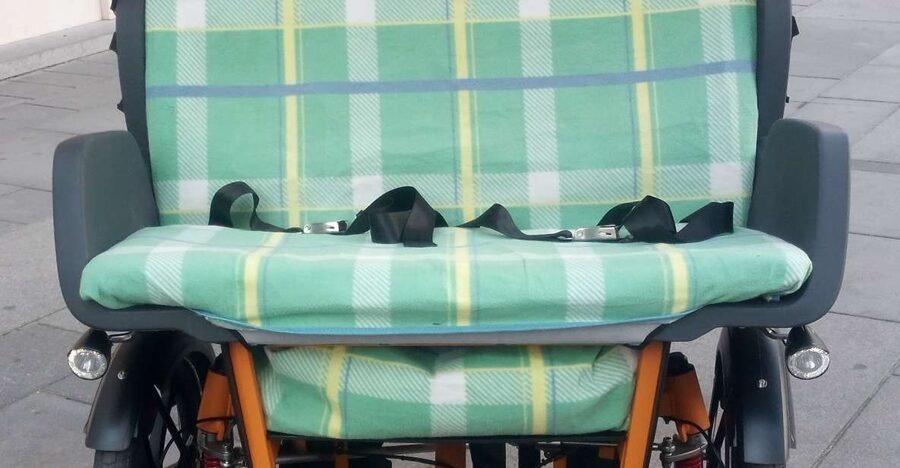
- Warm comfort on cold days: a battery-powered heated blanket for two plus a waterproof picnic blanket
- Front-row sightlines: seating that keeps views open (Nicole drives from behind)
- Electric + practical: engine under the seats means no engine heat radiating to you
- Architecture focus without the slog: stops built around Vienna’s old-and-new mix
- Danube promenade energy: Danube Canal and Prater areas feel like a graceful royal stroll
- Tailored routing: you can steer the emphasis toward architecture or history
Entering Vienna by electric RAXI (and why 3 hours is the sweet spot)
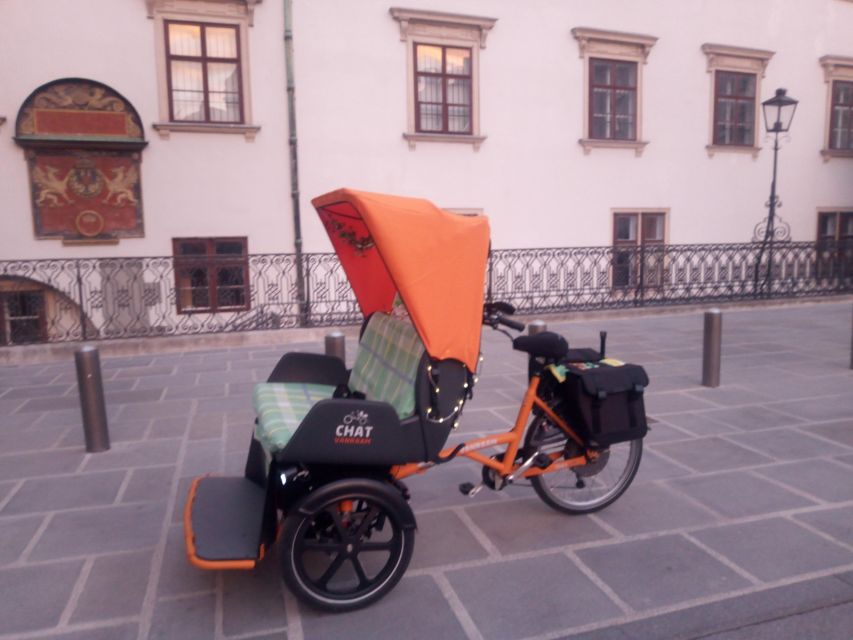
Three hours sounds short. In Vienna it’s actually perfect. You get enough time for a real guided route—historic center context, park-and-water scenery, and a standout modern landmark—without turning the day into a leg workout.
What makes this work is the pace. You’re not “touring on a bus.” You’re getting that slow-breeze feeling of a promenade, plus stops where the guide can point out what to look for. You also get headsets, so you don’t have to lean in or play guessing games when streets get busy.
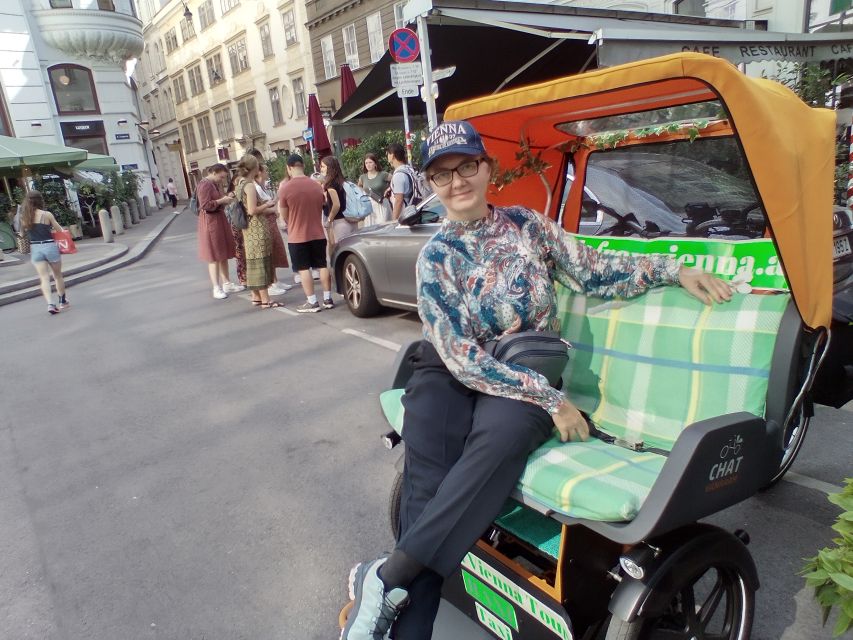
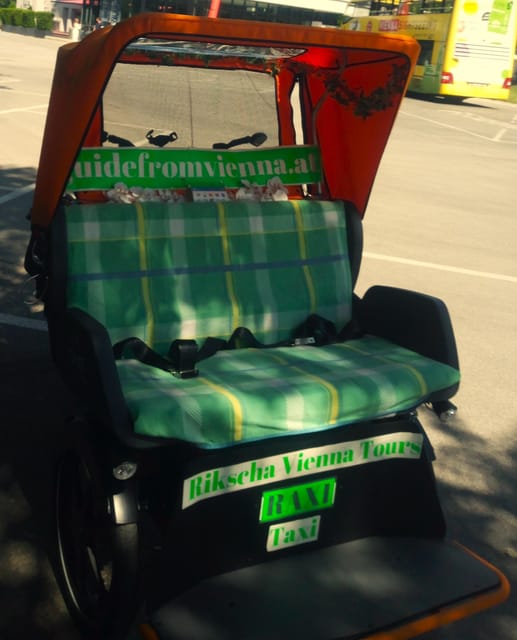
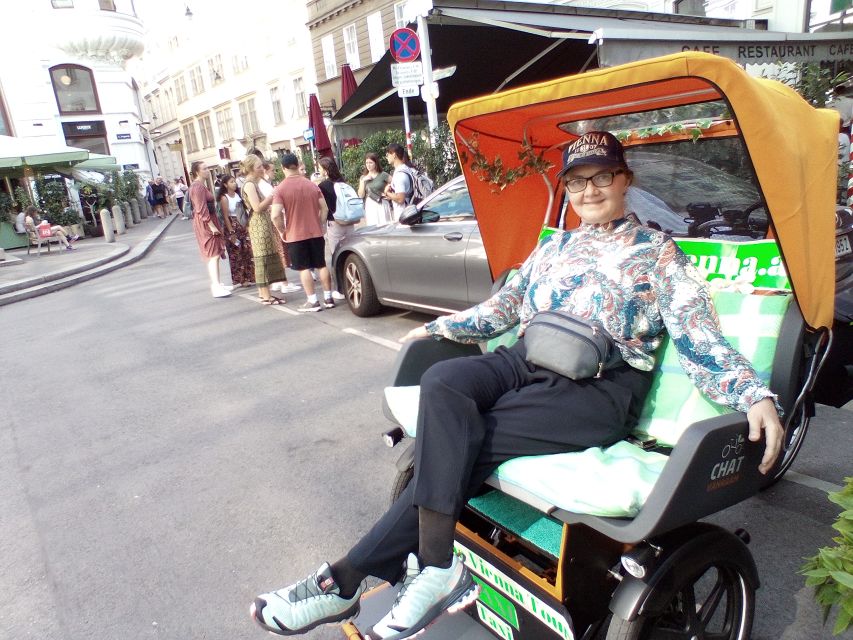
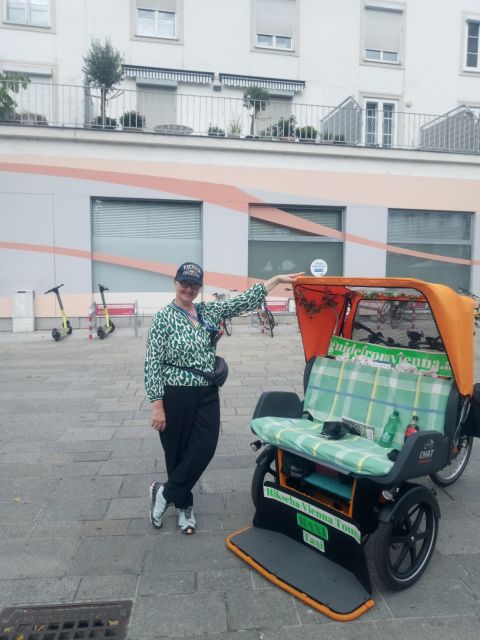
The vehicle matters too. The RAXI is made for comfort for two adults, and it’s fitted with shock absorbers and a canopy. The retractable footplate helps you get in and out without awkward climbing. And because the engine sits under the seats, you’re not roasting from hot machinery while you learn about Vienna. It’s the small, practical stuff that keeps the experience relaxing.
I also like the “almost-walking” feeling. You’re traveling slowly, and Nicole can route you along places that a car can’t easily reach. That means you often see a bit more neighborhood texture than you’d get from a typical vehicle route.
Meet Nicole and settle in: the vibe inside the orange-canopied rickshaw
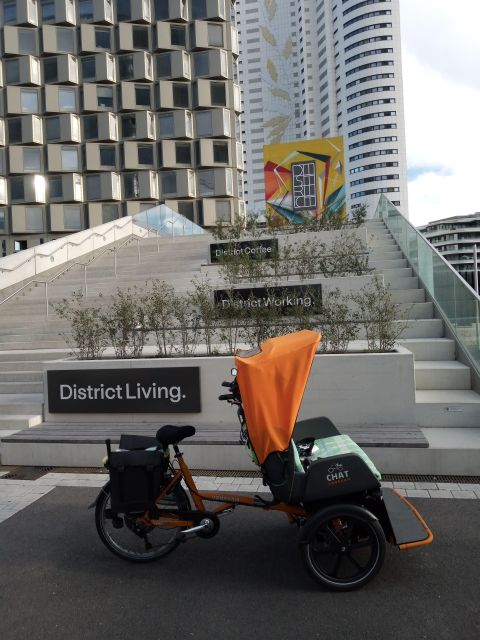
This is a private group experience for up to two people. That alone changes the feel. You can ask questions freely, and Nicole can shape the route for how you want to spend the time—architecture-heavy, history-heavy, or a balanced mix.
Pickup is flexible. You can meet at places like Herrengasse, Reichsbrücke, Michaelerplatz, Café Landtmann, or Praterstern, and you can also arrange pickup from your hotel if possible. Drop-off options match those areas too, so you’re not forced to end miles from where you want to go next.
Inside the rickshaw, the setup is designed so views don’t get blocked. Nicole drives from behind you, which helps keep an open sightline for photos and for following what’s around you. If you’re the type who wants to actually look at buildings (not just point at them), this arrangement is a big plus.
Comfort gear is included because Vienna doesn’t always play nice. In cold weather, you’re offered a warm battery-powered heated blanket for two. There’s also a large waterproof picnic blanket that helps when the wind kicks in or the skies threaten drizzle. I’ll say this plainly: even when it’s not “winter,” evenings by the water can feel chilly. Bring layers anyway, but the blankets take the edge off.
One rule to respect: recording the guide’s explanations is not allowed due to copyright. Quick snaps for personal photos are a different thing—just don’t record the narration.
Historic Center Vienna: Gothic residences and the old-meets-new contrast
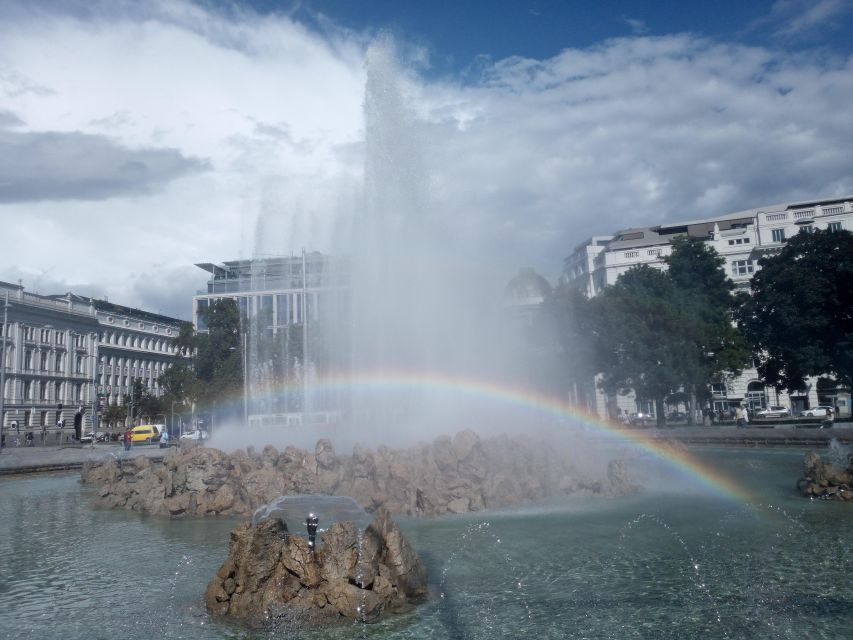
The historic center portion is where you’ll get grounded. You’re not just shown pretty facades—you’re given the why behind them. Nicole’s style is practical: she points out what to notice, then ties it to Vienna’s story.
A standout theme here is Gothic residential architecture. You’ll see what’s described as the oldest Gothic residential tower in Vienna—an unusual stop that most standard walks never cover. That matters because it shifts your idea of Gothic from churches and castles to everyday housing. It’s a reminder that Vienna’s history isn’t only in monuments; it’s also in how people lived.
You’ll also encounter the city’s contrast: modern design and very old buildings sitting side by side along the same route. That mix is one reason Vienna feels so watchable. You can think you’re seeing the “past,” then turn a corner and suddenly the architecture feels current again.
This is also where the guide can tailor. If you want more architecture, you’ll get it. If history is your thing, you’ll get historical context tied to the streets you’re rolling past. And because you’re not getting “lost” on foot, you can spend your attention on details instead of navigation.
Best part for most people: the comfort. Even when the route takes you through older, atmospheric streets, you’re not dragging your feet through every stop. You can enjoy the view and the explanation without feeling like you’ve paid for a tour with sore calves.
Prater the graceful way: seeing the park vibe without parking-lot hassle
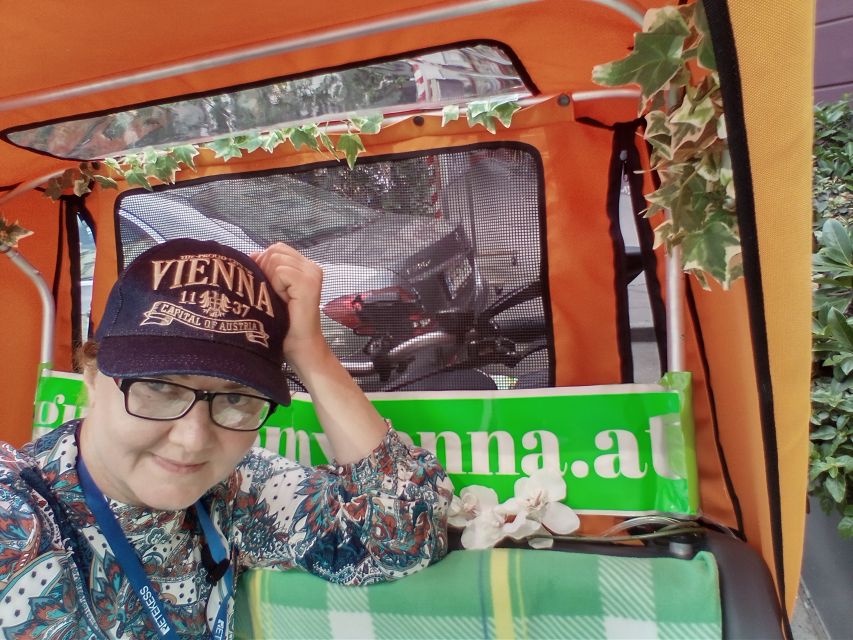
Prater is a big deal in Vienna, and it’s easy to feel like you need hours to do it justice. You don’t. This tour gives you a focused slice—enough time to enjoy the setting and the “promenade” mood.
The Danube Canal and Prater are positioned as places Vienna’s imperial family would have recognized as part of their world—so you get that calmer, older European stroll feeling rather than a modern checklist scramble. Instead of rushing from one photo point to another, you’re guided through the vibe.
Even better: this is an area you can enjoy comfortably without committing to long walking stretches. Nicole keeps the pace in mind, especially if the day’s weather or your energy level isn’t perfect.
If you care about how Vienna’s leisure spaces connect to the city’s identity, this stop is more than scenery. It’s a lesson in how power, culture, and public space evolved. You may not see everything Prater offers, but you’ll understand why it’s more than just a park.
Old Danube, Donau Park, and the Danube Canal: water views with breathing room
This is where the tour shifts from street architecture to riverside atmosphere. You’ll spend time around the Old Danube area and the Donau Park, then move through the Danube Canal. The structure is intentional: you get park-and-water transitions rather than one long “sit and look” segment.
In plain terms, this section helps your brain reset. Vienna’s center can be concentrated and detailed. By contrast, parks and water give you breathing space, plus movement. Even while you’re seated, it feels like the city is expanding outward.
Old Danube and Donau Park are useful stops for understanding Vienna’s relationship to its waterways. You also get the chance to notice how the city handles open space: trees, paths, and water create a different kind of city character. This is one of the reasons the tour is pitched as good for people who want to see Vienna without beating themselves up physically.
Then comes the Danube Canal, where the mood flips back to built form. Water here is paired with urban structure, and that combination helps you see why Vienna’s “old vs new” story isn’t only about buildings. It’s also about how water, industry, and promenade culture interact.
If you like photography, this is your friend section. You’ll be in spots that are visually expressive but not so tight that you’re forced into the worst angles or standing behind a wall of other tour groups.
Hundertwasser House: why Europe’s first ecological building is more than a photo
The finale-style stop is the Hundertwasser House, described as the first ecological building in Europe. Even if you don’t know the details before arriving, you’ll feel why this place attracts attention: it’s expressive, unusual, and unmistakably not “standard city housing.”
What you’re really getting here is interpretation. The guide helps you connect the design choices to what ecological building ideas were trying to achieve. You get context, not just a quick walk past a famous facade.
This stop also ties back to the tour’s bigger theme: Vienna isn’t just imperial stone and grand museums. It keeps evolving, and it sometimes chooses creativity over conformity—right in the middle of a livable neighborhood.
You’ll also appreciate the pacing. Instead of rushing, you get time to see and absorb. And because the tour has already taken care of the logistics—pickup, comfort gear, and navigation—you can focus on looking.
If you’re traveling with someone who likes modern design (or if you’re the one who loves it), this stop often becomes the “how is this real?” moment.
Price and value: what $182 buys for a private 3-hour Vienna route
At $182 per group (for up to two people), this isn’t the cheapest way to do Vienna. But it can be one of the better-value options if you price in comfort, guidance, and wasted time you’d otherwise lose.
Here’s what you’re actually paying for:
- Private 3-hour guided route with a live guide in German or English
- Hotel or meeting-point pickup and drop-off in central areas (depending on bike ways and constructions)
- Headsets so the narration is clear
- A map of Vienna plus a route designed around your interests
- Warm heated blanket for cold weather and a waterproof picnic blanket for wind or rain
- A modern, checked electric rickshaw designed for two adults, with monthly workshop maintenance and comfort features like shock absorbers
The value angle is this: you’re buying less physical strain. The tour is built to let you enjoy architectural highlights without doing the “grab a ticket, walk for hours, limp back” routine. That’s especially meaningful if your schedule is tight, you’re traveling with limited mobility (though it’s not wheelchair-suitable), or you just want to see more with less fatigue.
One practical note: the vehicle is still a bike. So if you hate the idea of weather-dependent touring or you need luggage space, this may not match your style. But if you’re flexible and traveling light, the comfort-to-content ratio is strong.
Who this RAXI tour is best for (and who should think twice)
This experience fits best if you want Vienna’s highlights with less walking. It’s great for couples, friends, and anyone doing a short visit who wants a guided route that mixes classic sights with surprising ones.
It’s also a good match if your top priorities are:
- Architecture and design (old Gothic residential tower through modern landmarks)
- Water-and-park scenery without committing to long distances on foot
- A tailored tour rather than a fixed checklist
It’s not a fit if you need wheelchair access. And because only two people fit comfortably (and weight limits apply), it’s not built for families traveling with extra passengers.
Finally, weather matters. Nicole can run rides between roughly +2°C and 30°C, with limits for wind and light rain/snow. If conditions make the RAXI route impossible, you’ll switch to a similar plan using public transport—and you’ll still have to walk. Pickup remains included, and you’ll get notice in advance.
Should you book the Vienna RAXI electric rickshaw tour?
If your goal is maximum Vienna flavor with minimum leg pain, I’d book it. The combination of private guiding, comfort gear, and the mix of Danube Canal/Prater scenery plus Hundertwasser House makes it an efficient way to see different sides of the city in only 3 hours.
Book it especially if:
- you want architecture context, not just sightseeing
- you like the idea of gliding through neighborhoods instead of squeezing onto bigger tours
- you’d rather ride than walk, even when the weather cools down late in the day
Skip it if you must travel with large luggage, need wheelchair access, or you know you won’t handle weather-dependent alternatives well.
FAQ
How long is the Vienna RAXI tour?
The tour lasts 3 hours, with a short safety briefing at the start and guided segments during the ride.
Is this tour private?
Yes. It’s a private group designed for up to two people.
Where can we meet for pickup?
You can choose from several meeting points: Michaelerplatz, Café Landtmann, Reichsbrücke, Praterstern, or Herrengasse. Pickup from your hotel may be possible if you arrange it in advance.
What do you do if weather prevents a RAXI ride?
If a RAXI ride is impossible due to weather, the tour can be done using public transport for a similar route. In that case, you will also have to walk, but pickup remains free.
What’s included for cold or rainy weather?
You get a warm battery-powered heated blanket for two and a large waterproof picnic blanket. Rain protection for light rain or snow is also available.
Is there luggage allowed?
Luggage or large bags are not allowed. Pack light so you can move comfortably during the ride.