REVIEW · RALEIGH
Tour of Downtown Raleigh on a Rickshaw, with Triangle Cycle Tours
Book on Viator →Bookable on Viator
Raleigh looks different at rickshaw speed. I love the rickshaw pace and the free stop admissions that keep this tour a good deal. The one thing to watch is that it depends on good weather, so you’ll want a flexible mindset.
This is a private tour for your group (up to 3), starting and ending at the Martin Marietta Center for the Performing Arts. In my experience with this style of tour, that matters: you get enough time to ask questions, and you’re not stuck listening to a canned spiel with strangers.
In This Review
- Key Highlights You’ll Notice Fast
- Entering Downtown at Rickshaw Speed: Timing, Pickup, and What $120 Really Means
- Martin Marietta Center for the Performing Arts: The Grand Start in Greek Revival Style
- Fayetteville Street and the City of Raleigh Museum: The $9.3 Million Story Behind the Blocks
- CAM Raleigh and the Warehouse District: Red Brick to Lofts, Galleries, and Breweries
- The North Carolina State Capitol Area: Legislative Building, Capitol History, and Science Museum Rank
- Blount St. and the Executive Mansion: Victorian Neighborhoods and Queen Anne Details
- City Market and Moore Square Park: Downtown Life You Can Actually Step Into
- Price and Value Check: When This Rickshaw Tour Makes Sense
- The Big Wins: What Your Guide Makes You Feel During the Ride
- Practical Tips So Your Evening Runs Smooth
- Should You Book This Downtown Raleigh Rickshaw Tour?
- FAQ
- FAQ
- How long is the Downtown Raleigh rickshaw tour?
- What does the $120 price include?
- Is pickup available?
- Where does the tour start and end?
- What stops are included?
- Is the tour private?
- What happens if the weather is bad?
Key Highlights You’ll Notice Fast
- Greek and Roman Revival at Martin Marietta Center sets the tone right from the start.
- Fayetteville Street makeover story includes the $9.3 million investment in four blocks.
- CAM Raleigh and the Warehouse District change of scene from downtown classic to creative industry.
- Capital area focus covers the State Capitol, the Legislative Building, and the nearby Raleigh Science Museum ranked #1.
- Queen Anne style at the Executive Mansion with Victorian neighborhoods along Blount St.
- City Market and Moore Square Park give you real downtown energy at the end of the ride.
Entering Downtown at Rickshaw Speed: Timing, Pickup, and What $120 Really Means
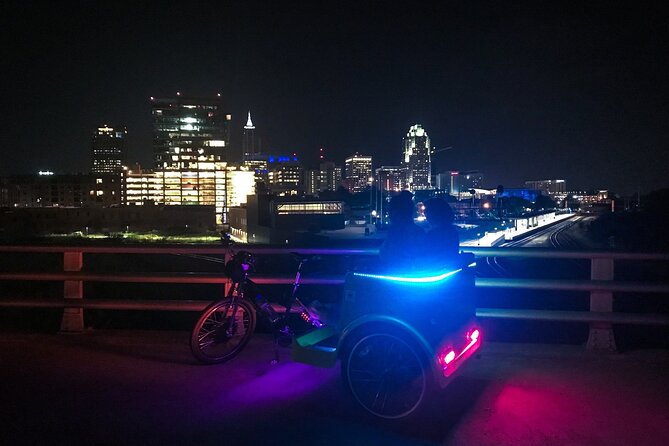
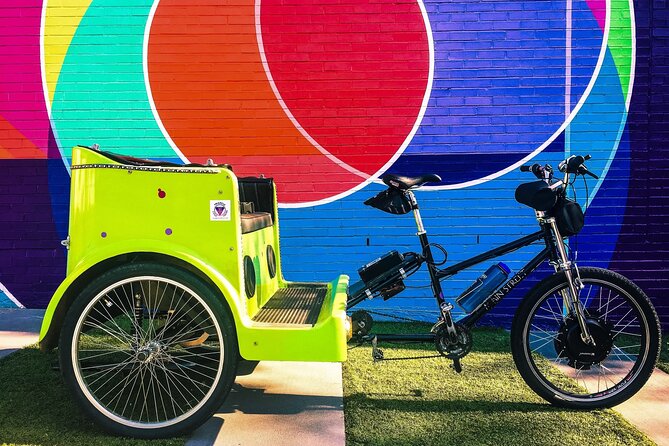
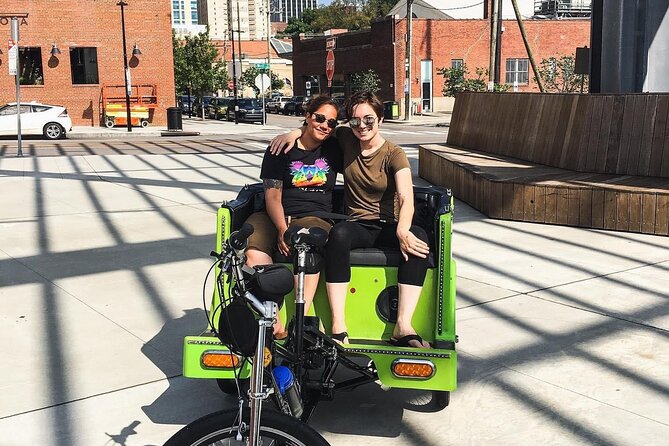
Think of this as a guided afternoon that moves at human speed. You’re not marching. You’re not stuck behind a steering wheel. A rickshaw lets you glide between Raleigh’s key downtown buildings and districts while your guide puts context on what you’re seeing.
The tour runs about 1 hour 15 minutes to 1 hour 20 minutes. It’s priced at $120 per group (up to 3 people), which is a big part of the value. In other words, you’re not paying a per-person rate that adds up fast—this cost structure makes it especially fair for couples and small groups who want a private experience without going full custom.
Pickup is also a practical win. There are a few options listed, including gravel lots next to the Red Hat Amphitheater (500 S McDowell St). And if you’re already in the general downtown area, the operator says they can help with pickup for riders who are nearby. You’ll also get a mobile ticket, and the tour is in English.
The tour is offered with set operating windows (not always every day). For example, the listed hours run Monday–Thursday 5:00 PM–8:30 PM during the stated period. If you’re visiting on a tight schedule, that timing helps you plan your evening around the ride instead of trying to fit it in last minute.
One more practical note: the tour ends back at the start location. So you’re not solving where to finish after you’re done.
Martin Marietta Center for the Performing Arts: The Grand Start in Greek Revival Style
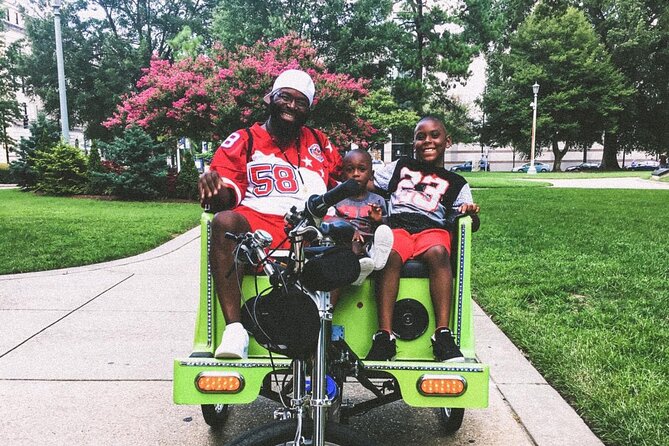
Your meet-up point is the Martin Marietta Center for the Performing Arts at 2 E South St. It’s described as being on the edge of the city, which is useful because it acts like a clean starting and ending anchor. Instead of hopping around random blocks, you begin where the architecture makes an instant impression.
This building is called out for its Greek and Roman architecture revival look, and it’s also where the symphony and off Broadway acts perform. That’s more than just aesthetics. It gives you a reference point for how Raleigh wanted to represent itself—classical, formal, and designed to host major cultural events.
You’ll spend about 10 minutes here. You can expect your guide to do the intro before the ride starts, so you’ll leave the first stop with an idea of what themes the tour will follow and what to look for as you move through downtown.
Fayetteville Street and the City of Raleigh Museum: The $9.3 Million Story Behind the Blocks
Next comes historic Fayetteville St, with a stop at the City of Raleigh Museum. This is your “how downtown changed” moment. The tour frames Fayetteville Street as home to some of the oldest buildings in Raleigh, and it points you toward specific landmarks like the Briggs Hardware Building.
What I like about this part of the route is that it’s not just about pointing buildings out from the road. The guide also discusses the city’s rejuvenation. The tour highlights a concrete investment: $9.3 million spent on four blocks, and the message is that the renovation work paid off.
You’ll get about 10 minutes here. Admission is listed as free, so this is one of those stops where you don’t have to decide on the spot if it’s worth the extra cost. It’s also a good breather in the schedule, since you’re transitioning from one downtown district vibe to another.
Possible drawback to consider: if you prefer lots of time inside museums, this portion is tightly timed. But if you want a quick “what matters here” context, it hits the sweet spot.
CAM Raleigh and the Warehouse District: Red Brick to Lofts, Galleries, and Breweries
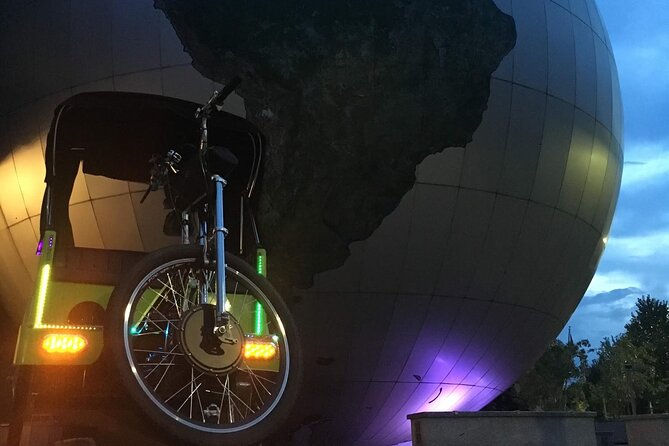
Then you head to CAM Raleigh, tied to the Warehouse District. This is one of those Raleigh contrasts that feels real fast: you’re looking at red brick industrial buildings that have been converted into loft apartments, galleries, and breweries.
It’s a short stop at around 10 minutes, but the payoff is how clearly the guide can connect the past use of industrial space to its current role. Instead of just calling it trendy, the tour explains it as change over time—how a district becomes a magnet once buildings get a second life.
Admission is listed as free, which makes CAM Raleigh an easy win on this route. If you like street-level urban change stories, this is a section you’ll probably remember.
The North Carolina State Capitol Area: Legislative Building, Capitol History, and Science Museum Rank
After the Warehouse District, the tour moves into the North Carolina State Capitol complex area. This stop includes the State Capitol and also the Legislative Building, which is described as acting as the current capital.
The Capitol is framed as one of Raleigh’s most historic buildings with a unique history, and the guide will share details about that story. Next to these buildings is the Raleigh Science Museum, noted as being rated #1 attraction in the city currently. The tour includes that stop as well.
You’ll spend about 10 minutes here. This is a good length for two reasons:
- You get the big landmarks without losing the ride momentum.
- The stop helps you understand how Raleigh’s civic identity and public-facing attractions sit right next to each other.
If you’re the type who likes when a tour connects government buildings to everyday city life, you’ll appreciate how this section makes the downtown core feel functional, not just ceremonial.
Blount St. and the Executive Mansion: Victorian Neighborhoods and Queen Anne Details
Next up is North Carolina Executive Mansion, with the route traveling down Blount St.. The tour points out this street as home to some of the state’s largest and most exceptional Victorian homes.
The Executive Mansion is described as an example of Queen Anne style architecture, and the guide shares a surprising construction story. The exact details aren’t listed here, but what’s clear is that the stop is designed to make the building feel personal—like you’re learning why this place is memorable, not just that it exists.
Again, this is a 10-minute stop, with free admission listed. That means you get a focused look and a tight explanation, then you’re right back into the ride.
City Market and Moore Square Park: Downtown Life You Can Actually Step Into
The final portion centers on City Market, in the heart of downtown Raleigh. This is one of those ends to a tour where the payoff is obvious: open-air shopping and dining, plus cobblestone streets that feel pedestrian-friendly even when you’re finishing a seated ride.
The tour also includes a mention of the Moore Square Park area, describing it as newly renovated after a two-year project. That makes this stop feel current. You’re not only learning the past—you’re seeing where locals gather now.
You’ll spend about 10 minutes here. This is also where the tour’s “downtown culture” angle lands best. Instead of ending at a random viewpoint, you finish somewhere you can keep walking, grabbing a snack, or just watching people move through downtown.
Price and Value Check: When This Rickshaw Tour Makes Sense
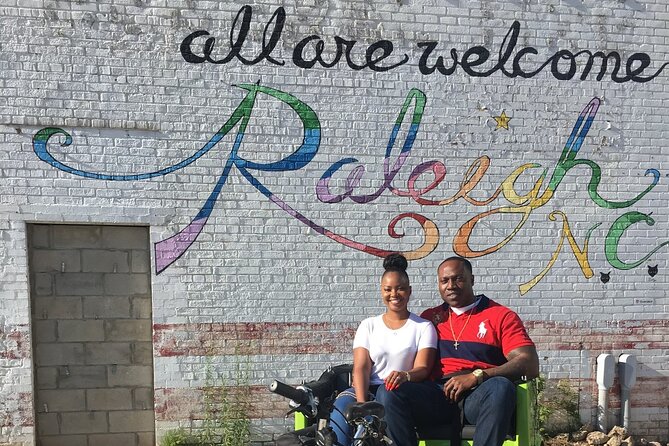
Let’s do the honest math. $120 per group (up to 3) for roughly 1 hour 15 minutes to 1 hour 20 minutes is not the cheapest thing in Raleigh. But it’s also not out of line for a private experience that covers multiple key downtown areas with guided context.
Here’s what makes the value feel stronger than the sticker price:
- Admission is listed as free for the stops on this route, so you’re not paying extra at each location.
- It’s private, so you’re not fitting into a larger group where questions and pacing get swallowed.
- The route is designed to cover different sides of downtown in one go: classic civic Raleigh, the creative Warehouse District, and the everyday central market area.
One drawback to consider with value: if you’re traveling solo and you’re not interested in a private experience, you might feel like you’re paying a group rate for what is essentially one passenger. On the other hand, solo riders can still get a lot out of the guidance and the ride convenience.
The Big Wins: What Your Guide Makes You Feel During the Ride
The route works because the commentary stays entertaining and human. Names that come up include Chris and Rick, and the common theme in the way they’re described is clear: they mix laughs with real local details.
That matters more than people think. A downtown tour can turn into a list of buildings. Here, the format seems built to make the city story feel like it’s connected. And when you’re riding between districts, good storytelling keeps you oriented without requiring you to constantly look up maps.
If you’re the type who likes to learn while still having fun, this is the kind of tour where the ride doesn’t feel like homework.
Practical Tips So Your Evening Runs Smooth
A few things you can do to make the experience easy on arrival:
- Arrive early: You meet at Martin Marietta Center for the Performing Arts, and the tour includes an introduction before the first move.
- Use the listed parking approach: There are two gravel parking lots near the Red Hat Amphitheater that are flagged as a good free option.
- Plan for downtown parking patterns: The info says parking is free after 6pm and on weekends, which can save you stress when you’re rolling in for a later start.
- Bring a weather mindset: The tour requires good weather, and if it’s canceled for poor conditions, you’ll be offered a different date or a full refund.
- If you need a pick-up, check the neighborhood you’re in and message accordingly. The operator notes they’re familiar with the city and can pick up riders who are in the general downtown area.
- Go with comfortable time: Most travelers can participate, but it’s still a moving ride with short stops, so comfortable shoes and layers help.
Should You Book This Downtown Raleigh Rickshaw Tour?
You should book if you want a private, guided downtown walkthrough that’s short enough for a fun evening and structured enough that you don’t waste time figuring out what’s worth seeing. The stop mix is smart: architecture and performance space, an investment-driven makeover story, creative district change, the civic core, and a finish at a place with real everyday momentum.
You might skip or swap if you need a long museum-style visit at any one location, because each stop is timed (about 10 minutes each). But if your goal is to get oriented fast, learn the city’s logic, and finish with something walkable, this tour is a strong fit.
FAQ
FAQ
How long is the Downtown Raleigh rickshaw tour?
It runs about 1 hour 15 minutes to 1 hour 20 minutes.
What does the $120 price include?
The price is $120 per group for up to 3 people, and the tour includes stops with admission listed as free.
Is pickup available?
Yes. There are a few pickup options listed, including parking lots near the Red Hat Amphitheater, and pickup may be available if you’re in the general downtown area.
Where does the tour start and end?
It starts at Martin Marietta Center for the Performing Arts, 2 E South St, Raleigh, NC 27601, USA, and ends back at the meeting point.
What stops are included?
The route includes stops at Martin Marietta Center for the Performing Arts, City of Raleigh Museum, CAM Raleigh, North Carolina State Capitol (including the Legislative Building and the area near the Raleigh Science Museum), North Carolina Executive Mansion, and City Market (including Moore Square Park).
Is the tour private?
Yes. It’s listed as a private tour/activity, and only your group will participate.
What happens if the weather is bad?
The experience requires good weather. If it’s canceled due to poor weather, you’ll be offered a different date or a full refund.