REVIEW · JODHPUR
Private Sightseeing Tour of Jodhpur’s Blue City by tuk tuk
Book on Viator →Operated by Explore unseen walk ,food, shopping in Jodhpur · Bookable on Viator
Jodhpur looks different in a tuk tuk. This private 3–5 hour ride with a local guide strings together Mehrangarh Fort, Blue City streets, and a route that can flex as you go. You also get breaks that matter when the sun is doing its own thing.
I especially like the local narration that connects landmarks to everyday Marwar life. And the walk through the off-the-beaten-path blue lanes is where the city starts to feel real fast, including older areas that don’t always get hammered by tour groups—plus you might even get a street-food moment if you want one.
One thing to plan for: fort entry fees cost extra (Mehrangarh Fort and museum), so factor that into your total budget before you head out.
In This Review
- Key things to know before you go
- Price and what $20 actually buys in Jodhpur
- Start at Mehrangarh Fort: where the views set the tone
- Jaswant Thada and the walk into older blue streets
- Toorji Ka Jhalra: the step well that explains daily water life
- Sardar Market and the temple timing reality check
- Maharani Spices: a short stop if you’re the curious type
- Tuk tuk + private guide: the real advantage in narrow Jodhpur streets
- Timing, weather, and the comfort math
- Entry fees and budget-friendly planning (no surprises)
- Who this tour suits best
- Should you book this Jodhpur Blue City tuk tuk tour?
- FAQ
- What’s the duration of the private Jodhpur Blue City tour?
- Where does the tour start and where does it end?
- Is pickup included?
- What’s included in the $20 price?
- Are entry fees included for Mehrangarh Fort and the museum?
- What if the weather is poor or plans change?
Key things to know before you go
- Private guide, private pace: You can linger in the narrow lanes and adjust for heat and crowds.
- Mehrangarh Fort first: Start with the big views and the medieval story, then work your way down into the city.
- Jaswant Thada plus a real walk: You’ll spend time moving through older blue sections with less tourist traffic.
- Toorji Ka Jhalra step well is ticket-included: That stop is built in without you worrying about admission there.
- Market stops depend on timing: Temple access around Sardar Market can hinge on opening hours.
- Tea/coffee is included: A small pause that helps when you’re out for 3 to 5 hours.
Price and what $20 actually buys in Jodhpur
At around $20 for a private 3–5 hour tour, the value is mostly in three things: a guide who explains what you’re looking at, a tuk tuk that helps you move through tight streets, and included tea/coffee to keep the day from feeling like one long sprint.
But you should budget separately for Mehrangarh Fort and museum entry fees. The listed cost is ₹600 per person for foreign tourists (and ₹150 for Indian tourists). That means the tour still tends to work out well—especially if you want the guide’s time inside the fort complex—but don’t assume the $20 covers museum admission.
If you’re price-sensitive, compare this to doing everything on your own with taxis and ticket lines. This tour is designed so you’re not wasting time figuring out routes or what’s worth your attention inside the Blue City.
Start at Mehrangarh Fort: where the views set the tone

You’ll meet at Mehrangarh Fort Park and start with the fort visit first. This is smart. Mehrangarh isn’t just a pretty hill stop—it gives you the context for why Jodhpur looks the way it does and why certain neighborhoods feel the way they do.
The fort is tied to Rao Jodha and the Rathore clan, and the experience is set up so your guide can connect that story to what you’ll see below. You get a guided visit for about 1 hour 30 minutes, and since admission isn’t included for the fort and museum, you’ll want to carry the right funds or prepare for the ticket cost on arrival.
My practical take: going here early makes the rest of the day easier. You’ll start seeing the city layout and the flow of streets. Later, when you’re walking the blue alleys, you’ll understand what you’re looking at instead of just taking photos and guessing.
Jaswant Thada and the walk into older blue streets
After the fort, you move to Jaswant Thada, the elegant cenotaph connected to Marwar’s Marwar history. It’s a shorter stop (about 59 minutes), but it matters because it’s quieter and more contemplative than the fort area.
From there, you shift into walking. And this is where the tour earns its “local feel.” You’ll head toward the off-the-beaten-path parts of the Blue City—areas that are normally less full of tourists. The walk is built to help you explore the older body of the town, and your guide can point out details you’d likely miss if you were just drifting.
In real life, narrow streets can be tricky with sun, crowds, and sudden turns. This is also where the private setup helps. You can pace yourself, stop for photos without the whole group getting annoyed, and keep your attention on what you care about most (architecture, daily life, or just learning the city’s geography).
One tip that’s worth listening to: if heat is intense, it can help to ask your guide about slowing down or splitting time. The tour is described as flexible, and at least one guide-led experience emphasized adjusting timing to avoid peak heat and crowd pressure.
Toorji Ka Jhalra: the step well that explains daily water life
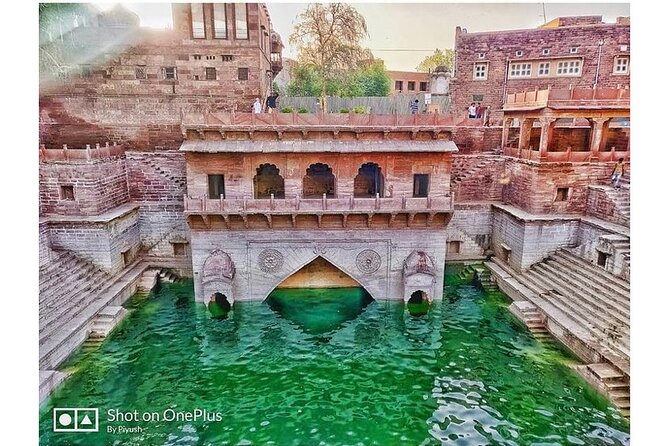
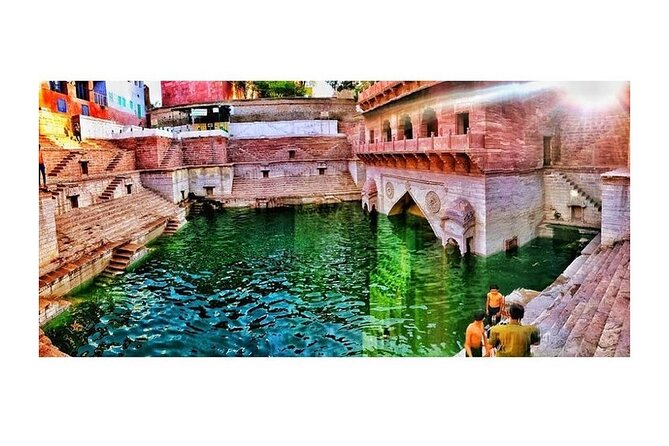
Next comes Toorji Ka Jhalra (Toorji’s Step Well) for about 30 minutes. This stop is special because it’s functional history: the step well was used as an important water body in ancient times.
The value here isn’t just architecture. You start to see how water infrastructure shaped where people built homes and how communities organized themselves. In a city where you’re walking tight lanes, these water-works connect the “pretty” Blue City idea to the practical side of old urban living.
Good news for planning: the admission for this stop is listed as included, so you don’t have to juggle ticket math for every single location. You can spend your mental energy on the explanations and the details.
Sardar Market and the temple timing reality check
You’ll also spend about 30 minutes at Sardar Market. This is a useful stop because it shifts you from monuments into everyday city energy—shops, stalls, and the kind of movement that helps you understand how locals shop and snack.
There’s an extra variable: your visit may include a temple, depending on whether it’s open. The plan is to consider temple access based on opening timing, so don’t treat this as a guarantee. Still, even without a temple interior, Sardar Market is a good place for street-level context.
This is also where street food can fit in. The tour overview specifically allows for the possibility of wrapping things up with street food at a local market. If you want that, tell your guide early so they can guide you toward options that match your comfort level and timing.
Maharani Spices: a short stop if you’re the curious type
If you’re interested in shopping for spices, you’ll have a brief 15-minute stop at Maharani Spices. Since the time is short, I’d treat it as a chance to sample ideas and pick up a few practical items rather than a full-on shopping mission.
How to get the most out of it: ask your guide what tends to be useful to buy. You’re more likely to bring home something you’ll actually use than a random bag of powders with no plan.
If shopping isn’t your thing, this slot is still manageable. It’s short enough that you won’t lose momentum before the tour ends.
Tuk tuk + private guide: the real advantage in narrow Jodhpur streets
Jodhpur’s streets can feel like they were designed for walking and stubborn about cars. That’s exactly where a tuk tuk helps. You get transport without the hassle of long distances or fighting traffic in tight lanes.
But the bigger win is the private guide. Your experience is set up for narration, personal pacing, and added stops based on what you care about. One review highlights splitting the tour into two parts to avoid the harsh midday period, and the guide is described as paying attention to heat and crowd levels. That kind of attention matters because you’ll spend a good chunk of time outside, moving between sites that are visually close but physically different.
Also, the meeting and end points keep the day tidy. You start at Mehrangarh Fort Park and finish in the city center around the Clock Tower area. Ending near a central landmark helps if you want to continue independently afterward.
Timing, weather, and the comfort math
The tour runs about 3 to 5 hours, so it’s long enough to feel like a full day slice, but short enough to pair with other Jodhpur plans. The key is that it’s outdoors: fort areas, a walk through blue lanes, and market time.
Weather matters. The experience notes that it requires good weather. If conditions are poor, you should expect a different date or a refund option.
Here’s the comfort math you should do before you book:
- If you go in the middle of the day, bring patience. Even with a guide who can adjust timing, sun is sun.
- If you love photos, the walking portion is where you’ll get your best angles—just plan for walking in uneven, narrow spaces.
- If you hate shopping stops, ask to keep Maharani Spices brief or skip it if the tour can adjust.
Entry fees and budget-friendly planning (no surprises)
Here’s what’s clearly listed as not included versus included:
- Not included: Mehrangarh Fort and museum entry (₹600 foreign tourists, ₹150 Indian tourists).
- Included: Toorji Ka Jhalra step well admission.
- Free: Sardar Market temple admission is noted as free, and Maharani Spices admission is noted as free (though the store stop itself is optional if you’re interested).
So you’re not paying tickets at every single stop—but the fort complex is the big paid component. If you’re comparing options, this is the one line item that can make the tour feel expensive on paper if you forget to add it.
My advice: treat the $20 as your guide and route cost, and treat the fort ticket as the monument cost you have to pay wherever you go.
Who this tour suits best
This is a good fit if you want:
- A private experience where you can ask questions and steer the pace.
- A blend of major sights and smaller, quieter blue-lane streets.
- A guide who can explain not just what you’re seeing, but why it mattered.
It’s especially appealing for first-time visitors who want a fast orientation to the city layout. If you’re already a Jodhpur pro and only care about one or two sites, you might decide to book a shorter plan instead. But for most people, the fort-to-blue-lanes-to-market flow makes sense.
If you’re traveling with someone who cares about photos but also wants context, this tour’s narration-focused structure is a strong match.
Should you book this Jodhpur Blue City tuk tuk tour?
I’d book it if you want the Blue City story told by a local guide, not just seen through a camera lens. The combination of Mehrangarh Fort, Jaswant Thada, a walking segment into older blue areas, and a market finish is a practical way to get both the famous sights and the everyday feel.
I’d think twice if you’re trying to keep spending ultra-minimal. The tour price is good, but fort and museum entry fees are extra, so the real cost is tour + ticket.
If you’re going and you care about comfort, tell your guide you prefer a cooler pace. The setup is flexible, and a guide who manages heat and crowd timing can turn the same sites into a much more enjoyable day.
FAQ
What’s the duration of the private Jodhpur Blue City tour?
The tour runs approximately 3 to 5 hours.
Where does the tour start and where does it end?
It starts at Mehrangarh Fort Park and ends in the city center around the Clock Tower area (Maharajah Kantha Craft, Ghantaghar Market).
Is pickup included?
Yes. Pickup is offered.
What’s included in the $20 price?
The tour includes tea and coffee. It’s also a private tour, so only your group participates.
Are entry fees included for Mehrangarh Fort and the museum?
No. Mehrangarh Fort and museum entry fees are not included. The listed cost is ₹600 per person for foreign tourists and ₹150 per person for Indian tourists.
What if the weather is poor or plans change?
The experience requires good weather. If it’s canceled due to poor weather, you’ll be offered a different date or a full refund. Cancellation is free up to 24 hours in advance for a full refund, and changes within 24 hours aren’t accepted.