REVIEW · NUWARA ELIYA
Nuwara Eliya to Horton Plains, Strawberry& Ambewela Farm TUK
Book on GetYourGuide →Operated by TRAVRI.com · Bookable on GetYourGuide
Mist and cliffs: this day is all about height.
From the start, you get big Horton Plains energy with misty cloud-forest air and the sort of views that make your camera work overtime. I really like how the route mixes wildlife chances with walkable viewpoints, especially the dramatic World’s End cliff. The second thing I love is the farming contrast later on—Ambewela dairy scenery, then strawberry fields for color and photos. The one catch: the main park entries and related costs aren’t bundled, so you’ll want cash and a clear plan for on-site payments.
The other consideration is the walking style. This tour is built around marked trails and photo stops, not a heavy hike—yet it still involves several hours outside in cool mountain weather. If you’re expecting a guide to shepherd you the whole way inside the park, double-check how your English guide handles the walking portion.
In This Review
- Key things I’d plan for
- Horton Plains from Nuwara Eliya: the misty-morning payoff
- The walk in Horton Plains: what you’ll actually experience
- World’s End: the cliff that changes how you see the map
- Baker’s Falls: a cool-air reset between viewpoints
- Ambewela Farm area: dairy country in the hills
- Strawberry Fields at Simply Strawberries by Jagro Maitland Place
- Quick note on behavior
- TUK TUK pickup, a private group, and how the day really runs
- Price and value: what $31 doesn’t include
- What to bring so the day feels easy
- Who this tour suits best (and who should skip it)
- Should you book? My decision guide
- FAQ
- How long is the tour from Nuwara Eliya to Horton Plains and the farms?
- Where is the pickup location?
- Are entrance fees to Horton Plains included?
- Is there a guide for the walking or hiking portion?
- What should I bring for this highland day?
- Are meals and drinks included?
- Can I see wildlife, and are leopard sightings guaranteed?
Key things I’d plan for
- World’s End timing matters: early light helps with visibility over tea country.
- Park costs are separate: entrance fees are not included.
- Wear hiking shoes: even a gentle trail adds up after hours in the highlands.
- You’ll likely walk independently inside: you’ll be on trails, not just riding between stops.
- Wildlife is possible, not guaranteed: keep your expectations flexible for leopard sightings.
Horton Plains from Nuwara Eliya: the misty-morning payoff
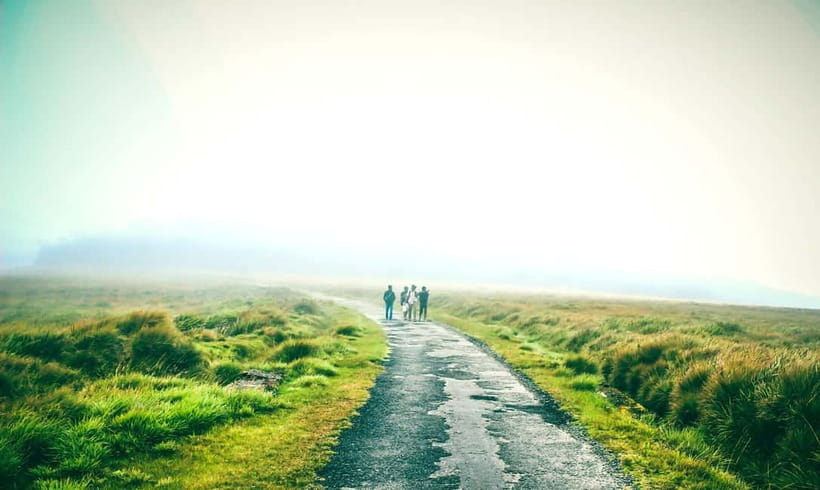
You start in Nuwara Eliya and head uphill early, when the roads often look like they’re half-hidden by fog. That’s part of the fun. The closer you get to Horton Plains National Park, the more the scenery turns cool, green, and quiet—less traffic, more birdsong, more that cloud-forest feel.
The park is famous for biodiversity: rolling grasslands, misty cloud forest, and a chance to see wildlife. On this day, you’re given time for photo stops and sightseeing plus a guided nature walk on well-marked trails. The goal isn’t speed. It’s to slow down enough to notice birds, plants, and the general rhythm of the highlands.
If you’re a photographer, this is one of those places where small shifts in weather change everything. One minute you’re under gray skies; the next, you catch a break and the whole view pops.
The walk in Horton Plains: what you’ll actually experience
Your time in the park is long enough to feel like a real outing—around three hours—yet it’s not described as a strenuous hike. Think: steady walking, photo angles, and occasional pauses to look for animals. That matters because people often arrive with the wrong mindset. If you prepare for a comfortable, scenic walk rather than a fitness challenge, the experience tends to feel better.
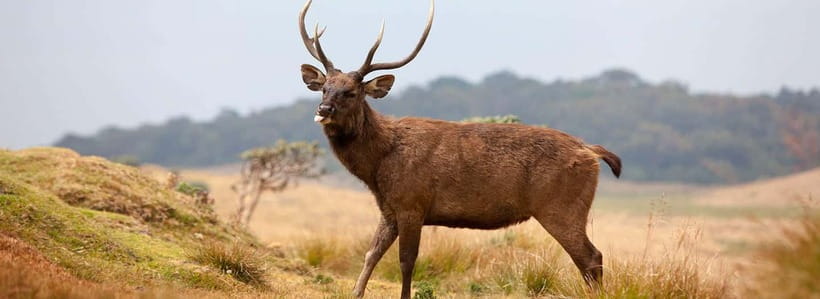
You might spot endemic birds and unique plant species. You may also see sambar deer (or at least signs of them). The big wildlife hope is a Sri Lankan leopard, and the park is one of the better places on the island to keep that possibility in mind—but you should treat it as a lucky bonus, not the centerpiece.
Practical tip: bring a daypack with water and keep it easy to access your camera. In cool highlands, you’ll often want a jacket on and off as the fog level changes.
World’s End: the cliff that changes how you see the map
World’s End is the highlight, and it lives up to the reputation. It’s a dramatic cliff with a sheer drop of nearly 880 meters. The real magic is the scale: on a clear day, you can look out over tea estates, valleys, and far-off coastal plains.
When visibility is limited, you’ll still feel the edge of the world—even if the view turns into layers of mist. Either way, it’s an instinctive stop. You’ll be walking to the viewpoint and then lingering for photos from multiple angles.
Baker’s Falls: a cool-air reset between viewpoints
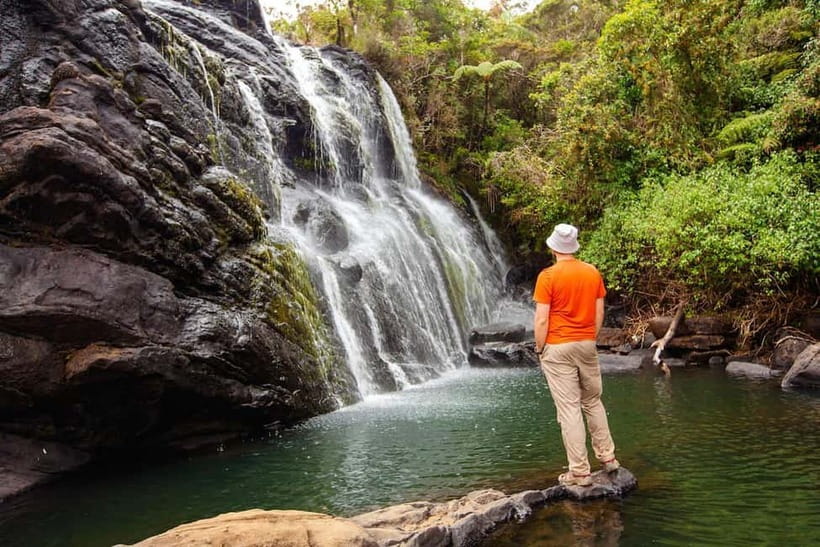
After the cliff, you head toward Baker’s Falls. This stop is shorter—about one hour including photo stops and sightseeing—so it works like a reset button. You’re still in highland terrain, still surrounded by green, but the focus shifts from panoramic height to flowing water and close-up nature.
Baker’s Falls is one of those waterfall experiences where the air feels cooler and the ground stays slick. That’s why your shoe choice matters. I like to keep my footwear consistent for the whole day because you’ll jump between grassy trails and wetter ground.
This isn’t the kind of place where you need to spend hours researching angles. You go in, you find a good viewpoint, you take photos, you enjoy the sound of water, and you move on before the weather shifts again.
Ambewela Farm area: dairy country in the hills
Next up is Ambewela—often described as a little like New Zealand because the grazing hills and farm rhythm feel familiar. This is where the day stops being only about cliffs and forests and becomes about daily life in tea country’s cooler climates.
You’ll spend about two hours at the Ambewela farms area for sightseeing and a walk. The big theme here is dairy: Ambewela is known for quality dairy production, and the farm scene is easy to photograph. Cattle grazing on rolling ground gives you that classic hill-country look—plus, the fog and cloud layers can make the light very dramatic.
This portion of the day also helps balance the tour. If Horton Plains had you scanning for birds and deer, Ambewela gives you open views and a chance to slow down and watch farming practices from the outside.
Strawberry Fields at Simply Strawberries by Jagro Maitland Place
Then you end with strawberries—bright, cheerful, and very “only here.” Your time at the strawberry farm is around two hours, including time for photo stops and a walk.
You’ll see how strawberries are grown and you may enjoy fresh fruit, but it’s seasonal. So don’t plan your whole day around eating berries. Plan around the visuals: rows, color, and that rolling-hills backdrop that makes even casual photos look great.
If the weather is clear, this stop can be the best light of the day because you’re not under the same cliff pressure as World’s End. If it’s foggy, you’ll still get the atmosphere—soft light and a cozy feeling that contrasts with the dramatic drop you saw earlier.
Quick note on behavior
This is one of those tours where your experience improves when you follow the simple rules: stay on marked trails, don’t touch plants, don’t feed animals, and keep the area clean. It’s not just respect for the place—it also keeps you moving safely.
TUK TUK pickup, a private group, and how the day really runs
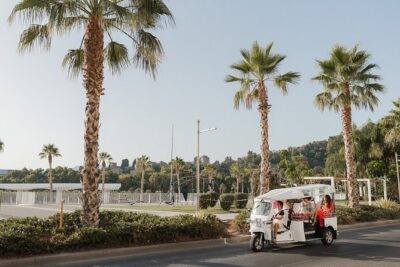
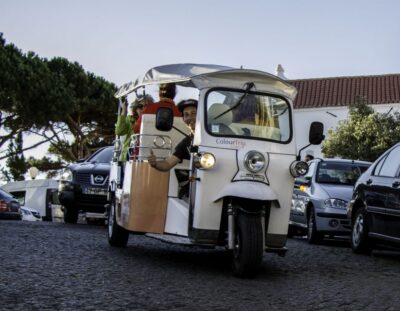
This tour is built for a private group, with hotel pickup and drop-off by TUK TUK. That changes the vibe. You’re not crammed into a bus schedule, and you can keep questions focused on what you’re seeing.
There’s also a live English tour guide. In at least one guide experience, the guide worked hard to explain things even with limited English, and the overall feeling was friendly and attentive. You’re not getting a lecture; you’re getting practical context and help with the flow of stops.
One logistical reality to plan for: entrance fees aren’t included, and in some cases your transport may be outside the park while you walk. So think of your day as a mix of ride time and trail time. Bring what you need for the walking portion, because you won’t want to scramble for basics at the last minute.
Price and value: what $31 doesn’t include
The tour price may look straightforward at first glance, but the value depends on what you’re paying beyond the base cost. Entrance fees/tickets are not included, and that can be a significant add-on for Horton Plains.
In real-world terms, some people found the total felt high once the on-site entry costs were added. Others still considered it worth it because the transport was smooth and the day felt well organized. So here’s the honest way to think about value:
- If you hate logistical hassle, a one-day package can save time and stress, even if entry fees are extra.
- If you’re comfortable arranging transport locally and you’re happy to self-direct, you may feel less enthusiastic about paying for the package.
- If you want a private day with early start timing and a guide who helps with the flow, you’re paying for coordination as much as scenery.
My suggestion: price-compare not just the sticker number, but the total you expect to pay on the ground (especially park entry). Then decide based on how much you value a smooth, pre-set route.
What to bring so the day feels easy
This kind of highland day can be comfortable—or miserable—depending on preparation. The tour asks you to bring the essentials, and I agree with all of them:
- Comfortable walking shoes
- Warm clothing (foggy highlands cool down fast)
- Hat
- Camera
- Sunscreen
- Water
- Insect repellent
- Daypack
Also consider rain gear. Weather can be unpredictable, and a simple raincoat or umbrella can save your photos and your mood. You’ll be outside for hours.
And remember the photography rule: photography is allowed, but avoid flash near animals. It’s polite and it keeps wildlife behavior natural.
Who this tour suits best (and who should skip it)
This experience fits nature lovers and photographers who want a day of fresh air, big views, and highland-to-farm contrasts. It also works well if you’re comfortable walking several hours on trails and standing at viewpoints for photos.
It’s not suitable for children under 6, pregnant women, people with mobility impairments, wheelchair users, or anyone with heart problems. That’s mainly about the walking time, cool weather, and uneven natural terrain.
If you’re traveling solo, this private group approach can feel calmer than joining a larger crowd. If you’re with friends, you’ll have more control over how long you linger at viewpoints and photo stops.
Should you book? My decision guide
Book it if:
- You want World’s End and Baker’s Falls in one highland day without juggling transport yourself.
- You’re okay paying park entry separately and you prefer a pre-planned route.
- You enjoy photography more than hardcore hiking.
Consider another option if:
- You’re cost-sensitive and comfortable arranging rides and park logistics on your own.
- You want a firm guarantee of a detailed walking guide inside the park.
- You’re bringing someone who can’t handle several hours outdoors in cool, possibly wet conditions.
If you go in with the right expectations—misty heights, scenic trails, and farm contrast—you’ll likely feel it was a satisfying day in Sri Lanka’s hill country.
FAQ
How long is the tour from Nuwara Eliya to Horton Plains and the farms?
It lasts about 8 hours.
Where is the pickup location?
Pickup is from Nuwara Eliya.
Are entrance fees to Horton Plains included?
No. Entrance fees/tickets are not included.
Is there a guide for the walking or hiking portion?
A guide to walk/hiking is not included. There is a live English tour guide, but walking on trails may be more self-paced.
What should I bring for this highland day?
Bring comfortable shoes, warm clothing, a hat, camera, sunscreen, water, insect repellent, and a daypack. A raincoat or umbrella can help since weather is unpredictable.
Are meals and drinks included?
No. Meals and drinks are not included.
Can I see wildlife, and are leopard sightings guaranteed?
Wildlife viewing is part of the experience. You might see endemic birds, sambar deer, and you may spot leopard, but sightings are not guaranteed.