REVIEW · DAMBULLA
From Kandy: Sigiriya and Pidurangala Rock Tuk Tuk Safari
Book on GetYourGuide →Operated by Lanka Budget Tours · Bookable on GetYourGuide
Sigiriya from Kandy is a long day, but it’s a good one. What I like most is the combo of Dambulla Cave Temple and the choice of Sigiriya or Pidurangala Rock—you get both ancient art and big viewpoints. The only real catch is that the day can come with extra spending stops (notably lunch/juice and any on-site purchases), so go in with a plan for what you’ll pay for.
This is a private, English-speaking day tour with hotel pickup and drop-off, plus a driver who knows how to keep things moving. You’re also not just stuck on a “temple then view” circuit: there’s a spice garden experience, a village safari, and a wildlife safari opportunity, which makes the trip feel more like a route through real Sri Lanka than a checklist.
The route is scenic, but it’s also a ride day. In practice, the tuk tuk safari can feel bumpy and slower than you expect, so comfortable shoes and patience help a lot.
In This Review
- Key highlights worth lining up
- A Kandy-to-Sigiriya day tour in 8 hours: how it really feels
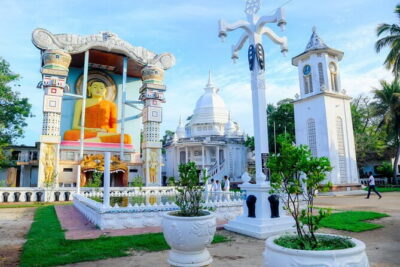
- Matale Hindu Temple: a quick, spiritual first stop
- Dambulla Cave Temple (UNESCO): when the walls become the show
- The Herbal Cinnamon and Spice Garden: smell, learn, and decide what you’ll buy
- Sigiriya or Pidurangala Rock: choose the vibe, not just the icon
- Sigiriya Rock
- Pidurangala Rock
- What I’d choose
- Sigiriya Village Safari: rural life you can actually talk about
- Wildlife safari opportunity: how to handle optional add-ons
- Lunch and the cultural food stops: don’t get surprised by the bill
- Price and value: what $22 covers (and what it doesn’t)
- Tips that make a difference: shoes, sun, and pacing on the rocks
- So, should you book it?
- FAQ
- How long is the Kandy to Sigiriya and Pidurangala tuk tuk safari?
- Is pickup included, and where does it start?
- Can I choose between Sigiriya Rock and Pidurangala Rock?
- Are entrance fees and meals included?
- What should I bring for the day?
- Who might this tour not be suitable for?
Key highlights worth lining up
- Dambulla Cave Temple (UNESCO): Cave paintings and statues that make the journey feel meaningful.
- Rock choice that changes the day: Sigiriya for the iconic fortress climb, Pidurangala for a calmer viewpoint (with often lower entry costs).
- Herbal cinnamon and spice garden: Smell and learn how Sri Lankan spices get used, then watch for optional purchases.
- Sigiriya Village Safari: A more hands-on look at local crafts and rural life.
- Wildlife safari timing: You may be offered an extra safari-style option—ask the price before you commit.
A Kandy-to-Sigiriya day tour in 8 hours: how it really feels

This is set up as a full day—8 hours from hotel pickup to drop-off—with a private driver and an English-speaking guide/driver team. That private setup matters. You’ll have less time wasted than on bigger group tours, and you can usually move your pace at each stop without feeling rushed by a crowd.
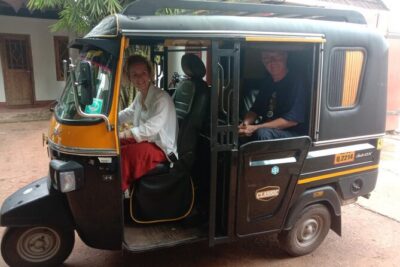
The transportation is part of the experience: this is described as a tuk tuk safari, and in reality it can involve a larger vehicle than you might picture from the marketing photos. I’d plan for a ride that’s a bit bumpy and dusty at times, especially outside town. If you’re the type who gets carsick, you’ll want to brace early: keep water handy, sit where you feel most stable, and don’t plan to start the day with a super delicate stomach.
A simple rule: treat it like an all-day “route day.” It’s not a casual stroll itinerary. There’s walking at temples, some uneven steps at the rocks, and a couple stops where you’ll spend time learning (and possibly shopping).
Matale Hindu Temple: a quick, spiritual first stop
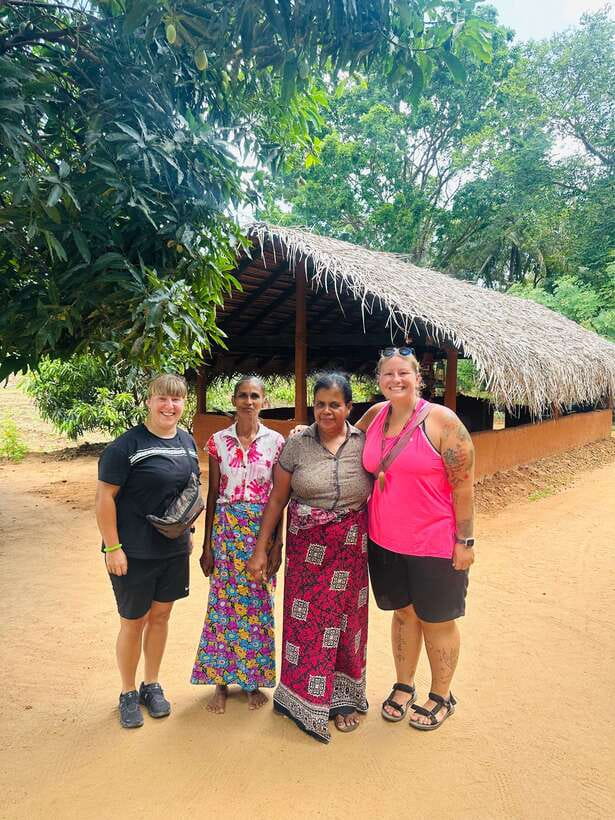
Your morning begins at the Matale Hindu Temple. Think of this as a warm-up stop for local religious life rather than a long sightseeing marathon. You’ll likely see areas you can walk around, and it sets a tone of how Sri Lanka’s culture shows up in daily practice—not just in big-ticket attractions.
One practical thing I like about starting here: it helps you avoid the “everything is rushed right at the main sights” feeling. You get a first cultural stop before the bigger names—so the day doesn’t flip from hotel to peak-tourism instantly.
That said, this temple stop isn’t always the star of the show. It’s more meaningful as a cultural starting point than as a must-see compared with what comes later.
Dambulla Cave Temple (UNESCO): when the walls become the show
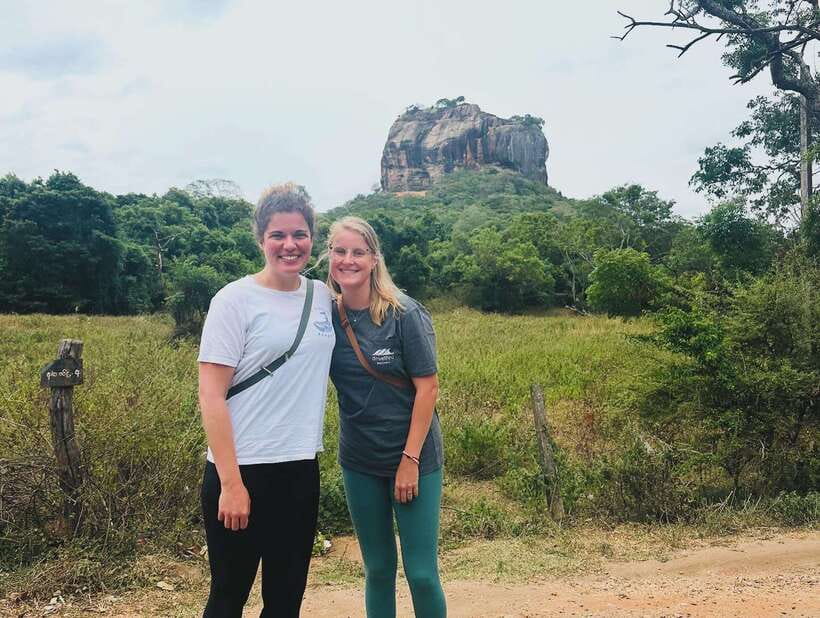
If you want one reason this tour is worth your time, it’s the Dambulla Cave Temple, a UNESCO World Heritage site. This is where you’ll feel the “wow” without needing to climb for hours.
Here’s what makes it click: cave spaces act like natural galleries. You’re walking among statues and cave paintings, and the art is positioned so your eyes keep traveling across the walls and ceilings. It’s one of those places where you don’t just look—you start to notice patterns, figures, and the way the space is used for devotion.
Also, this is a good place for your camera. Even if you don’t love photography, you’ll likely find angles that show both the scale of the caves and the detail on the figures.
Because the trip is only 8 hours total, this is the kind of stop you shouldn’t rush. Build in a slower pace here, even if you’re tempted to “get through it.” When you do it right, Dambulla makes the rest of the day feel connected.
The Herbal Cinnamon and Spice Garden: smell, learn, and decide what you’ll buy
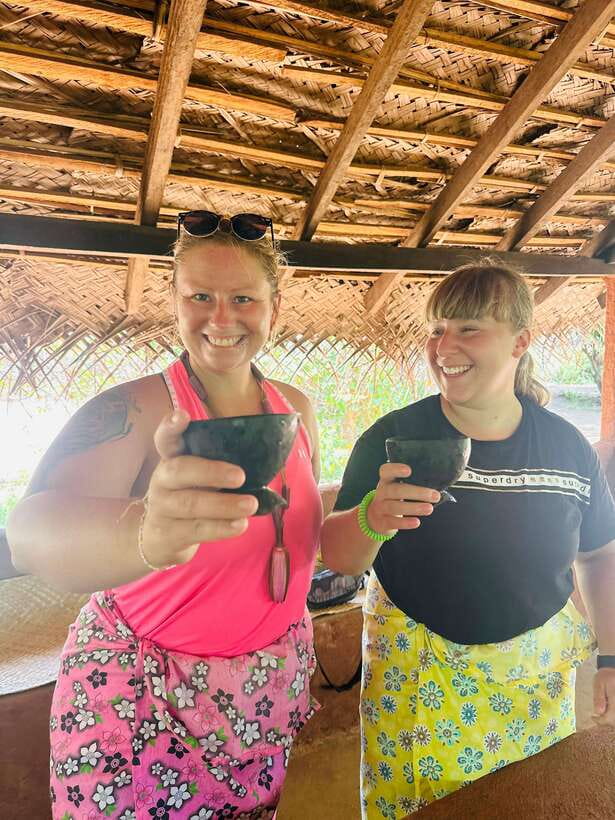
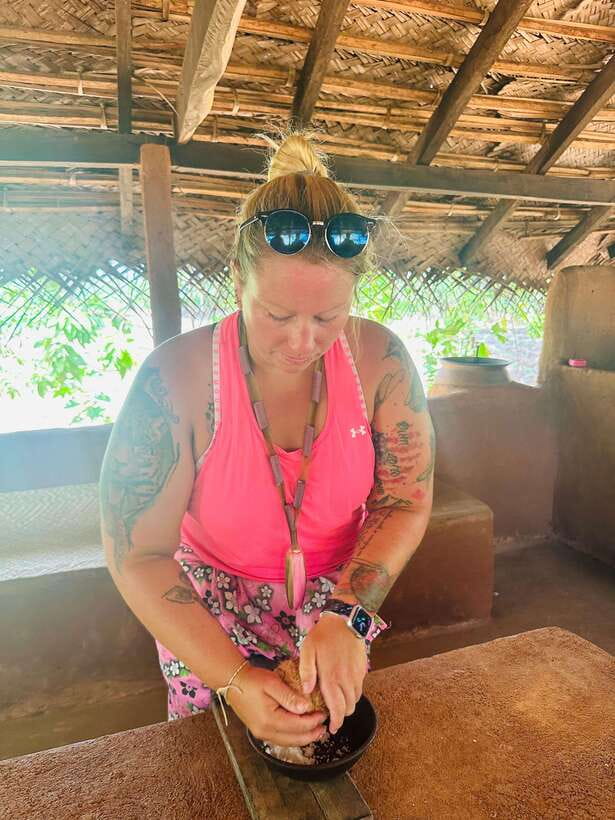
Next comes the Herbal Cinnamon and Spice Garden. Sri Lanka’s spices are famous for a reason, and this stop focuses on the sensory side: the smells, the plants, and how spices are grown and used.
This is also where you’ll encounter the part that can feel a little sales-heavy. A tour guide can be friendly and helpful (I had a very upbeat guide named Fazeel on this style of day), but that doesn’t stop the gift-shop pressure from showing up. The garden experience itself can be genuinely interesting—especially if you like plants, cooking, or understanding how everyday ingredients work—but the shopping part can take over if you’re not ready.
My advice: treat this stop like a museum with a store at the end. If you want to buy something, buy it confidently. If you don’t, simply enjoy the plant education and keep your wallet closed until you’re back in charge of your choices. And if you want cinnamon or spice blends, compare options rather than feeling forced into the first offer.
Sigiriya or Pidurangala Rock: choose the vibe, not just the icon
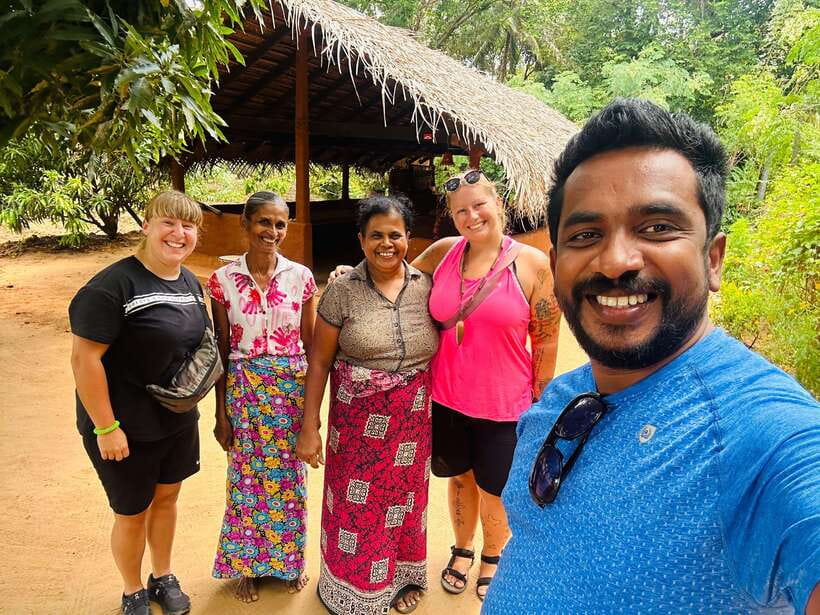
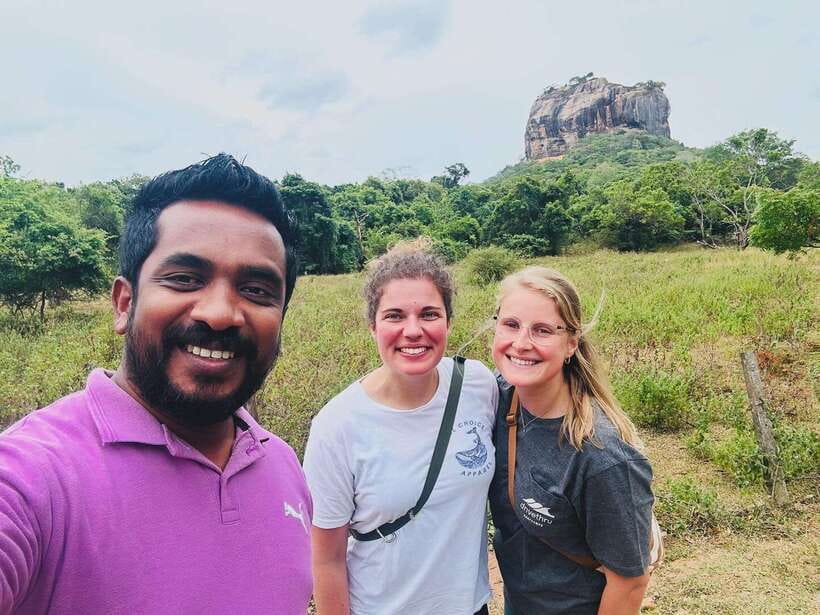
This is the heart of the day: you’ll choose between Sigiriya Rock and Pidurangala Rock. Both reward you with big viewpoints, but the feel is different.
Sigiriya Rock
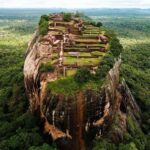
Sigiriya is the iconic fortress rock—ancient, dramatic, and built for people who want the classic signature climb. It’s also the one that tends to feel like more of a full hiking effort. If you’re okay with steps and uneven ground, it’s a great choice.
But the tour notes it as moderate physical activity. That’s not just a legal phrase. Build in slower movement, wear good shoes, and don’t try to sprint your way up for photos. If you have back problems or you’re pregnant, this option may not be a good fit at all.
Pidurangala Rock
Pidurangala is the calmer alternative. I like it for one main reason: the viewpoint experience can feel more relaxed. It’s often less crowded and can be a better match for people who want the panorama without the stress of the busiest route.
One more practical detail: entrance fees aren’t included, and the entry cost can differ between the two rocks. If you’re cost-conscious, Pidurangala may fit your budget better. Even if you choose Sigiriya for the fame, keep in mind that you’ll still be paying entrance fees on the day.
What I’d choose
If your priority is the history-famous climb, pick Sigiriya. If your priority is views with less crowd pressure and a more serene pace, pick Pidurangala. Either way, bring water, protect yourself from sun, and plan your photos around shade breaks. The rocks can be bright and hot.
Sigiriya Village Safari: rural life you can actually talk about
Between the temple and the rocks, the day includes a Sigiriya Village Safari. This is where the tour becomes more than sightseeing.
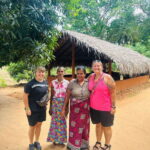
You’ll have time for small interactions with locals and see traditional craftsmanship. Even if you don’t speak the local language, these are the moments where you learn by watching and asking simple questions. It also helps you remember that Sri Lanka isn’t only caves and monuments. People live here, make things here, and keep routines that don’t depend on tourism.
I recommend going into this stop with curiosity, not expectations. Village experiences can’t be scripted perfectly to match every visitor’s interests, but they can be authentic in the best way: you see real work and real daily rhythms.
Wildlife safari opportunity: how to handle optional add-ons
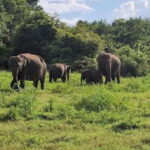
The tour includes a wildlife safari element, but there’s a common “decision point” with safari-style experiences: you may be offered something more specific or more expensive. In one case, a guest skipped a paid safari upgrade because it would have added about $50 per person.
So here’s the move: when you’re at the safari portion, ask a simple question first—what exactly is included right now, and what costs extra? If you’re already seeing plenty of wildlife activity or you don’t want another bill, you may be better off staying with the baseline plan.
If you’re a big animal person, you might feel differently. Just don’t assume the extra option is worth it. Ask the price, ask what the ride/spotting actually covers, and then decide.
Lunch and the cultural food stops: don’t get surprised by the bill
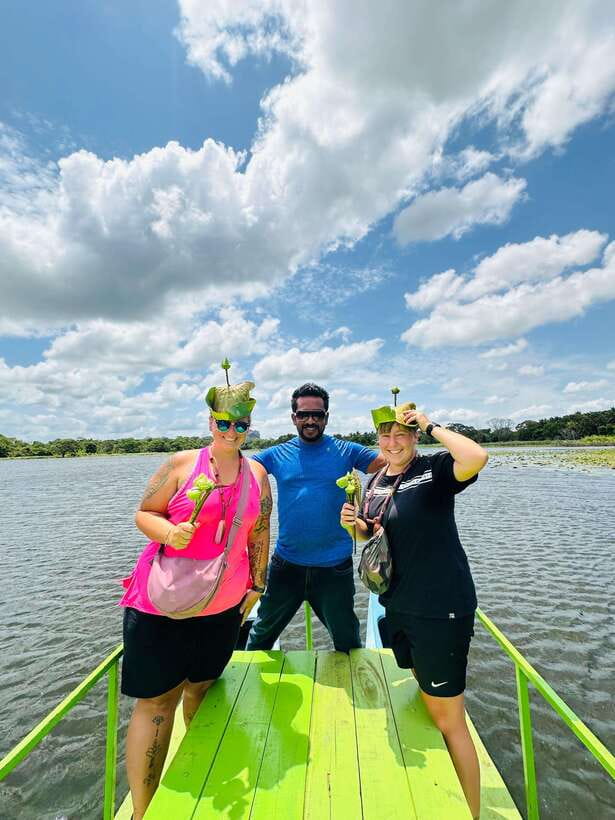
This tour includes a cultural culinary experience, but meals and drinks are not included. That sounds straightforward until the day hits you with lunch choices and a juice bar where costs can feel out of step with what you’re receiving.
From what I see in this kind of tour format, the lunch plan may be in a place that’s set up for tourists, and the pricing can be high compared with what you’d pay if you ate independently. The quality might be fine, but it can still feel expensive.
My advice:
- Decide whether you want to use the tour lunch spot or skip and find a simpler option later.
- If you do eat there, treat it as a convenience price, not a bargain.
- If you want something flexible, keep some snack backup for the day so you’re not trapped by timing.
You’ll enjoy the day more if your food expectations match the format.
Price and value: what $22 covers (and what it doesn’t)
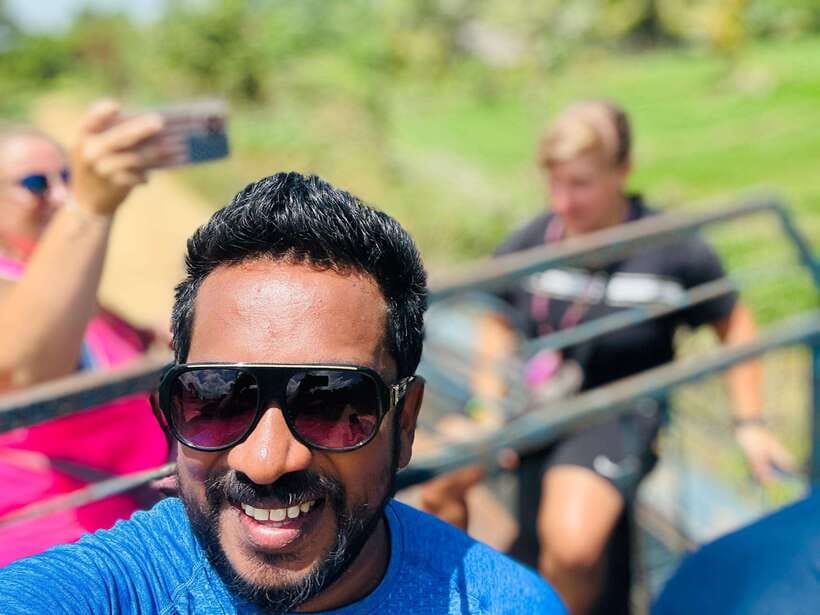
At about $22 per person for an 8-hour private day with hotel pickup and a packed itinerary, the value can be strong—especially because you’re not just visiting one or two attractions. You’re covering multiple regions and experiences: temple, UNESCO caves, spice garden, village safari, a wildlife safari opportunity, and either Sigiriya or Pidurangala.
But you should know what changes the real cost:
- Entrance fees aren’t included. Expect to pay separately for the rock climbing sites and other sights with paid entry.
- Meals and drinks aren’t included. Lunch and drinks are usually where the “final number” creeps upward.
So the honest way to think about it is: the $22 gets you the structure and guides/transport for the day. Your final spending depends on your choices for rocks, snacks, and any optional paid safari upgrades or purchases at the spice garden.
Also, the tour is private. That alone can be a big value factor versus sharing a vehicle with strangers all day.
Tips that make a difference: shoes, sun, and pacing on the rocks
This isn’t a “put your feet up” tour. To keep it comfortable:
- Wear comfortable shoes with grip. Steps can be dusty and uneven.
- Bring a hat, sunscreen, and water. The rocks especially can feel hot.
- Bring a camera if you’re a photo person, but also set expectations: you’ll take photos at multiple stops, not just one view.
- Respect the vibe at religious sites. Keep your shoulders and legs appropriate where needed, and move calmly through the cave temple.
One more note: smoking isn’t allowed, so plan breaks around that rule if you need to step away.
If you fall into the tour’s caution group—children under 5, pregnant women, or anyone with back problems—consider an easier alternative. The rock portion is the main physical challenge.
So, should you book it?
If you want a single day that combines UNESCO caves, a spice garden education, village life, and one of Sri Lanka’s famous rock viewpoints, this tour fits the bill. The best part is the balance: it’s not only temples and it’s not only climbing.
I’d book it if you:
- like structured day trips with a private driver
- want to see both culture and scenery
- are comfortable with moderate walking and a rock climb
I’d think twice if you:
- hate feeling pressured to buy things at stops
- want full control of lunch pricing (because food and drinks aren’t included)
- have mobility concerns for the rock portion
If you go in prepared—comfortable shoes, sun protection, and a clear plan for lunch and any optional costs—you’ll get a day that feels like Sri Lanka in miniature: temples, spices, villages, and big views from the top.
FAQ
How long is the Kandy to Sigiriya and Pidurangala tuk tuk safari?
The duration is 8 hours.
Is pickup included, and where does it start?
Yes. Hotel pickup and drop-off are included from any hotel in Kandy. You should wait in the hotel lobby about 10 minutes before the scheduled pickup time.
Can I choose between Sigiriya Rock and Pidurangala Rock?
Yes. The tour includes a choice of climbing Sigiriya or Pidurangala Rock.
Are entrance fees and meals included?
Entrance fees and meals/drinks are not included. The itinerary includes stops, but you should expect to pay entry and handle lunch on your own.
What should I bring for the day?
Bring comfortable shoes, a hat, a camera, sunscreen, and water.
Who might this tour not be suitable for?
It’s not suitable for children under 5, pregnant women, or people with back problems. It also includes moderate physical activity if you climb the rocks.