REVIEW · AMSTERDAM
Amsterdam: Private City Highlights Tour by Rickshaw
Book on GetYourGuide →Operated by black fox transport tour and hire · Bookable on GetYourGuide
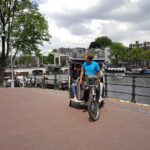
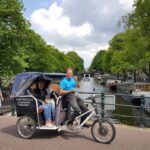
Pedicabs turn Amsterdam into a moving postcard. This private highlights ride helps you see Dam Square, the rickshaw-friendly canal-side sights, and multiple neighborhoods in just 1 to 2 hours. I particularly like the mix of big landmarks and small street energy, plus a guide who explains what you’re passing instead of letting you guess. The main drawback: this tour isn’t suitable for wheelchair users, and large bags aren’t allowed on board.
I also love how the route gives you a fast sense of Amsterdam’s layout. You’ll glide from the Amstel waterfront to places like Museumplein and the De Negen Straatjes shopping lanes without wearing your feet out.
One more practical note: the guide will often message you close to pickup time and share live location info, which makes finding them in the busy center much easier.
In This Review
- Key things I’d bet on before you book
- Why a Rickshaw Tour Works So Well in Amsterdam
- Price, Group Size, and Choosing 1 Hour vs 2 Hours
- Hotel Pickup in Amsterdam-Centrum: The Start That Sets the Tone
- Dam Square: The 13th-Century Heartbeat of the City
- Moving Through De Wallen: Red Light District Without the Noise
- Nieuwmarkt and Chinatown: Where the City Feels Like It Lives
- Rembrandtplein Mood, Magere Brug, and the Amstel: Amsterdam’s Film-Scene Views
- Museumplein and the Museum Buildings: Art District, Not Just Museums
- De Gooyer Windmill and Vondelpark: Proof Amsterdam Still Builds for the Future
- De Negen Straatjes (Nine Small Streets): Shopping Streets With a Local Feel
- Anne Frank House: A Stop for Understanding the Area
- Jordaan: The Cozy Ending That Feels Like Amsterdam
- On-Board Comfort: WiFi, Speaker, and a Friendly Pro Guide
- Logistics and Rules You Should Respect
- Who Should Book This Tour, and Who Should Skip It
- Should You Book This Private Highlights Ride?
- FAQ
- How much does the Amsterdam Private City Highlights Tour cost?
- How long is the tour?
- Does the tour include hotel pickup and drop-off?
- What can I see during the tour?
- Are there restrictions on luggage, pets, or mobility?
- What languages are available for the live guide?
- Is there a weight limit for the rickshaw?
- What’s included besides the guided ride?
Key things I’d bet on before you book
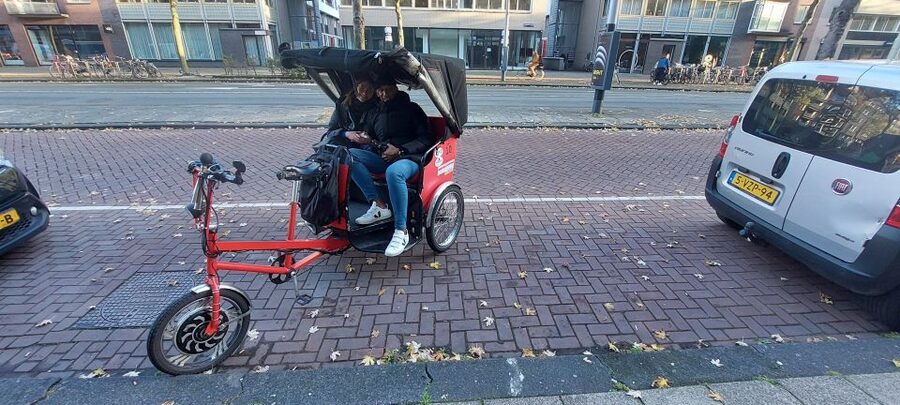
- Hotel pickup in Amsterdam-Centrum means you start easy, not chasing transit schedules.
- 1- or 2-hour private pace lets you match the tour to your energy level and itinerary.
- Stories at each stop keep major sights like Dam Square and the Red Light District from feeling like random photo ops.
- You cover distance fast and still get close views of Nieuwmarkt, Chinatown, and the Jordaan.
- On-board WiFi and a speaker are handy for quick lookups and sharing music on the move.
- Languages include English, Greek, and Bulgarian, so you’re more likely to get smooth explanations.
Why a Rickshaw Tour Works So Well in Amsterdam
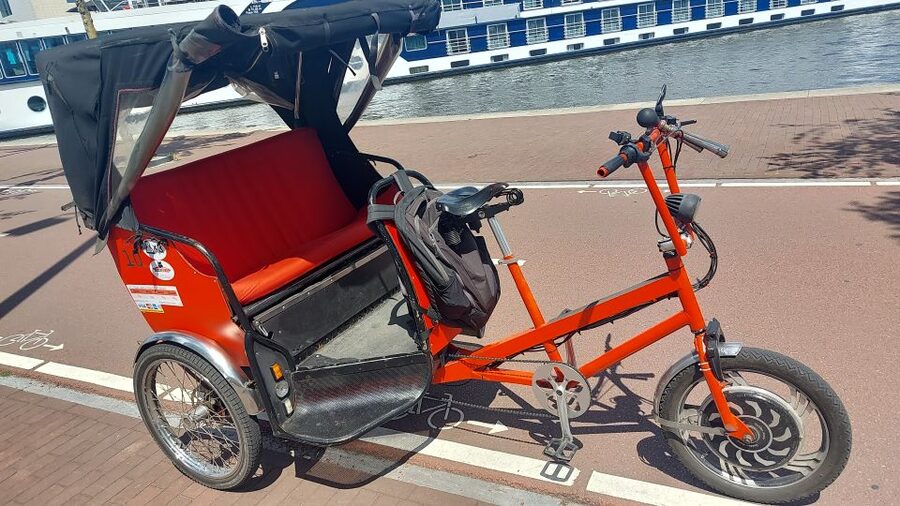
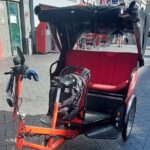
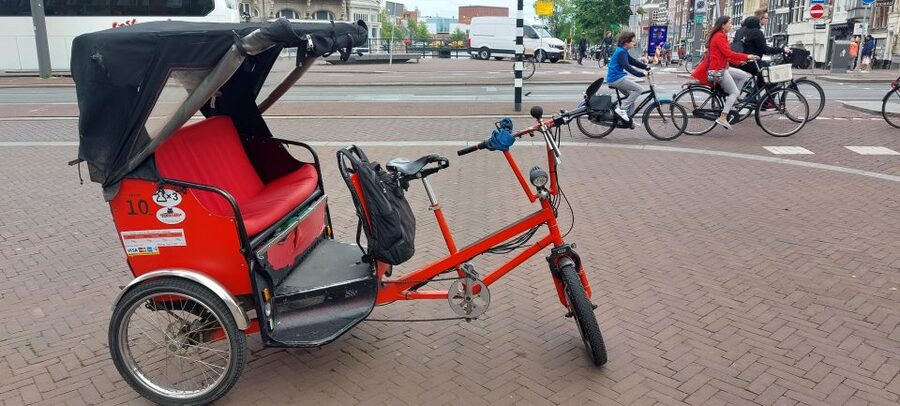
Amsterdam is a city where walking is great—until it isn’t. You’ll hit cobblestones, tight crossings, and canal-side detours that can eat up time. A rickshaw-style bike taxi solves that by trading shoe time for seat time, while still letting you look out at the neighborhoods instead of watching them blur by on a bus.
The best part is how “close” the ride feels. You’re not high above the street. You’re rolling past façades, storefronts, and viewpoints that you’d miss if you only stayed on a main walking route. And because it’s private, your guide can adjust how they talk and where they pause so you get a sense of the city, not just a checklist.
Price, Group Size, and Choosing 1 Hour vs 2 Hours
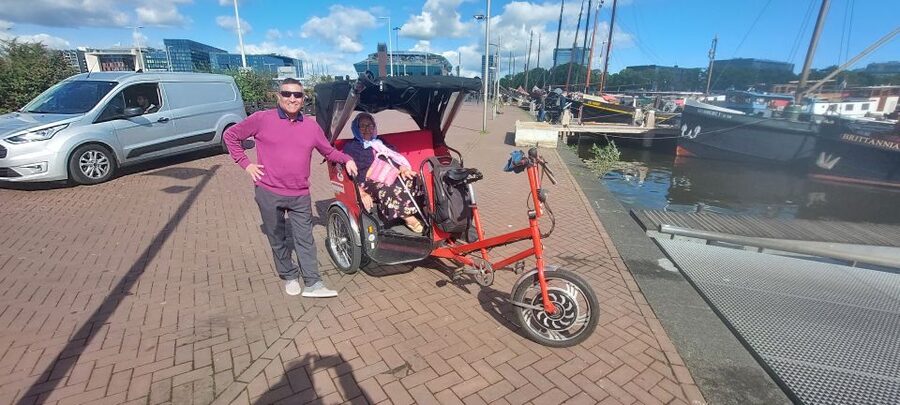
This tour is priced at $118 per group up to 2 people, which is a big deal in a city where “per person” tours can add up quickly. For two travelers, you’re effectively splitting the cost, and you get the value of a real guide plus hotel pickup and drop-off.
Now the timing choice matters. The 1-hour option is ideal if you want a quick orientation: Dam Square, a taste of the Red Light District, then a few key squares and bridges. The 2-hour option adds more variety—Vondelpark, De Gooyer Windmill, Rembrandt House, and extra neighborhood passes—so it feels more like a tailored highlights loop than a brief sampler.
If you have limited mobility or you just want to avoid a long walk day, I’d lean toward 2 hours. You’ll feel the difference when you’re not constantly deciding what you can skip.
Hotel Pickup in Amsterdam-Centrum: The Start That Sets the Tone
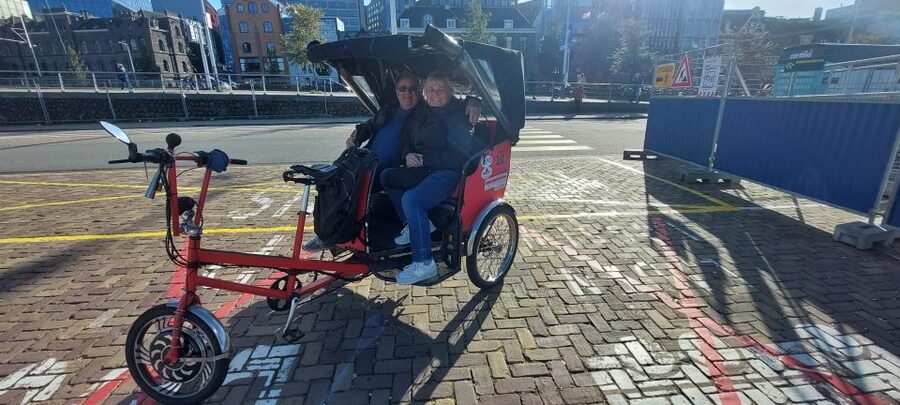
Pickup happens from your hotel in Amsterdam-Centrum. That matters because the city center can be confusing to navigate, especially if you’re also trying to find the right street entrance for your lodging.
I like that your guide can message you around 30 minutes before and provide live location help. Even if your hotel is easy to find, that kind of “we’re on our way” clarity saves stress. One last pickup tip: make sure you’re ready a bit early at street level. Pedicab pickup points can be tight, and you’ll get a smoother start if you’re not hunting around corners.
Dam Square: The 13th-Century Heartbeat of the City
Your tour begins near Dam Square, where the story starts with a dam built around the Amstel to prevent flooding. That’s a useful way to think about Amsterdam: it isn’t just a pretty canal city. It’s a place engineered around water control and trade.
What you’ll get here is orientation. Dam Square is crowded, historic, and visually dense, so your guide’s job is to help you decode it quickly. In a walking tour, you might spend time getting from one landmark to another. Here, you’re already in the “main stage,” which helps the rest of the ride make sense.
A small consideration: Dam Square can be busy. You may spend only a short guided window there, so if you want lingering photos, you’ll need to move fast and rely on the rickshaw’s ability to keep the itinerary moving.
Moving Through De Wallen: Red Light District Without the Noise
Next comes the Red Light District (De Wallen). The description calls it racy but friendly, and the key is that a guide frames what you’re seeing. Instead of sensational details, you get context—why the area looks the way it does and how it fits into Amsterdam’s broader history.
This is also where the rickshaw helps. You’re not trying to push through dense crowds on foot. You get a view of the streets and storefront rhythms while staying seated and moving along at a controlled pace.
One thing to consider: if you’re sensitive to the topic, you won’t be able to avoid it completely. But you can control how much attention you give the windows versus the street architecture and side streets. A guide helps you keep perspective.
Nieuwmarkt and Chinatown: Where the City Feels Like It Lives
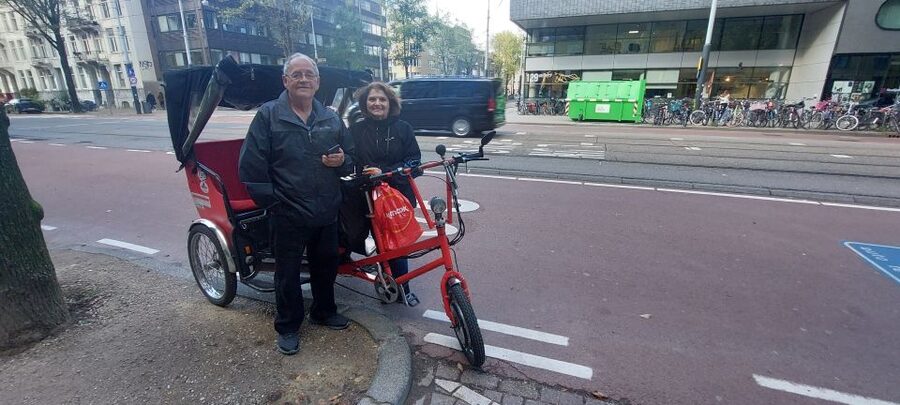
After the Red Light District, you roll toward Nieuwmarkt, then to Amsterdam Chinatown. This stretch is valuable because it shifts your attention from the most famous sight category into everyday neighborhood texture.
Nieuwmarkt gives you the lively square energy—more local rhythm, less postcard intensity. Then Chinatown changes the feel again: shops, signage, and a different kind of bustle. Even if you don’t plan to eat there, the ride helps you understand where different communities and visitor flows overlap.
The downside of squeezing many neighborhoods into one ride is that each stop is brief. The trade-off is that you leave with a mental map. If you later want a deeper walk through one area, you’ll know where to go.
Rembrandtplein Mood, Magere Brug, and the Amstel: Amsterdam’s Film-Scene Views
As the tour continues, you’ll pass by Rembrandtplein, which is known for nightlife. This is one of those places where timing matters. On any given day, it can look different depending on the crowd, lights, and music in the air.
Then comes the Amstel and a major highlight: Magere Brug (often called the Skinny Bridge). Bridges are the cheat code in Amsterdam. They compress the city’s canal geography into something you can immediately recognize, and they’re ideal “look now” moments from a vehicle.
If you care about photos, this portion helps because you’ll see the canal structure without needing to fight for position on foot. You also get a cleaner sense of direction: where the river runs, how neighborhoods connect, and how the city’s layout keeps pulling you back toward water.
Museumplein and the Museum Buildings: Art District, Not Just Museums
Your route includes Museumplein, with three museum buildings surrounding the square. Even if you aren’t visiting inside, this stop is useful because it shows you how Amsterdam organizes its major cultural zone—wide open space, grand architecture, and a “destination” feel.
The tour also passes P.C. Hooftstraat, a shopping street that feels different from the older, narrower lanes. This change in scale and storefront style helps your brain build a fuller picture of the city beyond the historic core.
One caution: Museumplein can be windy and open. If the weather is rough, your rickshaw seat still makes sense, but you’ll want a layer you can handle quickly.
De Gooyer Windmill and Vondelpark: Proof Amsterdam Still Builds for the Future
If you book the 2-hour tour, you add stops like De Gooyer Windmill and Vondelpark. De Gooyer is described as an impressive eight-sided windmill, and that’s the kind of detail that actually sticks with you. It’s not just a landmark; it’s a reminder that Amsterdam’s relationship with water, energy, and engineering keeps showing up in everyday views.
Vondelpark is where the tour gives you a calmer pace. You’ll do a visit and guided moment there, which helps reset your attention from squares and streets into green space and strolling energy.
If you’re traveling with kids or you’re worn out from earlier sightseeing, Vondelpark is also a gentle break. You’ll appreciate it more if your day has been heavy on museums or canal cruises.
De Negen Straatjes (Nine Small Streets): Shopping Streets With a Local Feel
The De Negen Straatjes area is where the city turns playful again. These are narrow lanes, full of boutique-style storefronts and “walk-in and browse” energy. From a rickshaw, you get quick context for what makes the area appealing—without committing to a long shop-hunt.
If you like design, clothing, or just wandering without a strict plan, this portion is a good match. If you hate crowds or you’re on a tight schedule, know that this area’s popularity can slow your movement. In a rickshaw, you’ll still get through, but the vibe here is more about strolling than rushing.
Anne Frank House: A Stop for Understanding the Area
The route includes a pass by Anne Frank House. You’re there long enough to place it on your mental map, but it’s not presented here as an inside visit.
This is a good “context stop” if you’re planning to visit later on a timed entry ticket. You’ll know where the area sits within the broader neighborhood layout and how you might approach it on your own day.
Jordaan: The Cozy Ending That Feels Like Amsterdam
Finally, you ride through the Jordaan district and finish back in Amsterdam-Centrum. Jordaan has that “beautiful homes and trendy restaurants” feel, and the tour timing makes it work well as an ending. After the big highlights—Dam Square, De Wallen, Museumplein—you get a calmer, more residential mood to close with.
This finish matters because it gives you a “day in Amsterdam” feeling rather than a list of famous points. It’s the kind of neighborhood that makes you want to book a longer walk tomorrow morning.
On-Board Comfort: WiFi, Speaker, and a Friendly Pro Guide
A big part of the experience is the guide. You get live commentary, not just directions. The tour includes WiFi on board and a speaker, which means you can check quick info, search transit alternatives, or just keep the ride pleasant.
Language options include Bulgarian, English, and Greek. If you’re choosing based on communication comfort, aim for an English-speaking guide if that’s your best fit. On recent rides, guides like Lampros and Bobby have been noted for being friendly and informative, which is exactly what you want when you’re moving fast through busy areas.
Also, the rickshaw ride itself helps if you’re dealing with restricted walking ability. In plain terms: if you want to see a lot without feeling wrecked at the end, this format does that better than almost any walking tour.
Logistics and Rules You Should Respect
This is one of those tours where the rules actually affect your day. Large bags and luggage aren’t allowed, and pets aren’t allowed (assistance dogs are allowed). Wheelchair users aren’t suitable for this setup.
There’s also a maximum weight per rickshaw of 500 pounds (230 kilograms), and it can be made up of up to 2 adults and 2 small children under 9. If you’re traveling with a child or you’re unsure about fit, it’s worth double-checking your group’s total weight before you go.
Who Should Book This Tour, and Who Should Skip It
You should book if you want:
- A fast Amsterdam orientation that still includes the neighborhoods people talk about
- A way to see more without long walking, especially if you have mobility limits
- A guide-led explanation that helps you understand what you’re seeing at each stop
You might skip if:
- You need full wheelchair access
- You’re hoping for long, in-depth stops at specific sights
- You travel with luggage or large bags you can’t store elsewhere
Should You Book This Private Highlights Ride?
For most people, I think this is a smart choice when you want the highlights without burning your legs. The private format, hotel pickup, and ability to cover distance fast make it feel like good value, especially for two people at $118 per group. The guide-led stories help you see more than the obvious photos.
My decision rule is simple: if you’re trying to squeeze Amsterdam into a short stay, or you want highlights with less walking pain, this is the kind of tour that saves your day. If you’re hoping to wander slowly and stop for long photo sessions at a single site, you may be happier building your day around transit and walking instead.
FAQ
How much does the Amsterdam Private City Highlights Tour cost?
It costs $118 per group (up to 2 people).
How long is the tour?
You can choose 1 hour or 2 hours.
Does the tour include hotel pickup and drop-off?
Yes. You get pickup and drop-off from your hotel in Amsterdam-Centrum.
What can I see during the tour?
You’ll pass by major sights such as Dam Square, the Red Light District, Nieuwmarkt, Chinatown, Museumplein, the Amstel and Magere Brug, plus areas like De Negen Straatjes and the Jordaan.
Are there restrictions on luggage, pets, or mobility?
Yes. Luggage or large bags aren’t allowed, pets aren’t allowed (assistance dogs are allowed), and it’s not suitable for wheelchair users.
What languages are available for the live guide?
Live guides are available in Bulgarian, English, and Greek.
Is there a weight limit for the rickshaw?
Yes. The maximum weight per rickshaw is 500 pounds (230 kilograms), and it can include up to 2 adults and 2 small children under 9.
What’s included besides the guided ride?
The tour includes the rickshaw tour, hotel pickup and drop-off, a guide, WiFi on board, and a speaker. Free cancellation is available up to 24 hours in advance for a full refund.